
Blog Introduction
Sustainable living is often associated with expensive organic products and high-priced eco-friendly gadgets. However, many sustainable habits can actually reduce everyday expenses.
Sections
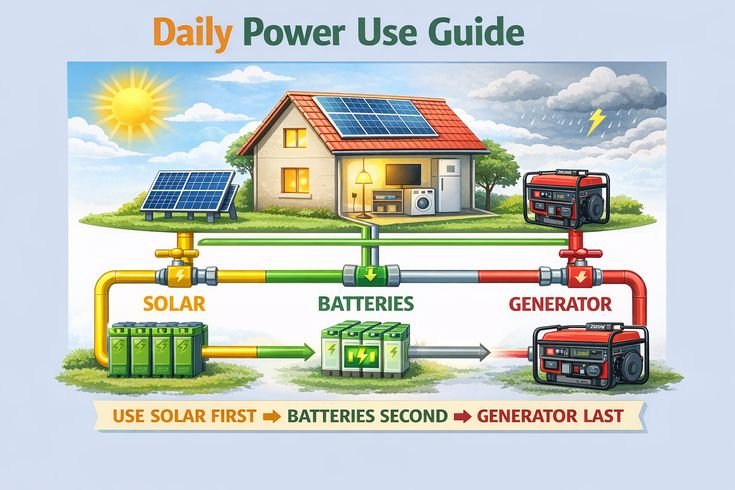
1. Use Less Electricity
Reducing unnecessary electricity use can help lower energy costs.
2. Reduce Water Waste
Using only the water you need can help conserve resources and potentially reduce bills.
3. Buy Less
Avoiding unnecessary purchases is both financially and environmentally beneficial.
4. Repair Instead of Replace
A repair can sometimes extend the useful life of an item.
5. Buy Second-Hand
Second-hand shopping can provide usable products at lower prices.
6. Reuse What You Already Own
Before buying a new container, bag, organizer, or similar item, check whether something you already own can serve the purpose.
7. Reduce Food Waste
Wasted food is wasted money.
Meal planning can help prevent unnecessary food purchases.
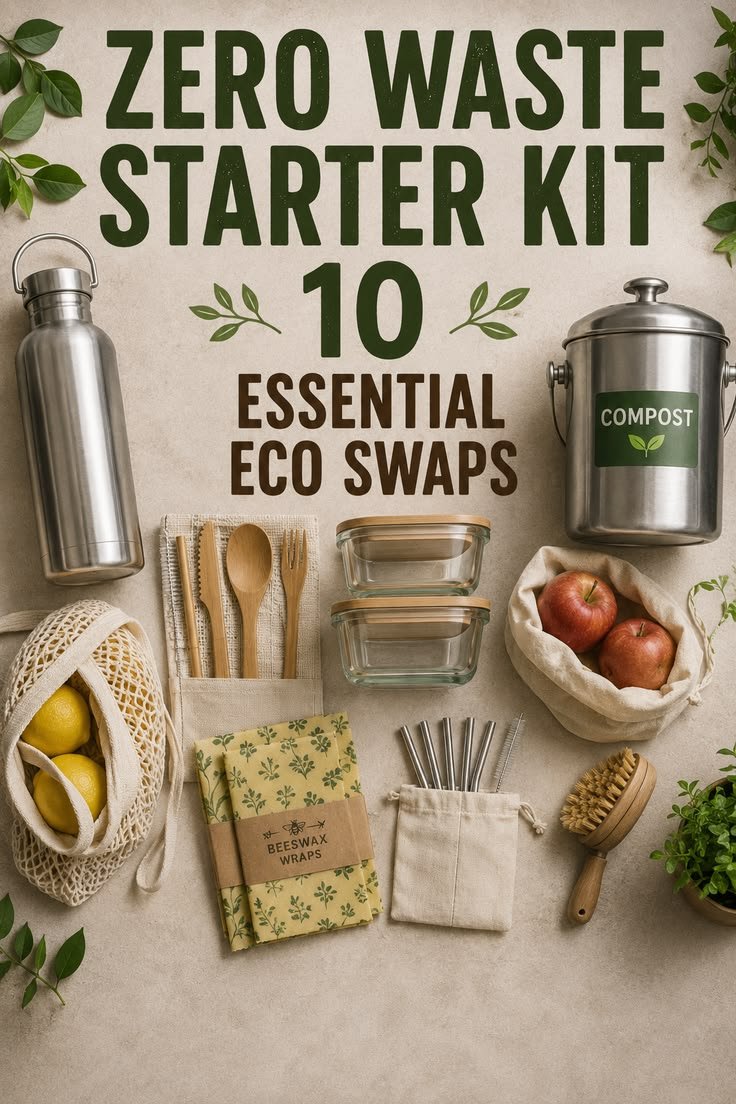
8. Choose Reusable Products
Products that can be reused many times can reduce repeated spending on disposable alternatives.
Important Message
Sustainable living doesn’t always mean buying more “green” products. Sometimes the most sustainable and affordable option is to use what you already have.
CTA
“Try one money-saving eco habit this week and see how much waste—and unnecessary spending—you can avoid.”