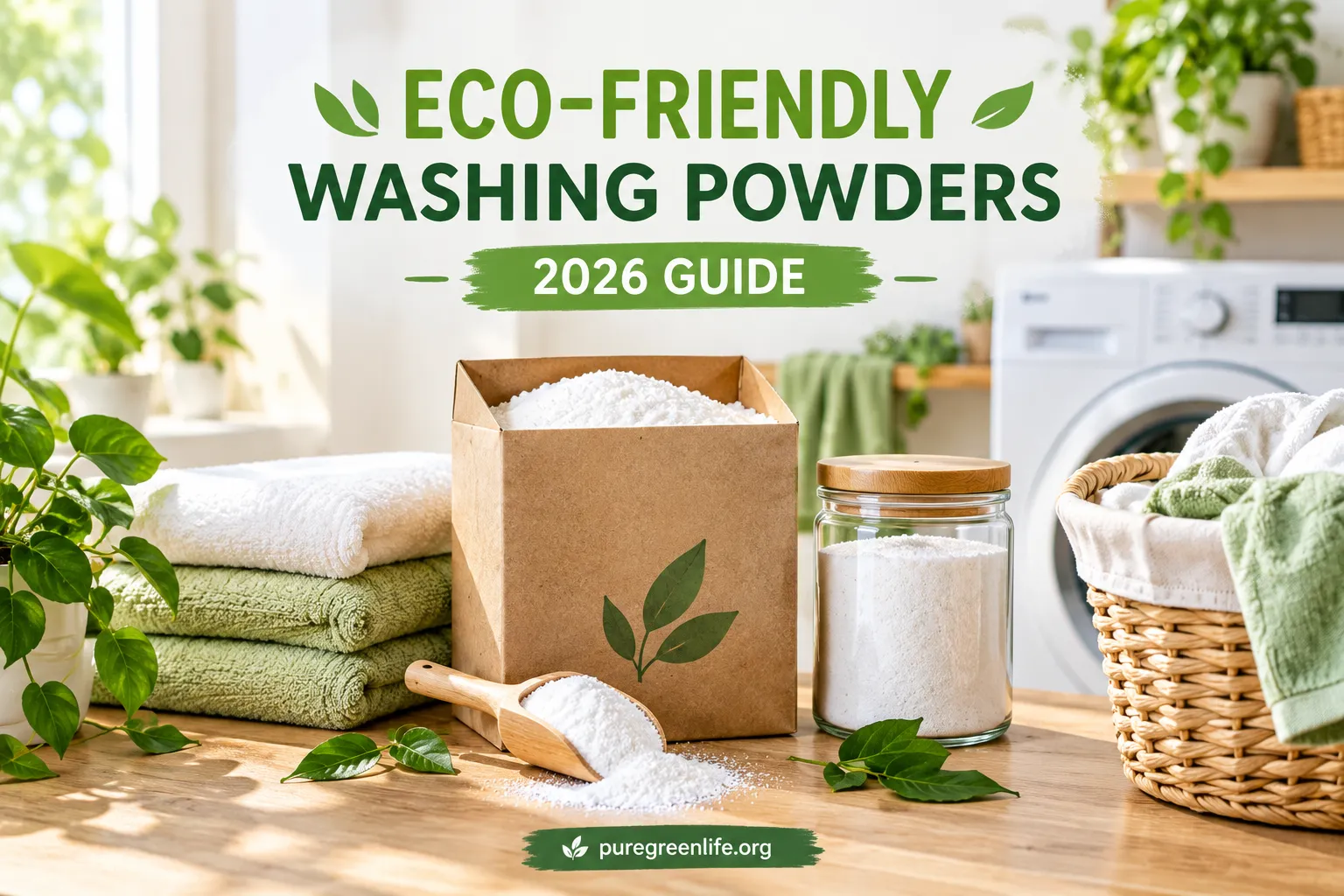
Choosing an eco-friendly washing powder can make everyday laundry more sustainable. However, green labels do not always tell the whole story. Ingredients, packaging, cleaning results, and correct usage all deserve attention. This guide explains how to compare laundry products and avoid misleading claims. It also covers simple habits that can reduce waste at home.
What Is Eco-Friendly Washing Powder?
Eco-friendly washing powder is designed to clean clothes while considering its environmental impact. Some formulas contain biodegradable or plant-derived cleaning ingredients. Others use concentrated formulas or packaging designed to create less waste.
Still, the term “eco-friendly” does not mean a product has no environmental impact. Its ingredients, production, packaging, and disposal all matter. Therefore, shoppers should look beyond green packaging and attractive marketing claims.
What Should You Check Before Buying?
A good laundry product should meet your cleaning needs and provide clear product information. Before buying, compare the ingredients, environmental labels, packaging, and washing instructions. These details can help you choose a product that suits your household.
Biodegradable Ingredients
Biodegradable ingredients can break down through natural processes under suitable conditions. Their breakdown rate and effects on aquatic life can differ. Therefore, a simple biodegradable claim does not explain the full environmental impact.
Look for specific information about the ingredients and the evidence behind environmental claims. Do not assume that every plant-based ingredient breaks down quickly. Plant-derived ingredients can also have different environmental effects.
Clear Ingredient Information
Ingredient information helps shoppers understand what a washing powder contains. It can also help people identify ingredients that cause unwanted skin reactions. Fragrance-free products may be useful for people who prefer to avoid added scents.
Natural ingredients are not automatically safer than synthetic ones. Safety depends on the ingredient, its concentration, and how the product is used. Always read the label and follow the manufacturer’s instructions.
Sustainable Packaging
Laundry packaging can contribute to household waste. Some washing powders come in cardboard boxes, refill packs, or recyclable containers. These options may reduce certain types of packaging waste.
Important: Check whether your local recycling service accepts the packaging material. A container marked recyclable may not be recyclable everywhere. Refill packs can also reduce repeated packaging when they are available and practical.
Trusted Environmental Labels
Environmental labels can help shoppers evaluate product claims. In the United States, the EPA Safer Choice label identifies products that meet the program’s ingredient and product criteria. The program also considers product performance and packaging.
You can learn more through the official EPA Safer Choice guidance. Remember that certification does not mean a product has zero environmental impact. Check the exact product and the standards behind its label.
How to Compare Eco-Friendly Washing Powders
No single washing powder is best for every household. Cleaning results can depend on water hardness, machine type, fabric, and stains. Use these factors to compare products before making a purchase.
| What to compare | What to look for | Why it matters |
|---|---|---|
| Ingredients | Clear ingredient information | Helps you assess product claims |
| Environmental labels | Recognized and verifiable certification | Shows whether defined standards are met |
| Packaging | Recyclable or refillable options | May reduce packaging waste |
| Cleaning performance | Suitable results for your laundry | Can help prevent repeat washes |
| Cost | Price per wash | Makes product value easier to compare |
| Instructions | Correct dosage and machine compatibility | Supports effective cleaning |
Compare the cost per wash instead of judging products by pack price alone. A large box may contain more washes, while a concentrated formula may need less powder. Follow the recommended dosage to avoid unnecessary waste.
Do Eco-Friendly Washing Powders Clean Clothes Well?
Many eco-friendly detergents can handle everyday laundry effectively. Results still depend on the formula, water temperature, stain type, and washing method. Tough stains may need treatment before washing.
Washing with cooler water can reduce energy use in many situations. The suitable temperature depends on the clothes, detergent, and cleaning task. Check garment labels and product instructions before selecting a wash cycle.
Using extra powder does not always improve cleaning. Too much detergent can leave residue on fabrics and may make rinsing harder. Measuring the correct amount helps reduce waste and supports better washing results.
How to Make Your Laundry Routine More Sustainable
Choosing a suitable detergent is only one part of sustainable laundry. Everyday habits can also reduce water use, energy consumption, and product waste.
Measure the Correct Amount
Use the dosage recommended on the packaging. The right amount may depend on load size, dirt level, and water hardness. Excess powder wastes detergent and can leave residue on clothing.
Choose a Suitable Washing Temperature
Lower-temperature washing can use less energy in many cases. Select a temperature that works for the fabric, detergent, and cleaning needs. For items that require special hygiene care, follow the relevant washing instructions.
Wash Full Loads Without Overloading
Washing a suitable full load can be more efficient than running several small loads. However, avoid filling the drum too tightly. Clothes need enough space to move for effective cleaning.
Take Better Care of Clothing
Wash clothes when they need cleaning instead of washing them automatically after every use. Treating stains early may help prevent repeated washes. When practical, air-dry clothes to reduce electricity use from a tumble dryer.
Common Mistakes to Avoid
Some buying habits can make it harder to identify genuinely better laundry products. Keep these common mistakes in mind when comparing washing powders.
- Believing every natural claim: Check the ingredients and supporting evidence.
- Assuming fragrance-free means eco-friendly: Fragrance is only one part of a product’s impact.
- Ignoring packaging: Consider how the container will be reused or disposed of.
- Using too much powder: Follow the recommended dosage.
- Overlooking machine compatibility: Make sure the detergent suits your washing machine.
- Trusting every environmental label equally: Check what each certification actually covers.
Frequently Asked Questions
Is Eco-Friendly Washing Powder Better for the Environment?
It may reduce certain environmental impacts, depending on its ingredients, packaging, and use. No detergent should be assumed to have zero impact.
Is Plant-Based Washing Powder Always Safer?
No. Plant-derived ingredients can still cause irritation or affect the environment. Review the product information and follow its instructions.
Can I Use Washing Powder in a High-Efficiency Machine?
Only use a powder that is labeled as suitable for your machine. An incompatible detergent or incorrect dosage may cause excess suds or poor results.
Does Eco-Friendly Washing Powder Cost More?
Prices vary between products and brands. Compare the cost per wash, recommended dosage, and cleaning performance to understand which product offers better value.
Final Thoughts
Eco-friendly washing powder can support a more sustainable laundry routine when chosen carefully. Look for clear ingredient information, evidence-based environmental claims, and suitable packaging. Use the recommended amount and choose washing settings that suit your laundry.
The product with the strongest green marketing is not always the best choice. Compare the available evidence, cost per wash, and packaging options before buying. Combined with efficient laundry habits, these steps can help reduce avoidable waste while keeping clothes clean.
Add seven clearly numbered buying tipsAdd an actionable eco-powder buying checklist