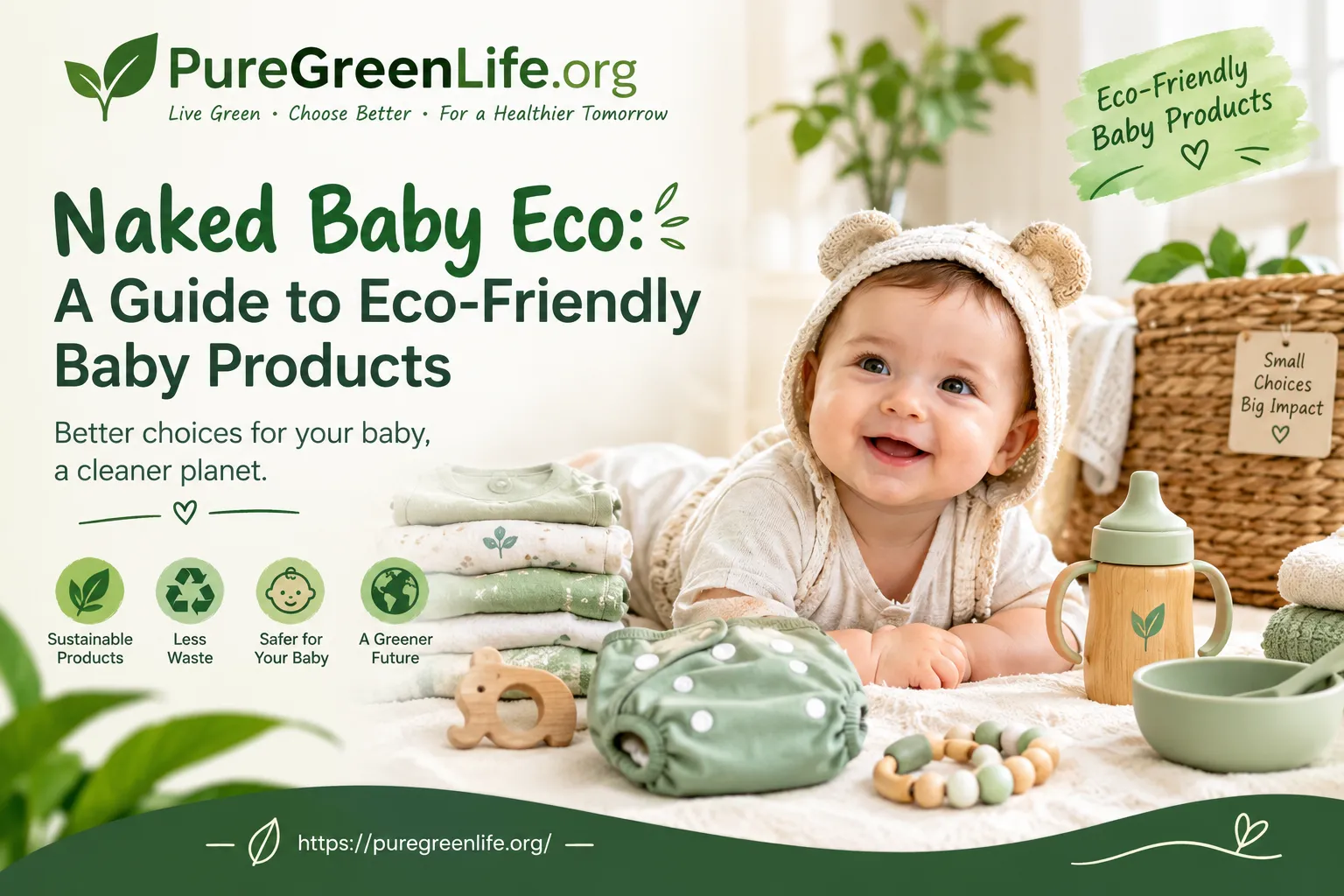
Parents buy many products during a baby’s first few years. These products include clothes, diapers, feeding items, and care products. However, many items create waste after regular use. Eco-friendly baby products offer families a more sustainable option. They can help reduce waste while supporting responsible purchasing choices.
What Is Naked Baby Eco?
Naked Baby Eco refers to choosing more sustainable products for babies. This approach focuses on items that may have a lower environmental impact. For example, parents can choose reusable, durable, and responsibly made baby products. They can also look for items with less unnecessary packaging. Some products use recycled or responsibly sourced materials, while others focus on reusability and longer product life. The main goal is to reduce waste without sacrificing everyday baby care.
However, eco-friendly products do not all use the same materials or methods. Therefore, parents should check each product before buying it. They should review the materials, safety information, and care instructions. In addition, clear labels and reliable certifications can help parents understand a product’s environmental claims. This makes it easier to choose products that suit their family’s needs.
Why Choose Eco-Friendly Baby Products?
Baby products can create waste because families often replace them as babies grow. Disposable diapers are one example because they contain plastic and other materials. Moreover, many disposable products are used only once before being thrown away. Choosing reusable and durable alternatives can reduce the need for frequent replacements. However, the best option depends on the product, its use, and how it is maintained.
Parents should consider the full life cycle of each item before making a decision. This includes the materials, manufacturing process, transportation, cleaning, and disposal. For example, reusable products may reduce waste when families use them regularly. On the other hand, washing and drying reusable items also require water and energy. Therefore, thoughtful choices can help families balance convenience, cost, and environmental impact.
Safer Materials for Babies
Parents often pay close attention to materials used around babies. Clothes, bedding, and other products may touch a baby’s skin every day. For this reason, choosing well-made products with clear material information can make shopping easier. Parents should check product labels and follow the manufacturer’s care instructions. They should also select products designed for their intended use.
Recognized certifications can provide useful information about certain product standards. For example, GOTS and OEKO-TEX offer standards related to textiles and their production or testing requirements. However, a sustainability label does not automatically mean a product is safer for every baby. Therefore, parents should check what each certification covers and review the product’s safety information before buying it.
Less Waste and Pollution
Eco-friendly choices can help reduce unnecessary household waste. Reusable products can replace some disposable items, while durable products may last longer before needing replacement. As a result, families may send fewer used products to landfills. Reducing unnecessary packaging can also help limit the amount of waste created during shopping.
Disposable diapers are one example of this challenge because they contain plastic and other materials. Reusable diapers can reduce waste when families wash and use them repeatedly. However, their overall environmental impact also depends on washing and drying practices. Washing full loads and using line drying when practical can help reduce resource use. Therefore, parents should consider both product choice and daily habits.
Best Eco-Friendly Baby Products
Parents can find sustainable options across many baby product categories. Some products are designed for repeated use, while others use recycled or responsibly sourced materials. The best choice depends on a family’s needs, budget, and daily routine. Fortunately, parents do not need to replace every item at once. Starting with a few useful changes can make sustainable shopping more manageable.
Eco-Friendly Baby Clothing
Baby clothes are often replaced because babies grow quickly. Therefore, durability is an important factor when choosing clothing. Parents can look for well-made garments that remain useful after repeated washing. They can also consider secondhand clothing and hand-me-downs when the items are clean and in good condition.
Some textile certifications provide information about specific environmental or processing standards. For example, GOTS and OEKO-TEX cover different aspects of textile production and testing. Parents should check the details of each certification rather than assuming all labels mean the same thing. Buying only the clothes a baby needs can also reduce unnecessary consumption. In addition, sharing or passing on suitable clothing can extend its useful life.
Sustainable Diapers
Diapers are among the most frequently used products during a baby’s early years. Disposable diapers contain materials such as plastics and wood pulp, and they create waste after use. Reusable cloth diapers offer another option because families can wash and use them many times. As a result, they may reduce the number of disposable diapers thrown away.
However, reusable diapers also require regular washing and drying. Their environmental impact depends partly on how families clean and maintain them. Washing full loads and line drying when possible can help reduce resource use. Parents should also consider the upfront cost, laundry needs, and convenience before choosing a diaper system. This helps them find an option that fits their household.
Natural Baby Care Products
Baby care products include soaps, lotions, wipes, and other daily essentials. Parents should choose products suited to their baby’s age and skin needs. Check the ingredient list and follow the instructions on each label. The word “natural” does not automatically mean a product is safer. The FDA explains that ingredient sources alone do not determine cosmetic safety. <Cite refs={[“turn139227search0″,”turn139227search1”]}/>
For newborns and babies with sensitive skin, fragrance-free products may be a helpful option. Fragrances can cause irritation or allergic reactions in some people. Also, remember that “unscented” does not always mean fragrance-free. Check the full ingredient list before buying. If your baby develops a rash or irritation, stop using the product and consult a healthcare professional. <Cite refs={[“turn139227search3″,”turn139227search4”]}/>.
Reusable Feeding Products
Feeding routines can involve bottles, containers, utensils, and disposable packaging. Reusable feeding products can help reduce repeated waste when families use them regularly. For example, durable bottles and food containers can become useful parts of a baby’s daily routine. They may also reduce the need to buy disposable alternatives.
Parents should choose products designed for repeated use and follow their cleaning instructions carefully. They should also inspect items regularly and replace anything damaged or worn out. In addition, buying durable products that suit the family’s routine can reduce unnecessary replacements. Reusable products work best when they are practical to clean, store, and use every day.
Benefits of Choosing Sustainable Baby Products
Sustainable baby products can offer practical benefits for families. Reusable items may reduce waste, while durable products can remain useful for longer. Some options may also save money over time by reducing repeated purchases. However, the benefits depend on the product and how families use it. Therefore, parents should consider cost, convenience, durability, and care needs before buying.
A reusable item provides the most value when it is used repeatedly. Similarly, a durable product may be a better choice when it lasts longer and meets the family’s needs. Parents can make more informed decisions by comparing product information and considering how long each item will remain useful. This approach supports practical and thoughtful shopping.
Better for the Environment
Reusable products can reduce the demand for some single-use items. They can also lower the amount of waste created when families use them regularly. For example, cloth diapers and washable wipes can replace certain disposable products. In addition, durable clothing and reusable feeding items may remain useful through many uses.
However, the environmental impact varies between products. Manufacturing, transportation, cleaning, and disposal can all affect the overall result. Reusable products may need frequent washing, which uses water and energy. Therefore, parents should consider the full life cycle rather than relying on a product’s marketing claims. Choosing durable items and using them properly can support waste reduction.
Long-Term Savings
Some sustainable baby products cost more at the time of purchase. However, reusable products can reduce the need for repeated purchases over time. Reusable diapers are one example because families can wash and use them again. Durable clothing and feeding products may also remain useful for longer periods.
Still, the total savings depend on several factors. Laundry, maintenance, replacement parts, and the number of times a product is used can affect the final cost. Therefore, parents should compare the initial price with expected long-term expenses. Choosing products that fit the family’s needs can help avoid unnecessary spending.
How to Choose Eco-Friendly Baby Products
Start by choosing products your family actually needs. Avoid buying items only because they carry green marketing claims. Instead, check the materials, packaging, durability, and expected lifespan. Reusable products may be useful for many everyday needs, while suitable secondhand items can extend the life of existing products. However, used baby products should always be checked for damage, cleanliness, and proper condition.
Parents can also make changes gradually. For example, they may start with reusable feeding containers or durable clothing before considering other alternatives. This approach can make sustainable choices easier to manage. In addition, checking care instructions and replacement requirements can help families understand the effort needed to maintain each product.
Check the Materials
Read the product label before making a purchase. Look for clear information about the materials and manufacturing process. Where available, check whether the company provides details about relevant certifications or sustainability standards. Recognized certifications can offer useful information, but parents should understand what each label actually covers.
It is also important to avoid assuming that one material is always better than another. Environmental impact can depend on how a product is made, transported, used, and disposed of. Moreover, durability and repeated use can affect its overall value. Comparing these factors can help parents make more informed choices.
Look for Reusable Options
Reusable baby products can help families reduce waste and repeated purchases. Popular options include cloth diapers, washable wipes, reusable bibs, and durable feeding items. However, the environmental benefits depend on how often families reuse and clean them. A 2021 UNEP life-cycle analysis found that reusable diapers can have a lower environmental impact when families wash full loads and use energy-efficient methods. Source: UNEP report
Before buying, check the product’s durability, washing instructions, and replacement parts. For cloth diapers, follow the manufacturer’s cleaning guidance and avoid fabric softeners. These products may reduce waste, but they still require water, detergent, and energy. Therefore, choose items your family can use regularly and maintain safely.
You do not need to replace everything at once. Start with washable wipes, reusable bibs, or another item you use every day. Compare the upfront cost with the expected number of uses and cleaning needs. This practical approach can help you find reusable products that suit your budget, routine, and household resources.
Final Thoughts on Naked Baby Eco
Naked Baby Eco represents a more sustainable approach to choosing baby products. It focuses on reducing waste and making thoughtful purchasing decisions. Parents can start with simple changes that fit their lifestyle and budget. For example, reusable diapers can reduce disposable waste when used regularly, while durable clothing can remain useful for longer.
Reusable feeding products can also help reduce unnecessary packaging and disposable items. However, parents should check product materials, safety information, durability, and care instructions before buying. They should also consider the resources needed to clean and maintain reusable products. Ultimately, sustainable parenting does not require every purchase to be perfect. Instead, choosing practical products and using them responsibly can help families reduce waste over time.