
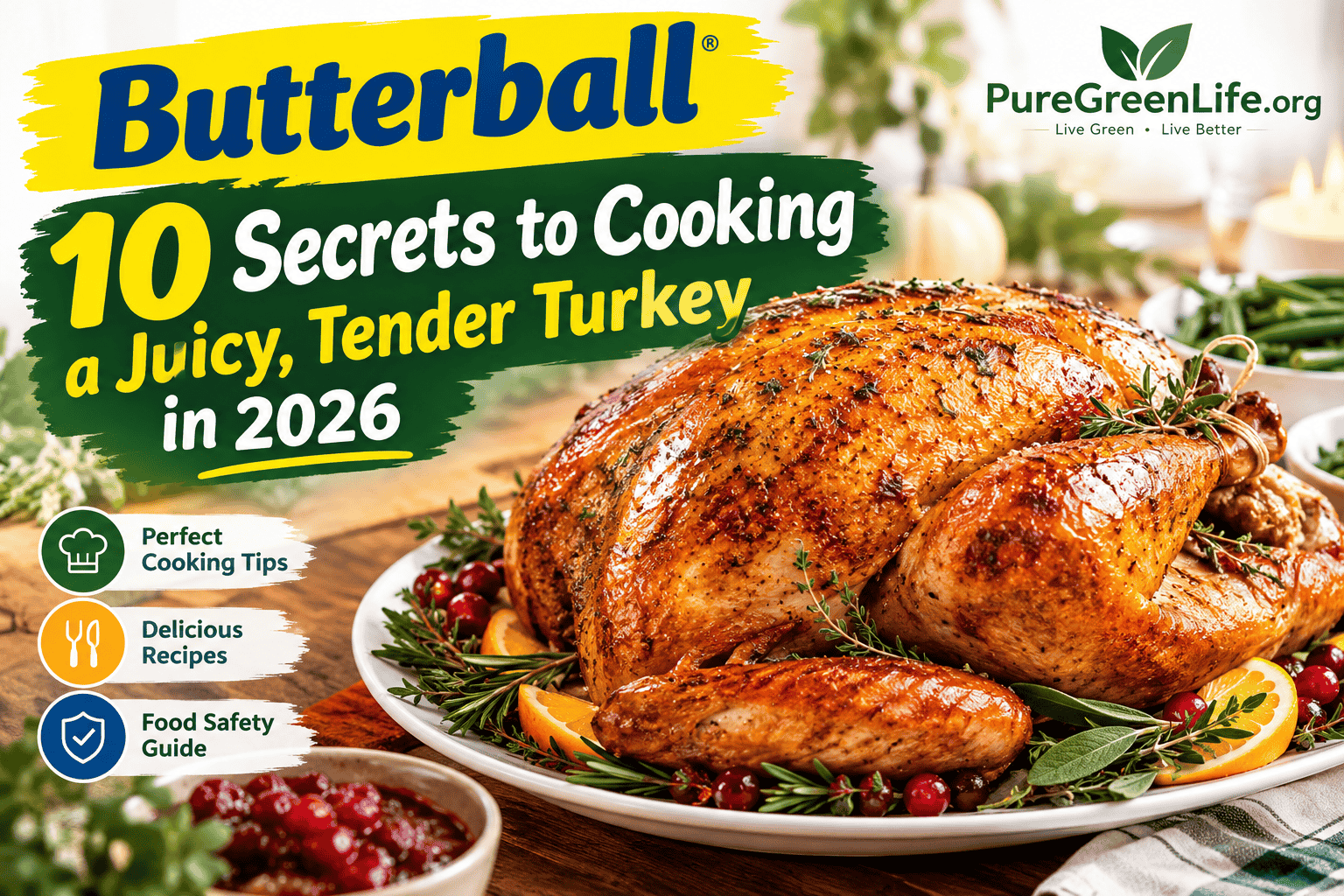
Cooking a turkey can feel challenging, especially when family and friends are waiting for a holiday meal. Fortunately, a few careful steps can help you serve a flavorful, tender Butterball turkey. This guide covers choosing the right size, thawing safely, seasoning, cooking, carving, and storing leftovers. Always follow the instructions on your turkey’s packaging, because preparation can vary by product.
The Importance of Selecting the Right Turkey
Choosing the right turkey helps you plan cooking time, seasoning, and serving portions. Before buying, check the package for the bird’s weight, whether it is fresh or frozen, and any preparation instructions.
Understanding Turkey Varieties
Butterball sells different turkey products, including whole turkeys and other cuts. Other brands, heritage breeds, and organic options may also suit your preferences. Taste, price, availability, and preparation needs can vary. Most importantly, read the label to see whether the turkey contains added solution or is already seasoned.
Choosing the Right Size for Your Gathering
As a practical guide, plan around 1 to 1.5 pounds of whole turkey per person. Choose the higher amount if you want leftovers. A turkey’s weight also affects thawing and cooking time, so check the package before planning your meal.
Preparing Your Turkey for Cooking
Good preparation makes cooking easier and helps reduce food-safety risks. Keep raw turkey separate from ready-to-eat foods, wash your hands after handling it, and clean surfaces and utensils that touch raw poultry.
Thawing Your Turkey Safely
The safest thawing method is in the refrigerator. Allow about 24 hours for every 4 to 5 pounds of turkey, and place it in a tray to catch drips. For faster thawing, keep the turkey in leak-proof packaging and submerge it in cold water. Change the water every 30 minutes and allow about 30 minutes per pound. A turkey thawed in cold water should be cooked immediately. Never thaw turkey on the counter.
Brining: The Key to Moisture
Brining can add flavor and may help turkey retain moisture, but it is optional. Before using a saltwater brine, check the label: some Butterball turkeys already contain a salt solution or are prepared to stay moist. Brining those products may make them too salty. If brining is suitable, keep the turkey refrigerated throughout the process, use a food-safe container, and follow a trusted recipe. Do not reuse raw brine.
Essential Cooking Techniques for Juiciness
Even cooking and accurate temperature checks matter more than guesswork. Use a roasting pan that fits the turkey and avoid relying on color or cooking time alone to decide when it is done.
Temperature Control: The Secret to Tender Meat
For a traditional roast, an oven temperature of 325°F (163°C) is a common starting point. Cooking time depends on the turkey’s size, whether it is stuffed, and the oven itself. Use the package directions as a guide, but confirm doneness with a food thermometer. Avoid repeatedly opening the oven, since heat escapes and cooking may take longer.
Using a Meat Thermometer
A food thermometer is the most reliable way to check doneness. Insert it into the thickest part of the breast and the innermost part of the thigh and wing, avoiding bone. The turkey must reach at least 165°F (74°C) in all these areas. If the turkey is stuffed, the center of the stuffing must also reach 165°F (74°C). Do not depend on clear juices or meat color alone.
The Role of Seasoning and Marinades
Seasoning helps bring out the turkey’s flavor, but the best blend depends on your preferences. Check the label first, especially if the turkey has added salt or seasoning already.
Herbs and Spices: Finding the Perfect Blend
Rosemary, thyme, black pepper, garlic, paprika, and citrus zest can complement turkey. Mix your chosen seasonings with a little oil or softened butter, then spread them over the skin. If you loosen the breast skin to add seasoning underneath, do so gently to avoid tearing it. Use less salt if the turkey is already salted.
Homemade vs. Store-Bought Marinades
Homemade marinades let you control the ingredients, while store-bought options can save time. Either can work if the flavor suits your meal. Keep the turkey refrigerated while marinating, and never use marinade that touched raw turkey as a finishing sauce unless you first bring it to a full boil. You can also reserve a separate portion before it touches raw poultry.
Cooking Methods: Oven, Fryer, and Beyond
Different methods create different textures and flavors. Choose a method that matches your equipment and experience, and always use a thermometer to check the final temperature.
Traditional Roasting Techniques
Preheat the oven to 325°F (163°C), unless the product instructions say otherwise. Place the turkey in a roasting pan and season it as desired. Estimate cooking time using the package guidance, then start checking the temperature before you expect it to finish. Cooking times are only estimates, so allow extra time if needed. Let the cooked turkey rest before carving.
Frying for a Crispier Skin
Deep-frying can produce crisp skin, but hot oil can cause severe burns or fires if handled incorrectly. Important safety update: only fry a completely thawed and thoroughly dried turkey outdoors, on a stable, level surface, well away from buildings and anything flammable. Never fry a frozen or wet turkey. Use a fryer designed for turkey, follow its instructions for oil level, and never leave it unattended. Do not use a turkey fryer indoors, in a garage, or on a wooden deck.
Alternative Methods: Smoking and Spatchcocking
Smoking can add a rich flavor, while spatchcocking means removing the backbone and flattening the turkey for more even cooking. For smoking, follow a reliable recipe and monitor both the smoker temperature and the turkey’s internal temperature. Cooking time can vary, so do not rely on a set number of hours alone. If you spatchcock the bird, use sturdy kitchen shears or ask a butcher to prepare it.
Mastering the Art of Basting
Basting adds flavor to the skin, but it does not guarantee moist meat. Opening the oven often releases heat and can extend cooking time. For juicy results, focus on avoiding overcooking and checking the internal temperature.
When and How to Baste
If you choose to baste, do it quickly and carefully with a clean baster or spoon. Use the pan juices, and avoid splashing hot fat. Frequent basting is not necessary; keeping the oven closed helps maintain a steady temperature. Always wash utensils that contact undercooked poultry juices before using them again.
Choosing the Right Basting Liquid
Melted butter, unsalted stock, or herb-infused oil can add flavor. Choose a liquid that complements your seasoning, and remember that salty stock can make the turkey too salty. Add only a little at a time, and handle the hot roasting pan carefully.
Resting and Carving Your Turkey
Resting and carving properly help make serving easier and keep the meat appealing. Once the turkey is cooked, transfer it carefully to a clean cutting board and allow it to rest before slicing.
The Importance of Resting Time
Let the turkey rest for about 20 to 30 minutes before carving. This gives the juices time to settle and makes the bird easier to handle. Keep food safety in mind: do not leave cooked turkey at room temperature for more than two hours, or one hour if the temperature is above 90°F (32°C).
Carving Techniques for Presentation
Use a sharp carving knife and a stable cutting board. Remove the legs and thighs first, then slice the breast meat against the grain. Keep your free hand away from the blade and cut slowly. Arrange the slices on a clean platter, and serve while the turkey is warm.
Tips for Leftover Turkey Delights
Leftover turkey can be used in sandwiches, soups, salads, casseroles, and tacos. Handle leftovers promptly to keep them safe and tasty.
Storing Leftovers Properly
Refrigerate leftover turkey within two hours of cooking. Store it in shallow, covered containers and use it within 3 to 4 days. Freeze portions you will not eat soon; for best quality, use frozen leftovers within a few months. Reheat leftovers to 165°F (74°C), and thaw frozen portions in the refrigerator or by using a safe quick-thaw method.
Creative Recipes for Leftover Turkey
Add sliced turkey to sandwiches, or mix shredded meat into soup, tacos, casseroles, or stir-fries. You can also combine it with vegetables and a simple dressing for a salad. Refrigerate any new dish promptly, and reheat leftovers thoroughly before serving.
Conclusion
A juicy Butterball turkey starts with safe thawing, suitable seasoning, and careful temperature control. Choose a cooking method that fits your equipment, and use a food thermometer rather than relying on appearance. Finally, rest the turkey, carve it carefully, and store leftovers promptly. These steps can help you serve a flavorful turkey with more confidence.
FAQ
What is the best way to thaw a frozen turkey?
Thaw it in the refrigerator, allowing about 24 hours for every 4 to 5 pounds. Alternatively, keep it sealed in leak-proof packaging and submerge it in cold water, changing the water every 30 minutes. Allow about 30 minutes per pound and cook it immediately after cold-water thawing.
How can I tell when my turkey is fully cooked?
Use a food thermometer. Check the thickest part of the breast and the innermost part of the thigh and wing, avoiding bone. Each area must reach at least 165°F (74°C). If the turkey is stuffed, the stuffing must also reach 165°F (74°C).
Is brining necessary for a juicy turkey?
No. Brining is optional and can add flavor, but some Butterball products already contain a salt solution. Check the label first to avoid making the turkey too salty. Always keep the turkey refrigerated during brining.
What are some creative ways to use leftover turkey?
Try turkey sandwiches, soup, salads, casseroles, tacos, or stir-fries. Refrigerate leftovers within two hours, use refrigerated turkey within 3 to 4 days, and reheat it to 165°F (74°C).