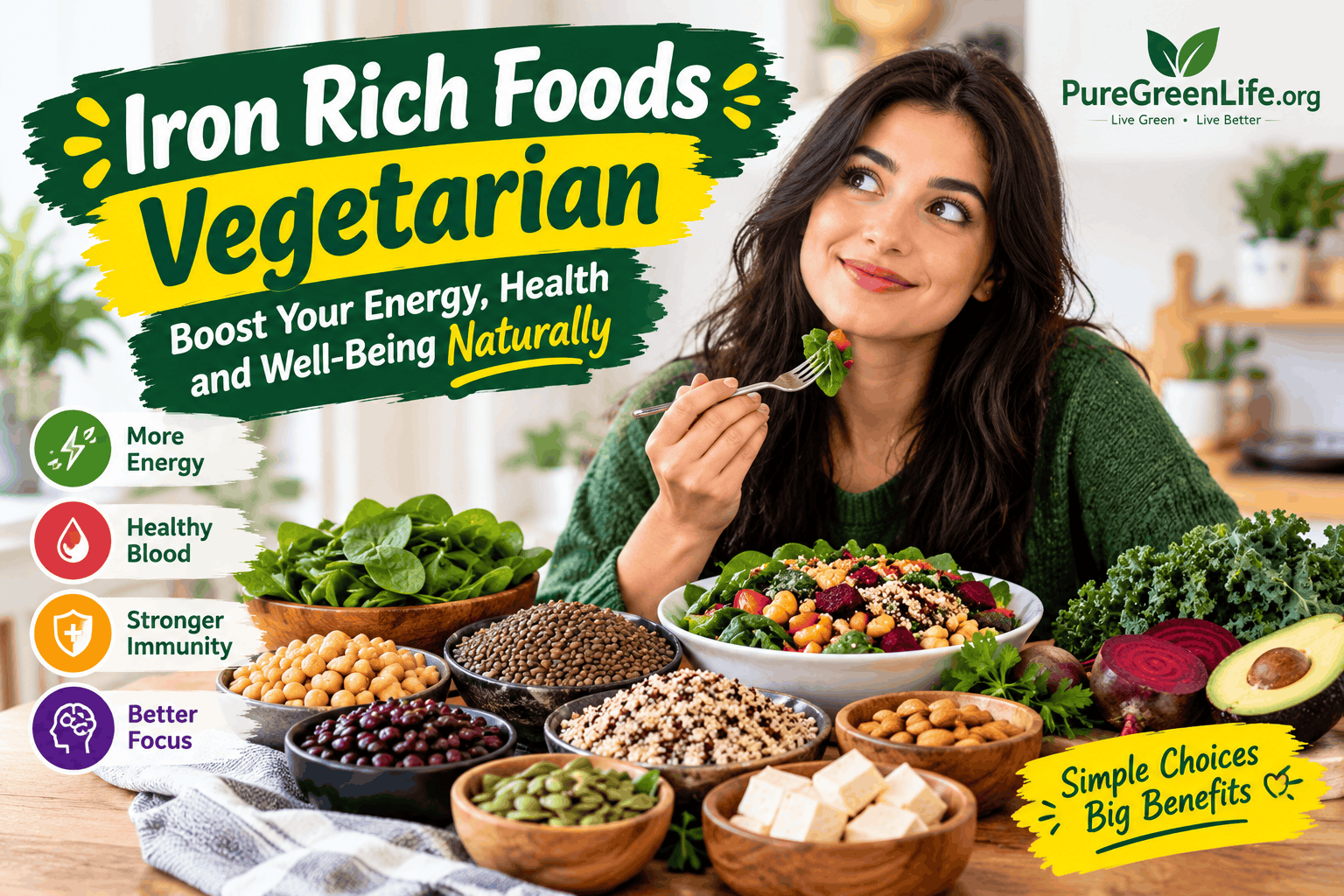
A vegetarian diet can provide plenty of iron when meals include a variety of iron-rich foods. Iron helps your body make hemoglobin, a protein in red blood cells that carries oxygen. However, plant foods contain non-heme iron, which the body generally absorbs less easily than heme iron from animal foods. This guide covers useful vegetarian sources, ways to improve absorption, meal ideas, and signs that may need medical attention. [ADDED] Food iron amounts vary by brand, variety, serving size, and preparation, so check product labels when available.
Understanding Iron and Its Importance for Energy Levels
Iron supports oxygen transport and helps the body function normally. Low iron can contribute to tiredness and weakness, but these symptoms can have many causes. A balanced diet matters, and suspected deficiency should be checked by a healthcare professional.
Types of Iron: Heme vs. Non-Heme
Heme iron is found in animal foods, while non-heme iron occurs in plant foods and many fortified products. The body generally absorbs heme iron more readily. Still, vegetarians can get iron from beans, lentils, tofu, seeds, whole grains, vegetables, and fortified foods. Pairing these sources with vitamin C can improve non-heme iron absorption.
The Role of Iron in Energy Metabolism
Iron is part of hemoglobin, which carries oxygen from the lungs to tissues. It also supports several processes involved in normal energy production. When iron levels are low, a person may feel tired, weak, dizzy, or short of breath. These symptoms do not prove iron deficiency, so testing may be needed.
The Challenges of Getting Enough Iron on a Vegetarian Diet
Plant-based iron can support healthy intake, but it takes planning to include a variety of sources. Some people have higher iron needs, including people who menstruate, pregnant people, and some growing children. Anyone concerned about their intake should seek advice suited to their needs.
Common Deficiencies in Vegetarian Diets
Vegetarians do not automatically have an iron deficiency. Risk can rise when meals lack iron-rich foods or when the body loses or needs more iron than usual. Persistent fatigue, weakness, dizziness, or unusual cravings should be discussed with a healthcare professional rather than treated through diet changes alone.
Factors Affecting Iron Absorption
Vitamin C can help the body absorb non-heme iron. In contrast, compounds called phytates in some grains and legumes can reduce absorption, while tea and coffee taken with meals may also lower it. Calcium can affect iron absorption in some circumstances, but calcium-rich foods remain important for health. [ADDED] You usually do not need to avoid these foods; instead, include vitamin C with meals and ask a clinician or dietitian about timing if you take iron supplements.
Top 15 Iron-Rich Vegetarian Foods
These foods can help increase iron intake as part of a varied diet. Exact amounts depend on serving size and preparation, and fortified products differ by brand.
1. Lentils
Lentils provide iron, protein, and fiber. Add cooked lentils to soups, curries, salads, or stews. Tomatoes or bell peppers can supply vitamin C alongside them.
2. Chickpeas
Chickpeas contain iron and are easy to use in many meals. Add them to salads, roast them for a crunchy snack, or blend them into hummus with lemon juice.
3. Beans
Kidney beans, black beans, and white beans contribute iron, fiber, and plant protein. Use them in chili, burritos, soups, and grain bowls.
4. Tofu
Tofu can be a useful iron source, although the amount varies by type and brand. Add it to stir-fries, curries, or salads, and check the nutrition label when available.
5. Quinoa
Quinoa supplies some iron along with protein and fiber. Serve it as a side dish or use it as a base for a bowl with beans and vegetables.
6. Oats
Oats provide some iron and make an easy breakfast. Top them with pumpkin seeds, dried apricots, or fruit rich in vitamin C.
7. Pumpkin Seeds
Pumpkin seeds are a convenient source of iron and other nutrients. Sprinkle them over oatmeal or salads, or enjoy a small handful as a snack.
8. Almonds
Almonds contain some iron, as well as healthy fats and protein. They are best treated as one part of a varied diet rather than the only iron source.
9. Spinach
Cooked spinach contains iron, although it also has compounds that can limit how much the body absorbs. Add it to soups, curries, or omelets made with vegetarian ingredients, and pair it with tomatoes or peppers.
10. Kale and Other Leafy Greens
Kale and other greens contribute nutrients and some iron. Mix them into soups, stir-fries, or salads with a vitamin C-rich dressing.
11. Dried Apricots
Dried apricots offer some iron and can be a handy snack. Add them to oatmeal or trail mix, while keeping portion sizes in mind because dried fruit is concentrated in natural sugars.
12. Raisins
Raisins provide a modest amount of iron and are easy to add to cereal, porridge, or salads. Pair them with other iron-rich foods for a more substantial contribution.
13. Iron-Fortified Breakfast Cereal
Some breakfast cereals contain added iron, sometimes in meaningful amounts. Check the nutrition label because the amount differs widely by product. Pair cereal with fruit such as oranges or strawberries.
14. Potatoes
Potatoes provide some iron and can form part of a balanced meal. Eat them baked, boiled, or roasted, and add beans or lentils to increase the meal’s iron content.
15. Mushrooms and Dark Chocolate
Some mushrooms contain iron, but amounts vary by type. Dark chocolate also contributes iron, yet it can contain substantial calories and may include added sugar. Enjoy these foods as part of a varied diet, not as a treatment for deficiency.
[ADDED] Other options include iron-fortified plant drinks and certain seeds. Check the label, since not every plant milk is fortified with iron.
Cooking Tips to Enhance Iron Absorption
Simple meal combinations can help your body use more of the iron found in plant foods. Focus on variety rather than relying on one “superfood.”
Combining Foods for Better Iron Uptake
Pair iron-rich foods with vitamin C sources such as citrus fruit, kiwi, tomatoes, broccoli, or bell peppers. For example, add lemon juice to chickpea salad or serve lentil curry with tomatoes. Vitamin C helps improve absorption of non-heme iron.
Cooking Techniques and Iron Content
Cooking can change the weight and nutrient concentration of foods because water is lost or absorbed. It does not reliably make iron more absorbable just by preventing overcooking. Cook vegetables to a texture you enjoy, and use methods such as soaking, sprouting, or fermenting legumes and grains when suitable; these methods can reduce some phytates. [CORRECTED] The key strategy is to combine iron sources with vitamin C, not to rely on lightly cooking vegetables to preserve iron.
Complementary Nutrients for Optimal Iron Utilization
Iron is important, but overall health depends on a varied diet. Include sources of protein, healthy fats, fiber, and other vitamins and minerals.
The Role of Vitamin C in Iron Absorption
Vitamin C helps the body absorb non-heme iron from plant foods. Try citrus fruit, berries, kiwi, tomatoes, or bell peppers with meals containing beans, lentils, tofu, or greens. For example, squeeze lemon over chickpeas or add tomatoes to lentil curry.
Importance of Other Vitamins and Minerals
A balanced vegetarian diet should also provide vitamin B12, folate, vitamin A, zinc, and copper. These nutrients have different roles in the body; they do not all directly increase iron absorption. Vitamin B12 needs special attention in vegan diets because reliable sources are usually fortified foods or supplements. [ADDED] Do not take high-dose iron or other supplements without professional advice, because too much iron can be harmful.
Meal Planning for Iron-Rich Vegetarian Diets
Planning meals ahead makes it easier to include iron sources regularly. Combine legumes, whole grains, seeds, vegetables, and fruit across the day.
Sample Meal Ideas for the Day
For breakfast, choose iron-fortified cereal or oats topped with pumpkin seeds and fruit. At lunch, try chickpea salad with red bell peppers and lemon dressing. For dinner, serve lentil curry with quinoa and tomatoes. As a snack, have dried apricots or a small handful of nuts. These are examples, not a personalised meal plan.
Balancing Iron Intake with Overall Nutritional Needs
Do not focus on iron alone. Include a variety of foods to help meet your needs for protein, calcium, vitamin B12, and other nutrients. People with specific health needs, pregnancy, heavy menstrual bleeding, or a history of low iron may benefit from tailored advice from a healthcare professional or registered dietitian.
Common Myths About Iron and Vegetarianism
A well-planned vegetarian diet can provide iron, but absorption and individual needs vary. The best approach is to choose varied sources and seek testing if symptoms or risk factors suggest a problem.
Myth 1: Vegetarians Can’t Get Enough Iron
Vegetarians can get iron from lentils, beans, tofu, seeds, whole grains, greens, and fortified foods. However, meeting individual needs may take planning, and some people may need medical assessment or treatment.
Myth 2: Plant-Based Iron Is Not Useful
Plant-based non-heme iron is useful and contributes to dietary intake. The body generally absorbs it less efficiently than heme iron, but vitamin C and varied meal planning can help improve absorption. A person with confirmed iron deficiency may need more than food changes alone.
Monitoring Iron Levels: When to Seek Professional Advice
Diet can support iron intake, but it cannot diagnose or reliably treat every cause of low iron. Seek medical advice if symptoms persist or you have concerns about deficiency.
Signs of Iron Deficiency
Possible signs include unusual tiredness, weakness, pale skin, dizziness, headaches, shortness of breath, or cravings for non-food items such as ice. These symptoms can have other causes, too. A healthcare professional can advise whether blood tests are appropriate.
When to Consult a Healthcare Provider
Talk with a healthcare professional if you have symptoms, heavy menstrual bleeding, are pregnant, or have been told your iron levels are low. They may recommend blood tests and, if needed, a suitable treatment plan. Do not start iron supplements or take high doses without guidance, since excess iron can be dangerous.
Conclusion
Iron-rich vegetarian foods include lentils, beans, tofu, seeds, leafy greens, whole grains, dried fruit, and fortified cereals. Pair these foods with vitamin C sources to help improve iron absorption. A varied diet supports overall nutrition, but ongoing symptoms should be assessed by a healthcare professional. With thoughtful meal planning, vegetarian meals can contribute to healthy iron intake.
Frequently Asked Questions
1. What are the best sources of iron for vegetarians?
Useful choices include lentils, chickpeas, beans, tofu, pumpkin seeds, oats, quinoa, leafy greens, dried apricots, and iron-fortified cereals. The amount of iron varies by food and serving size.
2. How can I improve iron absorption from plant-based foods?
Pair plant-based iron sources with vitamin C-rich foods such as citrus fruit, tomatoes, kiwi, or bell peppers. Tea and coffee with meals can reduce absorption for some people, so consider having them between meals if iron intake is a concern.
3. Can I get enough iron on a vegetarian diet?
Yes, many people can meet their iron needs through a varied, well-planned vegetarian diet. Individual requirements differ, and people with symptoms or increased needs should consult a healthcare professional.
4. What are the symptoms of iron deficiency?
Symptoms may include fatigue, weakness, pale skin, dizziness, headaches, or shortness of breath. These symptoms are not specific to iron deficiency, so consult a healthcare professional for proper assessment.