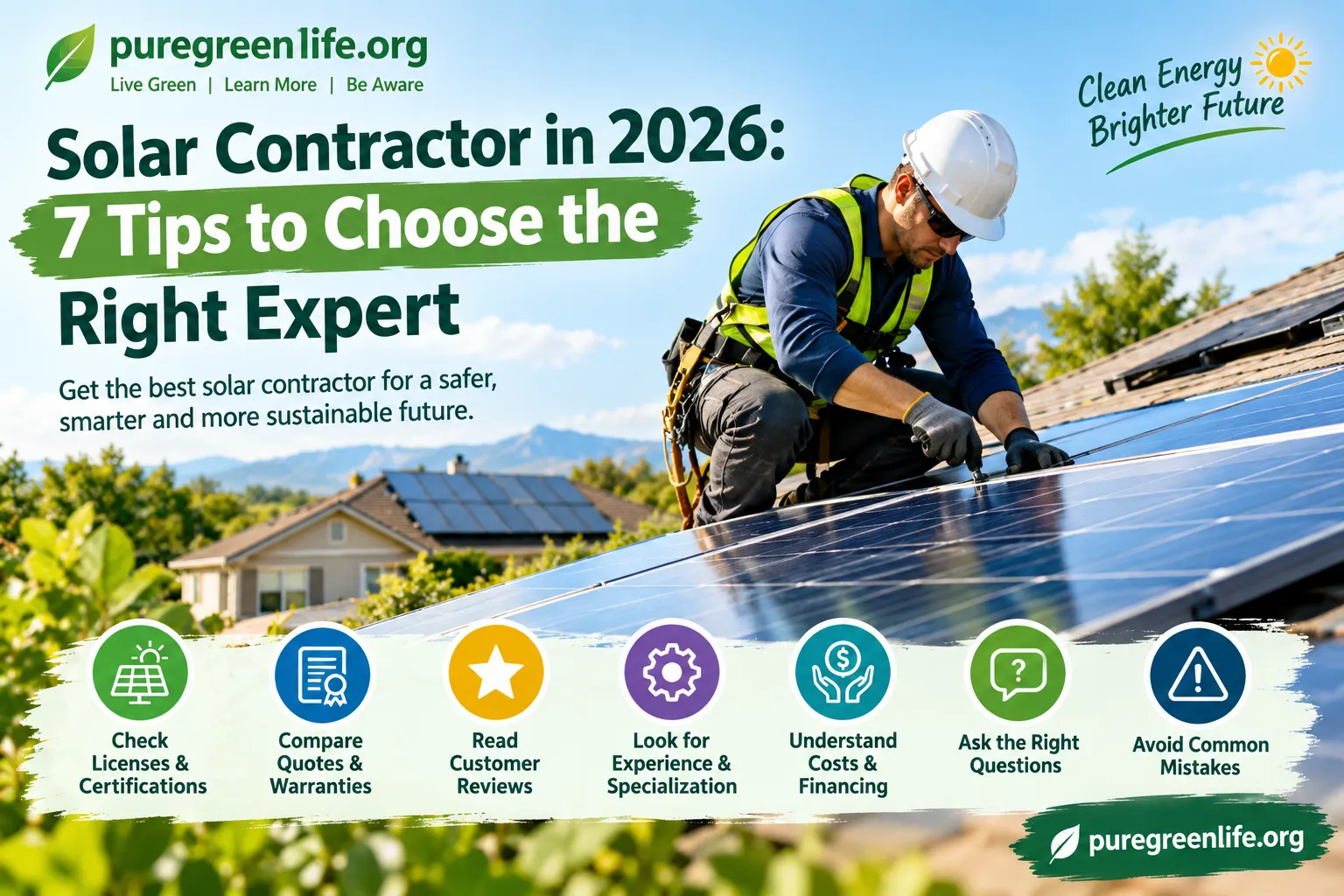
Solar Contractor in 2026: 7 Tips to Choose the Right Expert
Choosing a solar contractor is an important step toward using solar power at home or work. The right professional can design a system that fits your roof, electricity use, and budget. Poor planning, on the other hand, may cause delays, extra costs, or lower energy production. Use these seven tips to compare contractors carefully before signing an agreement.
Understand the Solar Options Available
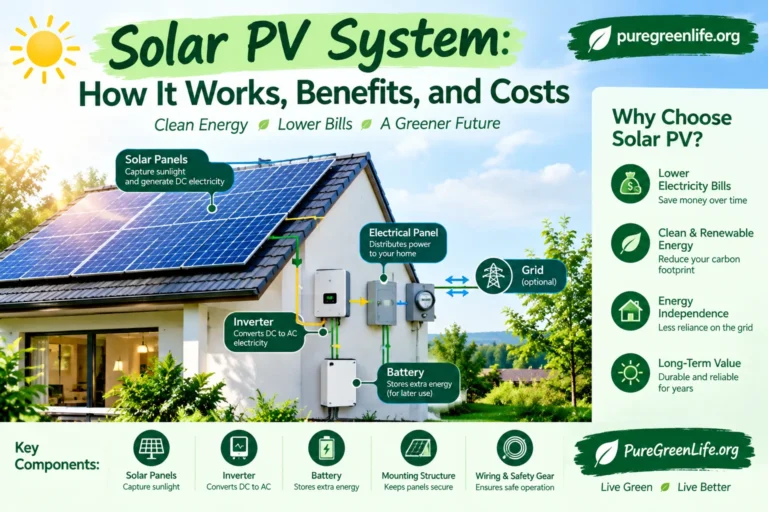
Solar systems use panels, inverters, monitoring tools, and sometimes batteries. Bifacial panels collect light from both sides, but their value depends on site conditions. Ask contractors to explain the benefits, costs, and limits of each option.
Check Your Roof and Energy Needs
Your proposal should consider electricity use, roof direction, shading, roof condition, and local sunlight. Ask for expected energy production and the assumptions behind it. Repair a damaged roof before installation where possible, to avoid later removal costs. The U.S. Department of Energy also recommends checking roof condition and comparing installers. Source
Confirm Permits and Grid Rules
Solar projects may need building permits, electrical inspections, and approval from the electricity provider. Rules differ by location, so do not assume a rebate or grid connection arrangement applies to you. Ask the contractor which approvals are included in the quote, who will arrange them, and whether extra fees may arise. In addition, check current requirements with your local authority and utility before making a final decision.
Verify Qualifications and Insurance
A professional contractor should hold the licences required for solar and electrical work in your area. Ask for the licence number and verify it with the official issuing body when possible. Some regions also have recognized solar certifications. For example, NABCEP offers professional credentials in the United States, but other countries may use different systems. Certification can support a contractor’s credibility, yet it does not replace local licensing or insurance checks. Source
Ask for proof of relevant insurance and find out whether subcontractors will be used. Confirm who supervises their work and request documents when needed.
Match Experience to Your Project
Years in business can help, but relevant experience matters more. Ask about similar projects, request customer references, and review photos of completed installations.
Also ask how the company handles roof shading, electrical upgrades, delays, and unexpected site problems. These answers can reveal whether the team plans carefully or simply promises quick results. In short, choose experience that matches your building and energy needs.
Read Reviews and Check Reputation
Read reviews across independent platforms, local directories, and relevant community groups. Do not rely only on testimonials published on the contractor’s own website. Instead, look for repeated patterns in comments about workmanship, communication, delays, extra charges, and after-sales service.
One negative review may not tell the whole story. However, repeated complaints about unfinished work or ignored warranty requests deserve attention. Ask for references and assess how the company responds to concerns.
Compare Quotes and Financing Carefully
When possible, request at least three written quotes. Each quote should describe the system size, panel and inverter models, mounting equipment, labour, permits, electrical work, monitoring, and optional batteries. It should also state the expected energy production and project timeline. This makes it easier to compare similar systems fairly.
Look Beyond the Lowest Price
A cheaper quote may exclude roof repairs, permits, grid connection, or other necessary work. Ask contractors to list possible extra costs and explain the payment schedule. Compare equipment quality, warranty coverage, system capacity, and expected output—not just the final price. The Federal Trade Commission recommends comparing detailed bids and checking equipment, installation, and contract terms. Source
Understand Loans, Leases, and Incentives
Payment options may include cash, loans, leases, or power purchase agreements. They differ in ownership, fees, and long-term costs. Check interest, payment increases, cancellation rules, and property-sale conditions. Verify incentives through official sources because eligibility varies.
Review Warranties and After-Sales Support
Contracts may include product, performance, and workmanship warranties. These cover different issues, so check the duration, exclusions, and claim process for each.
Ask who handles claims and whether labour, transport, roof leaks, or panel removal are covered. Confirm whom to contact if the installer closes. Learn how to read monitoring tools and report faults; cleaning needs depend on local conditions and manufacturer guidance.
Watch for Warning Signs
Avoid pressure to sign immediately or promises of guaranteed savings without a property assessment. Savings depend on system output, electricity rates, weather, and local rules for exporting power.
Other warning signs include vague contracts, unclear equipment models, missing documents, and refusal to provide references. Review payment milestones and keep copies of the quote, contract, permits, and warranties.
Final Checklist Before Hiring
Before choosing a contractor, confirm that you have:
- Verified required licences, certifications, and insurance.
- Compared at least three detailed quotes when possible.
- Checked references and independent customer reviews.
- Confirmed roof condition and expected system output.
- Clarified permits, inspections, and utility approval.
- Read equipment, performance, and workmanship warranties.
- Reviewed financing terms, fees, and cancellation conditions.
- Received a written schedule and after-sales contact details.
This checklist helps you compare offers on clear, practical points rather than sales claims.
Frequently Asked Questions
What qualifications should a solar contractor have?
They should meet local licensing rules, have relevant installation experience, and carry appropriate insurance. Verify credentials with the issuing body rather than relying on a salesperson’s statement.
How many quotes should I compare?
Three written quotes are a useful target when available. Make sure they cover similar system sizes, equipment, labour, permits, warranties, and estimated production.
Are solar warranties important?
Yes. Equipment and workmanship warranties cover different risks. Ask who handles claims, what costs are included, and whether coverage transfers if you sell the property.
How can I spot a poor contractor?
Watch for high-pressure sales, unclear pricing, unrealistic savings promises, missing documents, and repeated customer complaints. Pause if the company refuses to answer reasonable questions.
Conclusion
The best solar contractor is not always the cheapest or the one promising the fastest installation. Compare qualifications, relevant experience, written quotes, warranties, and support before deciding. Also verify local permits and incentives independently. With careful research and a clear contract, you can choose a solar system that better matches your property, budget, and long-term energy goals.
Sources for Further Checking
- U.S. Department of Energy: Choosing a Solar Installer
- Federal Trade Commission: Solar Power for Your Home
- NABCEP: PV Consumer Guide