Living in an apartment does not mean you cannot benefit from solar powe
r. A portable solar generator can provide backup electricity without fuel or noisy engines. It can help power essential devices during unexpected outages.
However, apartment balconies have limited space and sunlight. Choosing the right system requires careful planning. You need to consider battery capacity, solar panel size, weight, and safety.
This guide explains how to choose the best solar generator for apartment balconies. You will also learn which features matter and how to set up a compact system safely.
What Is a Solar Generator for an Apartment Balcony?
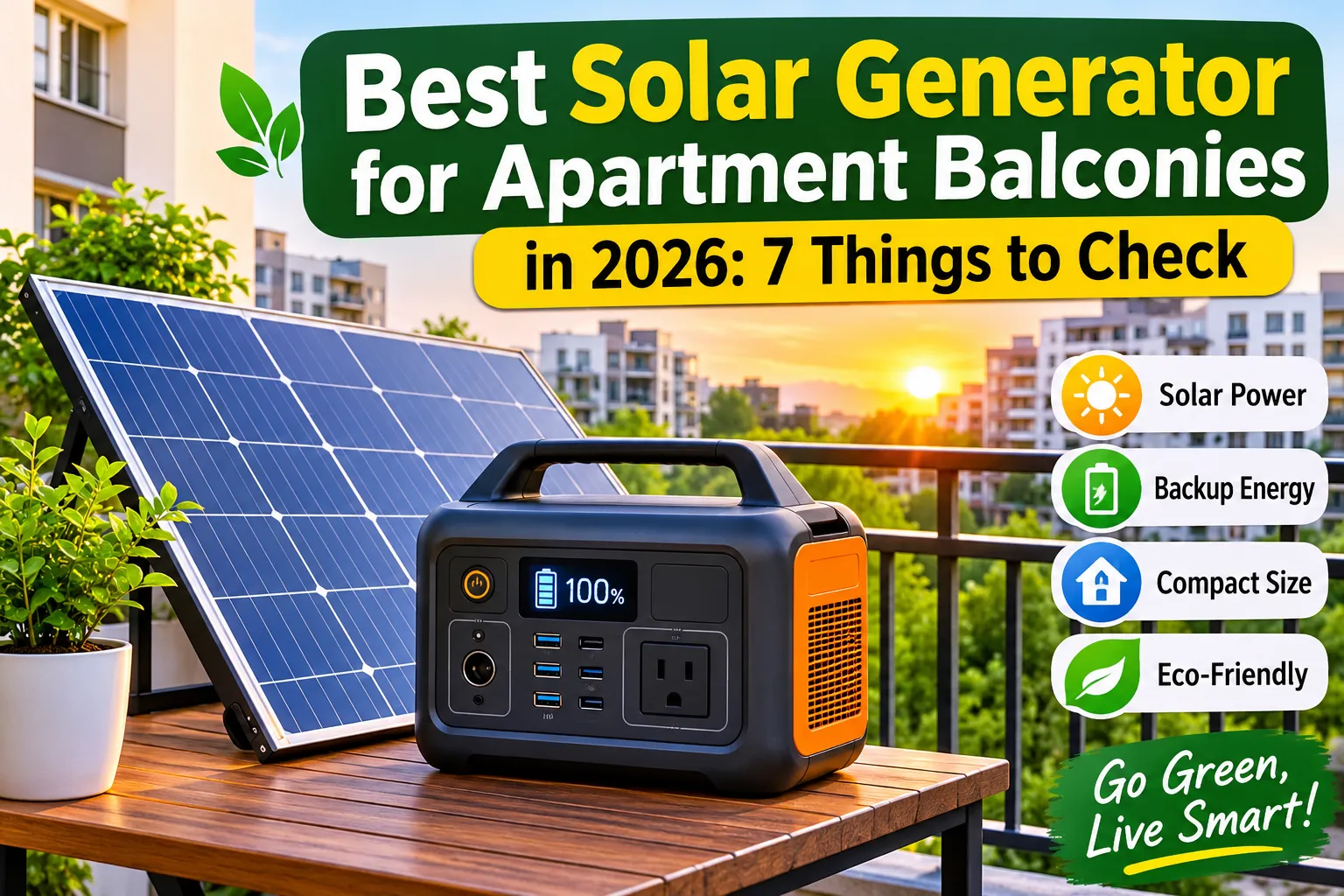
A solar generator usually combines a portable power station with solar panels. The panels collect sunlight and convert it into electricity. The power station stores that energy in its rechargeable battery.
You can use this stored electricity to charge phones, run lights, and power other compatible devices. Most portable power stations include USB ports and AC outlets. Many models can also charge through a regular wall socket.
For apartment residents, this setup offers portable backup power without requiring rooftop solar installation. It can be particularly useful for renters and people with limited outdoor space.
Why Are Solar Generators Useful for Apartment Living?
A balcony solar setup can make backup power more convenient. It also provides an alternative to traditional fuel generators.
Here are some benefits worth considering.
1. Backup Electricity During Power Outages
Power cuts can interrupt work, communication, and everyday activities. A portable power station can keep essential electronics running.
Depending on its capacity, it may power phones, Wi-Fi routers, laptops, and LED lights. Larger models can support additional devices.
2. Quiet and Convenient Operation
Portable power stations do not use traditional combustion engines. Therefore, they operate much more quietly than fuel generators.
Some models have cooling fans that become audible during heavy use. Still, they are generally more suitable for residential environments than noisy fuel generators.
3. Compact and Portable Design
Apartment balconies rarely provide enough room for large solar installations. Foldable solar panels and compact power stations help solve this problem.
You can move the equipment when necessary. Many portable models also have handles for easier transportation.
4. Solar Charging Without Fuel
Solar panels recharge the power station using sunlight. This reduces the need for electricity from your wall outlet.
However, charging speed depends on sunlight, weather, panel placement, and available solar input. Shaded balconies may produce limited electricity.
7 Important Features to Check Before Buying
Not every solar generator is suitable for apartment use. The following features can help you choose a system that matches your needs.
1. Battery Capacity
Battery capacity determines how much energy a power station can store. Manufacturers measure it in watt-hours (Wh).
A larger battery generally provides longer backup time. However, it usually costs more and weighs more.
| Battery capacity | Suitable for | Common uses |
|---|---|---|
| 300–500Wh | Basic backup | Phones, LED lights, small electronics |
| 500–1,000Wh | Everyday essentials | Wi-Fi routers, laptops, lights |
| 1,000–2,000Wh | Multiple devices | Electronics and selected small appliances |
| Above 2,000Wh | Extended backup | Larger backup requirements, within output limits |
These ranges are general guidance. Actual runtime depends on device consumption and power station efficiency.
2. Solar Panel Compatibility
Solar panels must match the power station’s supported input specifications. Check the maximum solar input before purchasing additional panels.
For example, a power station with a 200W solar input limit cannot use the full output of a larger panel system.
Always check voltage, current, connector type, and maximum solar input. Incorrect connections can damage your equipment.
3. Size and Weight
Space is an important consideration for apartment residents. Large panels can make a small balcony difficult to use.
Foldable panels offer a more convenient option. Check their dimensions when open and folded. Also consider whether you can safely carry the power station indoors.
4. Power Output
Battery capacity and power output measure two different things. Capacity tells you how much energy is stored. Output tells you how much power the unit can deliver at once.
A power station may have a large battery but limited output. This means it might not run an appliance that requires too many watts.
Check both continuous output and surge capacity. Appliances with motors or compressors may need additional starting power.
5. Battery Type
Portable power stations commonly use lithium-ion battery technology. Some newer models use lithium iron phosphate (LiFePO4) batteries.
LiFePO4 batteries are often chosen for their long cycle life and thermal stability. However, battery quality and management systems also matter.
Look for a battery management system with protection against overheating, overcharging, over-discharging, and short circuits.
6. Charging Options
Solar charging is useful, but it should not be your only consideration. Weather and balcony shade can affect solar production.
Many power stations also support wall and car charging. These options provide alternatives when sunlight is limited.
7. Warranty and Customer Support
A solar generator is a long-term purchase. Check the warranty before choosing a model.
Review the battery warranty separately from the general product warranty. Also check replacement options, service availability, and customer support in your region.
Which Solar Generator Size Is Best for Your Balcony?
The right size depends on the devices you want to power. Someone charging a phone needs much less capacity than someone running several electronics.
Use this comparison as a starting point.
| Your requirements | Suggested capacity | Example devices |
|---|---|---|
| Basic charging | 300–500Wh | Phones, tablets, LED lights |
| Home office backup | 500–1,000Wh | Laptop, router, monitor |
| Multiple essentials | 1,000–2,000Wh | Lights, laptops, router |
| Extended backup | 2,000Wh or more | Additional compatible appliances |
These are planning estimates, not guaranteed performance figures. Always check the power requirements of your actual devices.
What Can a Balcony Solar Generator Power?
A portable power station can support several everyday electronics. However, the available runtime depends on battery capacity and device consumption.
| Device | Example power use | General suitability |
|---|---|---|
| Smartphone charger | 5–20W | Very suitable |
| LED light | 5–15W | Very suitable |
| Wi-Fi router | 8–20W | Usually suitable |
| Laptop | 40–100W | Usually suitable |
| Television | 50–150W | Depends on model |
| Small fan | 20–60W | Usually suitable |
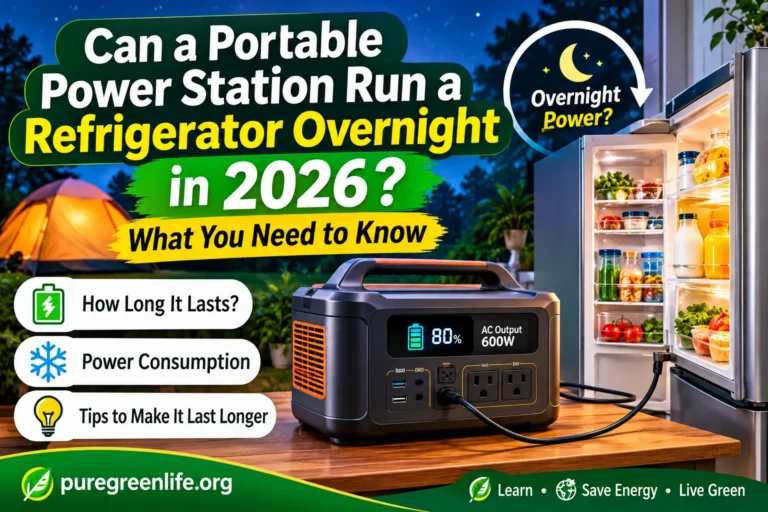
| Refrigerator | Varies widely | Requires careful checking |
The figures above are examples only. Check the actual wattage on your appliances.
Large appliances can drain a portable battery quickly. Air conditioners, electric heaters, and water heaters often require substantial power. A small balcony solar generator may not support them.
How to Set Up a Solar Generator on an Apartment Balcony
A compact solar setup can work well when your balcony receives enough direct sunlight. However, safety and building restrictions should come first.
Step 1: Check Your Building Rules
Some apartment buildings restrict outdoor equipment and balcony installations. They may have rules about drilling, cables, and objects attached to railings.
Ask your landlord or building manager before installing solar panels. Check local regulations where applicable.
Step 2: Choose a Sunny Location
Observe your balcony throughout the day. Find a position that receives direct sunlight for several hours.
Avoid blocking walkways or creating falling hazards. Never leave panels unsecured near balcony edges.
Step 3: Connect Compatible Solar Panels
Read the power station manual before connecting the panels. Check supported voltage, current, connectors, and maximum solar input.
Do not guess the wiring arrangement. Incorrect connections may damage the equipment.
Step 4: Position the Power Station Safely
Place the power station on a stable, dry surface. Follow the manufacturer’s ventilation and temperature instructions.
Many portable power stations are designed for indoor use. Keep them away from rain, direct heat, and excessive moisture unless the manufacturer specifically permits outdoor use.
Step 5: Monitor Solar Charging
Check the display or companion app if your model includes one. It may show solar input, battery level, and estimated charging time.
Clouds, shade, and panel angle can reduce electricity production. Adjust the panels only when it is safe.
Common Mistakes to Avoid
Buying the wrong equipment can waste money and create safety problems. Avoid these common mistakes when planning your balcony setup.
- Ignoring battery capacity: Calculate your expected electricity needs before choosing a battery.
- Overlooking balcony shade: Nearby buildings and walls can reduce solar production.
- Buying incompatible panels: Match the panel specifications with the power station.
- Ignoring weight and space: Check panel dimensions and equipment weight before purchasing.
- Forgetting building restrictions: Get permission before placing equipment outside.
- Expecting whole-apartment backup: A portable power station may not support every household appliance.
Never connect a portable power station directly to household wiring without a properly designed and approved transfer system installed by a qualified electrician.
Is a Solar Generator Worth It for Apartment Residents?
A solar generator can be a useful investment when you need backup electricity for essential devices. It is especially practical for renters who cannot install permanent rooftop solar panels.
However, its value depends on your electricity needs and balcony conditions. A shaded balcony may not generate enough solar energy for regular charging.
Before purchasing, compare the total cost of the power station and panels. Consider battery lifespan, warranty, charging options, and local service availability.
The best solar generator is not necessarily the biggest or most expensive model. It is the one that safely meets your actual electricity requirements.
Final Thoughts
Choosing the best solar generator for apartment balconies requires careful attention to battery capacity, power output, panel compatibility, and safety.
A compact power station can support phones, lights, routers, and laptops during outages. Larger systems may support additional devices when their specifications allow it.
Before buying, measure your balcony and check building restrictions. Choose compatible panels and secure them properly.
With the right equipment, a portable solar generator can provide convenient backup power for apartment living.