
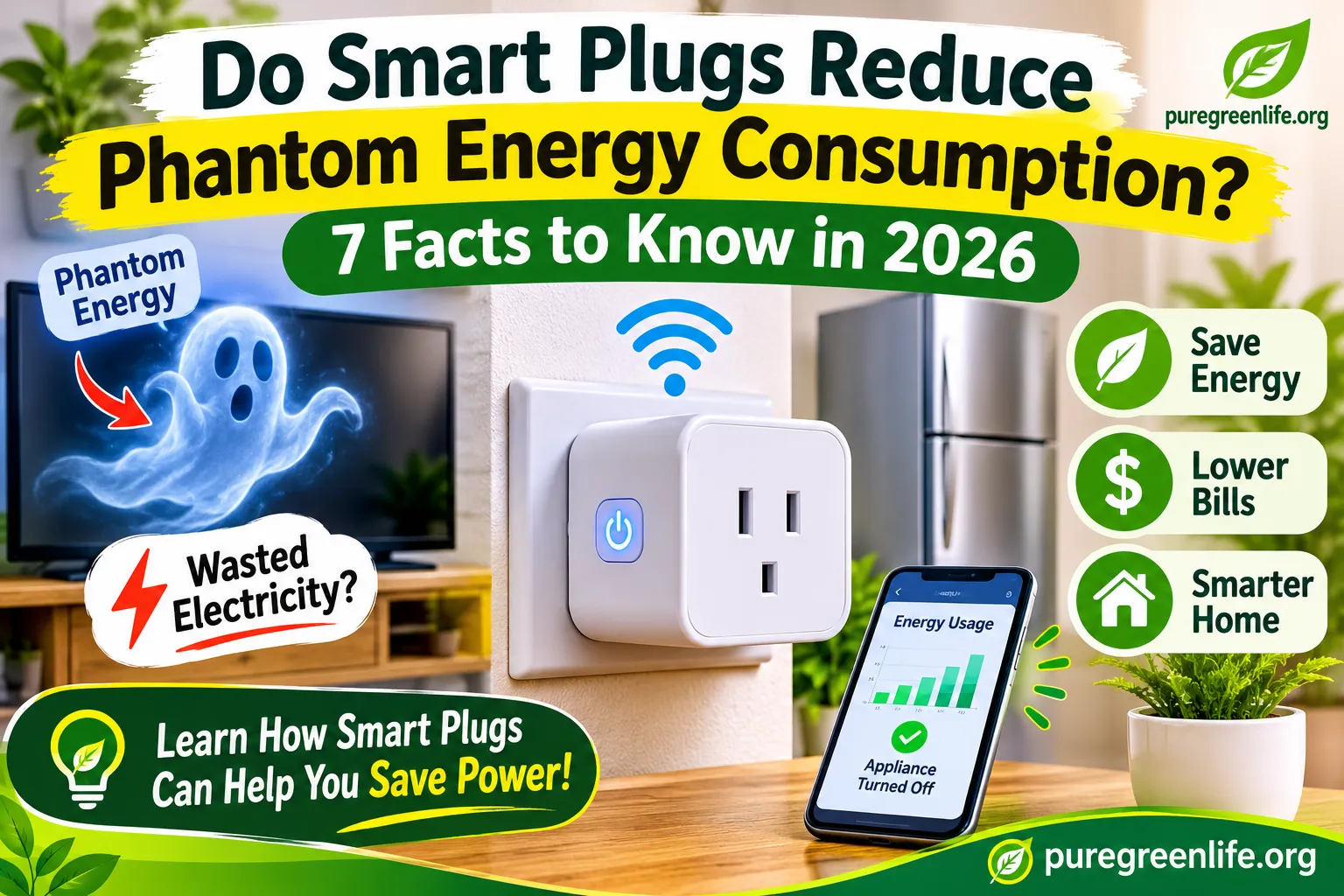
Many home appliances use electricity even when they appear switched off. This hidden power use is called phantom energy consumption. TVs, gaming consoles, chargers, and other devices may draw standby power. Over time, this unnecessary usage can increase household electricity bills.
Smart plugs offer a simple way to control connected appliances. They can switch devices off automatically or through an app. But do smart plugs really reduce phantom energy consumption? Let’s explore how they work, where they help, and when they make sense.
What Is Phantom Energy Consumption?
Phantom energy is electricity used by devices when they are not actively working. It is also known as standby power or vampire power. For example, many electronics continue using electricity even after being switched off. In fact, this happens more often than many people realize.
Some devices need standby power for remote controls and quick startup. Similarly, others stay connected to Wi-Fi or maintain internal settings. Moreover, certain appliances continue using electricity to keep their displays active. Although this power use may seem small for one device, it can increase over time. As a result, several appliances can waste a noticeable amount of electricity. Therefore, understanding phantom energy is an important first step toward reducing unnecessary power consumption. In addition, making small changes can help households manage their energy use more effectively..
Common Examples of Phantom Energy
Several household devices may consume standby electricity. Common examples include:
- Televisions and streaming devices
- Gaming consoles
- Desktop computers and monitors
- Printers and speakers
- Microwave ovens with digital clocks
- Phone chargers left plugged in
- Coffee machines with standby displays
Not every device uses the same amount of standby power. You can measure actual consumption with a suitable energy monitor.
How Do Smart Plugs Work?
A smart plug connects between a wall outlet and an appliance. It allows you to control the appliance’s power supply. Most models connect through Wi-Fi or another smart home system.
You can switch connected devices on or off using an app. Many models also support schedules and automatic routines. Some smart plugs measure the connected appliance’s electricity use.
When a smart plug switches off its internal power relay, it disconnects the appliance from the supply. This can stop the appliance from using standby electricity. The smart plug itself still uses a small amount of power.
Do Smart Plugs Reduce Phantom Energy Consumption?
Yes, smart plugs can reduce phantom energy consumption. They work best with devices that use standby power unnecessarily. A scheduled power cutoff can prevent these devices from drawing electricity.
For example, a television may remain in standby mode overnight. A smart plug can switch it off after bedtime. The television then stops using standby power until power returns.
The actual savings depend on the appliance and its usage. Devices with very low standby consumption offer smaller savings. Smart plugs also use some electricity to stay connected.
A California Energy Commission project tested smart plug controls in office buildings. Its field studies reported different savings across control strategies and equipment. This shows that results depend on the devices and schedules involved.
7 Ways Smart Plugs Can Help Save Energy
Smart plugs do more than provide remote control. Their scheduling and monitoring features can support better energy habits.
1. Turn Off Devices Automatically
You can create schedules for appliances you do not need overnight. For example, a smart plug can switch off a TV after midnight. This prevents unnecessary standby use during those hours.
2. Control Entertainment Systems
Televisions, speakers, and streaming boxes may remain in standby mode. A smart plug can disconnect selected devices when nobody uses them. Check that the devices do not need continuous power.
3. Monitor Electricity Consumption
Some smart plugs display energy use in their mobile apps. This information helps identify devices that consume more electricity. You can then decide when to switch them off.
4. Reduce Unnecessary Overnight Usage
Many electronic devices stay connected throughout the night. A smart plug can disconnect suitable devices while everyone sleeps. This can reduce standby consumption over several hours.
5. Create Daily Energy-Saving Schedules
You can set different schedules for weekdays and weekends. For example, a desk setup can switch off after working hours. Automatic routines reduce the need for manual switching.
6. Control Devices When You Are Away
Some smart plugs let you control appliances remotely. You can switch off compatible devices when leaving home. This helps prevent unnecessary electricity use during long absences.
7. Build Better Energy Habits
Energy monitoring can make hidden electricity use easier to understand. You can compare consumption before and after changing schedules. This feedback may encourage more careful energy use.
Which Appliances Should You Connect to Smart Plugs?
Smart plugs are most useful for appliances that can safely lose power. Choose devices that do not need continuous operation. Always check the manufacturer’s instructions before using a smart plug.
| Appliance | Smart Plug Use | Important Note |
|---|---|---|
| Television | Useful | Check standby and update settings |
| Gaming console | Sometimes useful | Avoid cutting power during updates |
| Speakers | Useful | Check connected system requirements |
| Desk lamp | Useful | Confirm its switch supports smart control |
| Printer | Sometimes useful | Check automatic maintenance needs |
| Phone charger | Limited benefit | Unplugging may be simpler |
| Refrigerator | Usually unsuitable | Needs continuous power |
Do Smart Plugs Use Electricity Themselves?
Yes, smart plugs consume a small amount of electricity. They need power for wireless communication and internal electronics. Some models also measure the connected device’s energy use.
This means a smart plug does not create energy savings automatically. It must save more electricity than it consumes. Choose an efficient model with low standby power.
Check the product specifications before buying. ENERGY STAR smart home system criteria include a standby power limit for qualifying smart plugs and related devices. Individual products may have different specifications.
Smart Plugs vs. Traditional Power Strips
Both options can help control electricity use. Their features and convenience are different.
| Feature | Smart Plug | Traditional Power Strip |
|---|---|---|
| Remote control | Usually available | Usually unavailable |
| Scheduling | Available on many models | Usually unavailable |
| Energy monitoring | Available on some models | Rare |
| Automatic control | App or automation | Manual switch |
| Multiple outlets | Usually one controlled outlet | Several outlets |
| Standby electricity | Uses a small amount | Usually none when switched off |
A traditional power strip may be enough for several devices used together. A smart plug offers more control over individual appliances. Your choice depends on convenience and energy-saving needs.
How to Choose an Energy-Efficient Smart Plug
Not every smart plug offers the same features. Consider these points before purchasing one.
Check Standby Power Consumption
Look for the device’s idle or standby power rating. A lower figure means less electricity used by the plug itself.
Choose Energy Monitoring Features
Energy monitoring can help you understand appliance consumption. It is especially useful when you want to identify hidden loads.
Check Electrical Ratings
Make sure the smart plug supports your appliance’s voltage and current. Never exceed its maximum load rating.
Review Safety and Compatibility
Choose a certified product from a reliable manufacturer. Check compatibility with your Wi-Fi network and smart home system. Avoid using ordinary smart plugs with unsuitable high-power appliances.
When Should You Avoid Using Smart Plugs?
Some appliances should remain connected to a continuous power supply. For example, refrigerators and freezers need constant electricity to keep food fresh. Similarly, medical equipment and security systems may require uninterrupted power to work properly. Therefore, disconnecting these devices can cause problems or create safety risks.
In addition, avoid switching off computers while they are updating or saving files. Otherwise, you may lose important data or interrupt essential updates. Likewise, some printers perform automatic cleaning and maintenance routines. As a result, cutting their power suddenly may affect their performance. For this reason, always check the appliance manual before creating a smart plug schedule. Moreover, make sure the device can safely handle automatic power interruptions.
Conclusion
Smart plugs can reduce phantom energy consumption when used correctly. They help disconnect appliances that do not need constant power. Scheduling and energy monitoring can make savings easier to manage.
However, smart plugs also consume a small amount of electricity. Their benefits depend on the standby power of connected devices. Start with suitable electronics, check their energy use, and choose efficient smart plugs. Small changes can support a more energy-conscious home. visit https://puregreenlife.org/ for more information
Frequently Asked Questions
Do smart plugs eliminate phantom energy?
They can stop standby consumption from connected appliances when switched off. The smart plug itself still uses a small amount of electricity.
Can smart plugs lower electricity bills?
Yes, they may reduce electricity costs by cutting unnecessary standby use. Actual savings depend on appliance consumption and electricity prices.
Do smart plugs use power when turned off?
Yes, most connected smart plugs need some electricity for communication. Their standby consumption varies by model.
Which devices benefit most from smart plugs?
Televisions, speakers, gaming accessories, and selected office equipment may benefit. Choose devices that do not need continuous power.
Are smart plugs better than traditional power strips?
Smart plugs offer remote control, scheduling, and sometimes energy monitoring. Traditional power strips are simpler and may suit multiple devices.





2 thoughts on “Do Smart Plugs Reduce Phantom Energy Consumption? 7 Facts to Know in 2026”