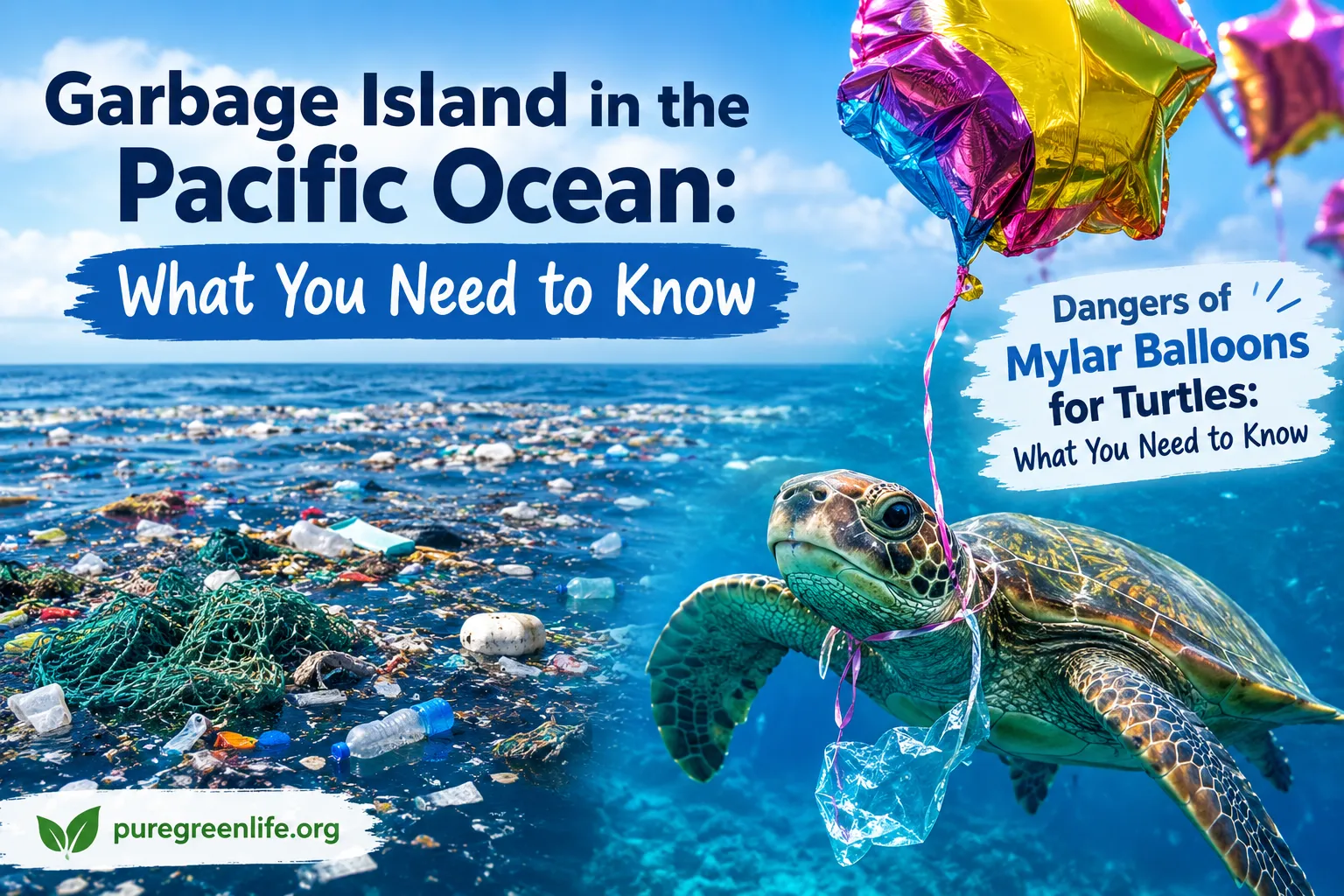
The Pacific Ocean contains large areas where marine debris gathers. One famous area is called the Great Pacific Garbage Patch. Many people imagine it as a huge island of floating trash. In reality, it does not look like a solid island. Most of its debris consists of small plastic pieces spread through the water.
Ocean currents move this debris across large areas. Wind and waves also keep the material moving. Some larger items, such as fishing nets, can appear there too. This pollution can harm marine animals and damage ocean ecosystems.
What Is the Garbage Island in the Pacific Ocean?
The Great Pacific Garbage Patch is an area of concentrated marine debris. It sits within the North Pacific Ocean between Hawaii and California. Ocean currents help move and collect floating debris in this region.
The name “garbage island” can create the wrong picture. There is no solid island made from bottles and other trash. You cannot walk across it or see it from space.
Instead, debris spreads across a large and changing area. Some plastic floats near the surface of the ocean. Other pieces move deeper through the water column.
Much of the debris consists of microplastics smaller than five millimeters. These tiny pieces can be difficult to see without close inspection. Larger debris can still appear among the smaller plastic pieces.
Where Is the Great Pacific Garbage Patch?
The Great Pacific Garbage Patch lies in the North Pacific Ocean. It is generally found between Hawaii and California. Ocean currents within the North Pacific Gyre help concentrate debris there.
Its exact boundaries do not stay fixed throughout the year. Winds and currents constantly move the debris around. Because of this movement, scientists cannot give one permanent boundary.
Some parts contain more debris than others. Other areas may contain very little visible waste. A boat can even pass through the region without seeing much plastic.
The patch also extends beyond the visible ocean surface. Tiny plastic pieces can spread throughout the upper water column. This makes the pollution much harder to measure and remove.
How Did the Garbage Patch Form?
The garbage patch formed through natural ocean movement and human pollution. Ocean currents gather floating materials in certain areas. Human activities continue adding plastic and other debris to waterways.
Ocean Currents
Large rotating ocean currents are called gyres. These currents can move floating debris toward areas of higher concentration. The North Pacific Gyre helps gather debris in the Pacific Ocean.
Wind also affects how debris moves across the ocean. Waves can push plastic across the water surface. Together, these forces keep the debris moving and mixing.
The debris does not stay in one exact location. Its concentration changes with ocean conditions. Some pieces may move away from the main accumulation area.
Plastic Waste
Plastic is the most common type of marine debris. It can enter waterways through littering and poor waste management. Stormwater runoff can also carry plastic toward rivers and oceans.
Large plastic items can break into smaller pieces over time. Sunlight, waves, and weather help break larger pieces apart. These fragments can eventually become microplastics.
Plastic does not simply disappear after entering the ocean. Many common plastics break into smaller pieces instead. Some plastic materials may remain in the environment for very long periods.
What Is Found in the Garbage Patch?
The Great Pacific Garbage Patch contains many forms of marine debris. Plastic makes up a large part of the debris found there. The material ranges from tiny fragments to larger objects.
Plastic Debris
Microplastics make up much of the debris by number. These pieces measure less than five millimeters across. Their small size makes them difficult to see and collect.
Some microplastics come from larger plastic objects. Sunlight and waves can break larger items into smaller fragments. Other tiny plastics enter waterways already in small forms.
Plastic bottles and other larger objects can also appear. These items are less common than tiny plastic pieces by count. Still, larger debris can create serious problems for wildlife.
Fishing Gear
Lost and abandoned fishing gear can also collect in ocean areas. Fishing nets are among the larger debris found in garbage patches. These nets can continue floating after people lose them.
Animals can become trapped in floating fishing gear. Nets may restrict swimming and cause serious injuries. Some animals may also drown after becoming entangled.
Fishing gear can also create problems for boats. Nets may become caught in propellers or block water intakes. These incidents can create safety and repair problems.
How Does It Affect Marine Life?
Marine debris can harm animals in several different ways. Wildlife may swallow plastic while searching for food. Other animals can become trapped in floating debris.
Animals Eating Plastic
Marine animals can mistake plastic for food. Small plastic pieces may be swallowed while animals feed. Larger debris can also enter an animal’s digestive system.
Swallowed debris can cause choking or digestive problems. It may also reduce the space available for real food. In serious cases, animals can suffer starvation or other health problems.
Plastic pollution affects different marine species in different ways. The exact effects depend on the animal and debris involved. Researchers continue studying the long-term effects of marine plastic pollution.
Entanglement Risks
Floating ropes, nets, and other debris can trap marine animals. Turtles, seals, whales, and seabirds can face these risks. An animal may struggle to escape after becoming caught.
Entanglement can restrict normal swimming and feeding. It may also cause cuts, wounds, or other injuries. Some animals can drown when debris prevents them from reaching the surface.
These risks show why large marine debris needs attention. Removing debris from easier-to-reach areas can help reduce these threats.
Can the Great Pacific Garbage Patch Be Cleaned Up?
Cleaning the entire Great Pacific Garbage Patch is extremely difficult. The debris spreads across a huge and changing ocean area. Much of the plastic is also extremely small.
Cleanup Efforts
Cleanup projects can remove larger debris from some areas. Fishing nets and other large items can be collected more easily. Shoreline cleanups can also remove debris before it reaches open water.
Removing tiny plastic pieces from the ocean is much harder. Microplastics move through the water with waves and currents. Large-scale removal could also disturb marine life.
NOAA focuses strongly on preventing marine debris. Removing waste from shorelines and coastal areas remains useful. These locations are easier to reach than remote ocean areas.
Preventing More Plastic Waste
Prevention can reduce the amount of new debris entering oceans. Better waste handling can keep plastic away from waterways. People can also reduce unnecessary single-use plastic items.
Businesses can improve packaging and waste management practices. Communities can support recycling and local cleanup programs. Governments can also create policies that reduce marine pollution.
Stopping debris before it reaches the ocean makes cleanup easier. It also prevents new plastic from joining existing debris.
How Can We Reduce Ocean Plastic?
Everyone can take simple steps to reduce plastic pollution. Reusable products can replace many single-use plastic items. Properly disposing of waste also keeps litter away from waterways.
Avoid throwing plastic on streets, beaches, and public areas. Secure loose waste before placing it outside for collection. Small pieces can easily enter drains during heavy rain.
Choose reusable bags, bottles, and food containers when possible. Reuse suitable items instead of replacing them quickly. Recycling can also help when proper recycling systems are available.
Beach cleanups provide another practical way to help. Removing litter keeps some debris from returning to the ocean. Prevention remains especially important because ocean cleanup is difficult.
Final Thoughts on the Pacific Garbage Patch
The Great Pacific Garbage Patch is not a floating island of trash. It is an area where marine debris becomes more concentrated. Ocean currents, winds, and waves constantly move the debris around.
Most of the debris consists of small plastic pieces. Larger objects, including fishing gear, can also occur there. These materials can create risks for marine animals and ocean activities.
Cleaning the entire area is difficult because the debris is widely spread. Tiny plastics are especially hard to collect from moving seawater. Prevention can help reduce the amount of new debris entering oceans.
Reducing plastic waste starts with everyday choices. Better disposal, reuse, and waste prevention can all help. Protecting oceans requires action before plastic reaches the water.