What Does Green Learn Mean?
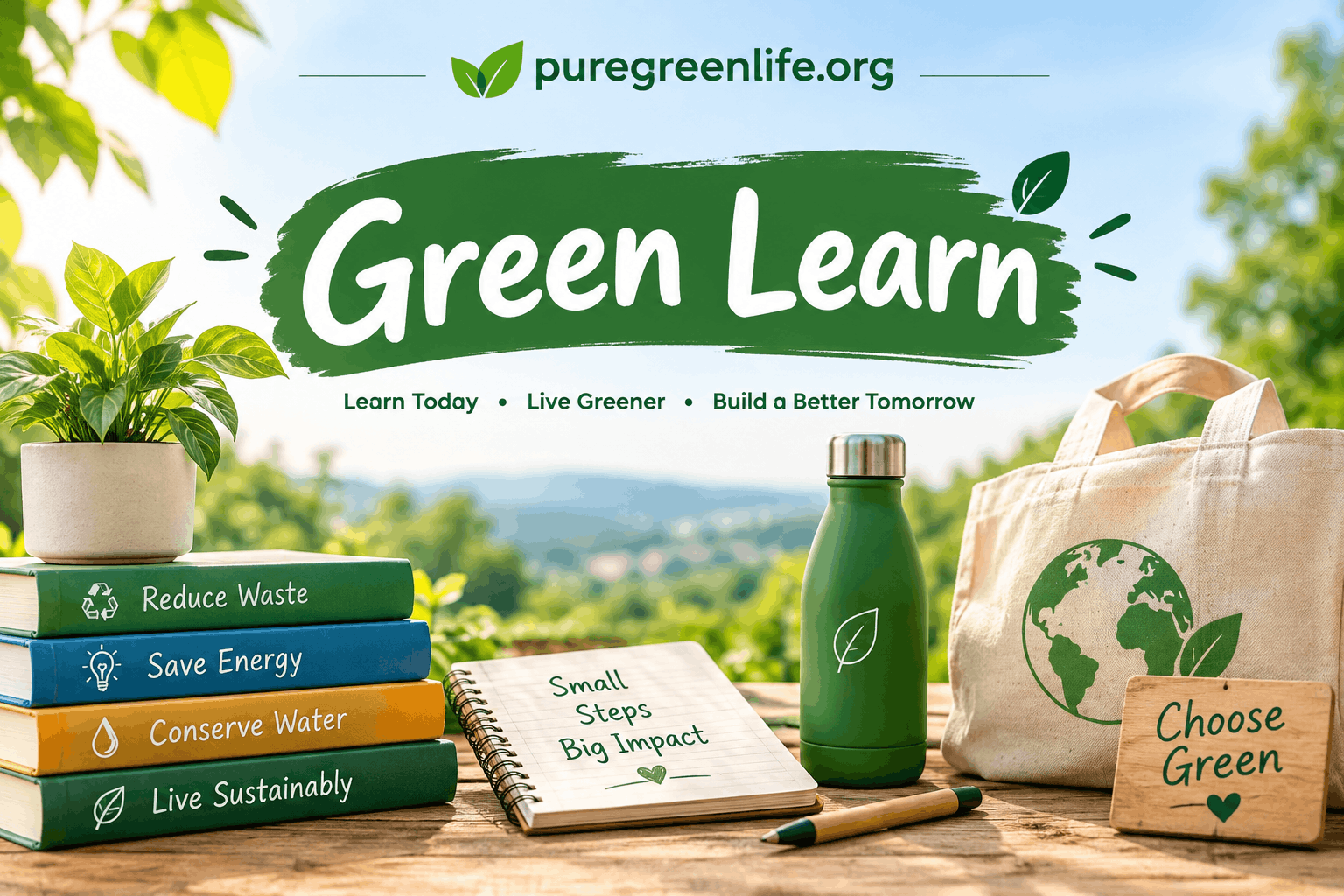
Green learn means learning simple ways to protect the environment. It covers recycling, saving energy, reducing waste, and conserving water. It helps people make eco-friendly choices in everyday life.
Why Is Green Learning Important?
Green learning helps people understand how their choices affect the environment. It teaches simple ways to reduce waste, save energy, and conserve water. These habits can lower resource use and reduce environmental impacts. Green learning also encourages responsible choices at home, school, and work.
How Green Learn Promotes Sustainable Living
Green learn teaches people simple ways to live more sustainably. It encourages saving water, reducing waste, and using energy responsibly. People can also learn about recycling and eco-friendly transportation choices. These habits help reduce resource use and support a healthier environment.
Simple Green Habits to Learn and Follow
Small daily habits can help people use resources more responsibly. These habits are easy to practice at home.
Reduce Household Waste
Buy only what you need and avoid unnecessary packaging. Reuse useful items instead of throwing them away.
Save Water Every Day
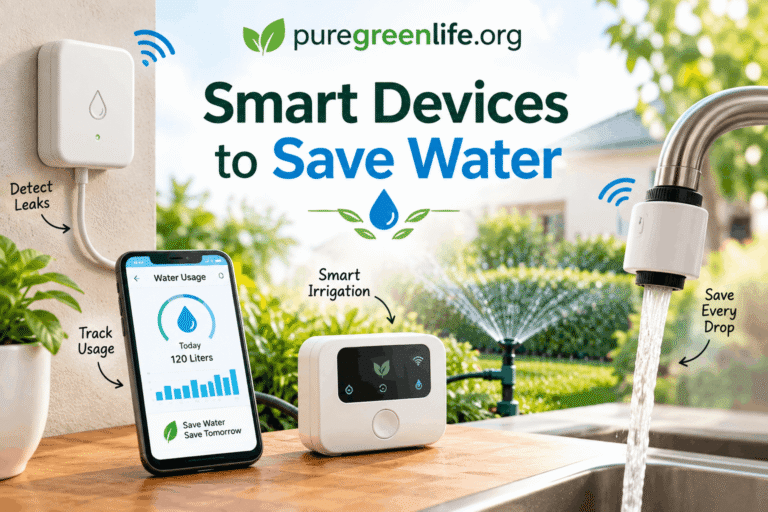
Turn off taps when water is not needed. Fix leaking taps and pipes quickly.
Use Energy Wisely
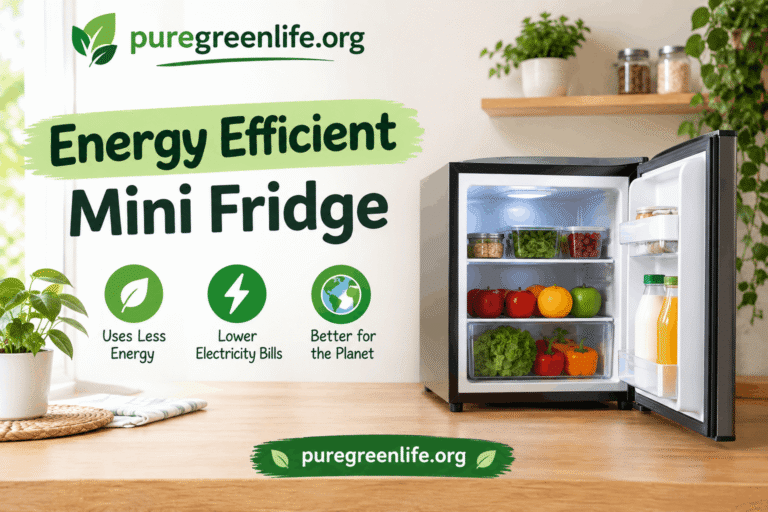
Turn off lights and devices when you do not need them. Choose energy-efficient appliances when replacing old ones.
Choose Eco-Friendly Products
Look for durable products that can be reused for longer. Choose products with less unnecessary packaging when possible.
Reduce Plastic Use
Carry reusable bags and bottles instead of single-use plastic items. Reuse plastic items safely when suitable for their purpose.
Green Learn and Renewable Energy
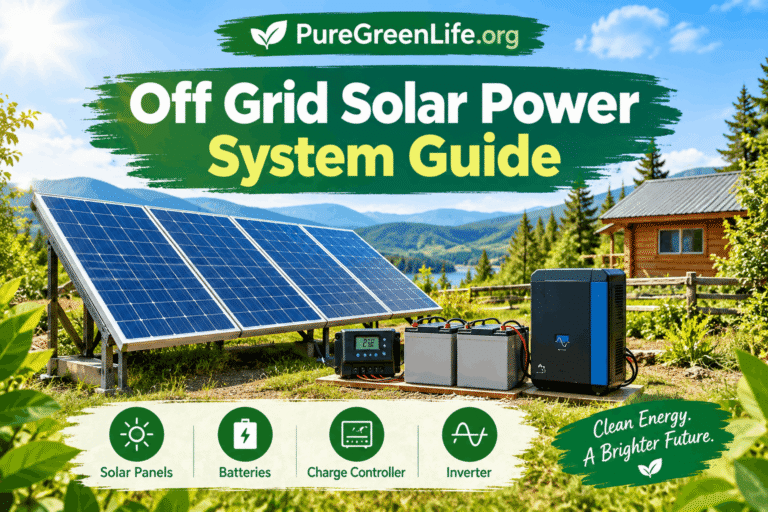
Green learn teaches people about cleaner energy sources. Renewable energy includes solar, wind, hydropower, and geothermal energy. These sources naturally replenish and can reduce reliance on fossil fuels. Learning about renewable energy helps people understand cleaner energy choices. It also supports better decisions about energy use at home.
Green Learn for Eco-Friendly Homes
Green learn helps people make their homes more environmentally friendly. Simple changes can reduce energy use, water waste, and household waste. Use LED bulbs and switch off lights when rooms are empty. Choose energy-efficient appliances when replacing older household equipment. You can also save water by fixing leaks and using water carefully. These habits can make homes more efficient and reduce resource use.
Green Learn and Sustainable Transportation
Green learn teaches people about cleaner ways to travel. Walking, cycling, and public transport can reduce vehicle use and emissions. Electric vehicles produce no tailpipe emissions during driving. Learning these options helps people make informed transportation choices.
Green Learn and Zero-Waste Living
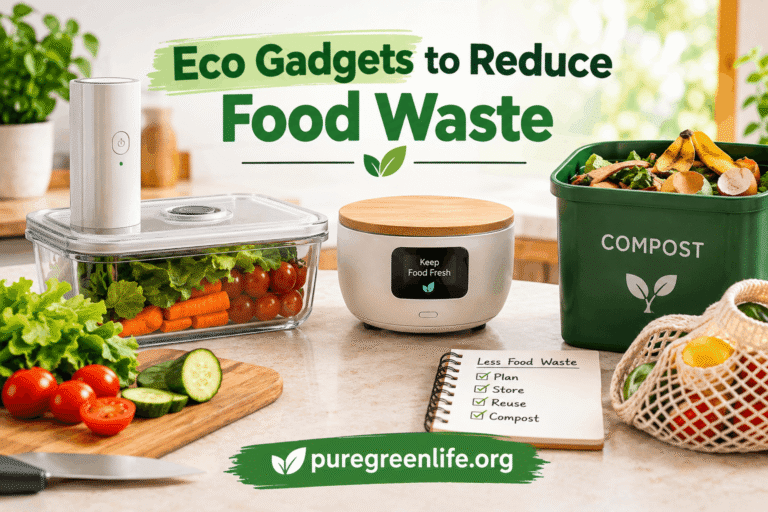
Green learn teaches simple ways to reduce everyday waste. Zero-waste living focuses on reducing waste before recycling or disposal. People can buy only what they need and avoid unnecessary packaging. Reusable bags, bottles, and containers can replace many disposable items. Repairing and reusing products can also keep useful items in circulation. These habits help conserve resources and reduce the amount of waste created.
Benefits of Learning Green Living
Green living teaches simple habits that reduce waste and conserve resources. Using less energy can lower energy bills and reduce pollution. Saving water helps protect water supplies and reduce unnecessary energy use. Reducing waste also saves natural resources and can lower pollution. These habits help people make more responsible choices every day.
How to Start Your Green Learn Journey
Start by learning one simple eco-friendly habit at a time. Begin by reducing waste and reusing items whenever possible. Save water by fixing leaks and turning off unused taps. Save energy by switching off unused lights and devices. Choose efficient products when replacing old appliances or household items. Small, consistent changes can help you build sustainable daily habits.
Common Green Living Mistakes to Avoid
Green living does not require perfect choices every day. Small changes can still reduce waste and save resources.
Buying Too Many Eco-Friendly Products
Do not buy new products just because they look environmentally friendly. First, check if you really need the product. Using existing items longer can reduce waste and resource use.
Focusing Only on Recycling
Recycling helps, but reducing waste should come first. Try to reduce, reuse, and repair items before recycling them. This approach can help prevent unnecessary waste.
Wasting Water
Leaving taps running can waste water unnecessarily. Fix leaking taps and turn off water when you do not need it. Shorter showers can also help reduce household water use.
Leaving Lights and Devices On
Unused lights and devices can consume unnecessary electricity. Turn them off when you leave a room or stop using them. Energy-efficient products can also help reduce energy use.
Using Too Many Disposable Items
Single-use products can create unnecessary household waste. Choose reusable bags, bottles, and containers when suitable. Reuse items safely before replacing them with new products.
Believing Every Green Claim
Some products use vague environmental claims without clear supporting information. Look for credible labels and check product information carefully. This helps you avoid misleading environmental claims when shopping.
Trying to Change Everything at Once
Changing every habit at once can feel difficult. Start with one or two simple habits. Build better habits gradually and keep them consistent. Green living works best when practical habits become part of daily life.
Frequently Asked Questions About Green Learn
What is green learn?
Green learn means learning simple ways to protect the environment. It includes saving energy, reducing waste, conserving water, and reusing items. It helps people make more responsible choices in daily life.
Why is green learning important?
Green learning helps people understand how daily choices affect resources. It teaches practical ways to reduce waste and use energy wisely. It also encourages better habits at home, school, and work.
How can beginners start green learning?
Beginners can start by learning one simple habit at a time. They can learn about waste, water, energy, and sustainable transportation. Starting small makes new habits easier to maintain over time.
What are simple sustainable habits to learn?
Simple habits include reducing waste and reusing useful items. People can also save water and switch off unused lights. Using reusable products can reduce unnecessary disposable waste.
Walking, cycling, or public transport can reduce some vehicle use.
Final Thoughts on Green Learn
Green learn teaches simple ways to protect resources and reduce waste. Start small and build better habits over time. Save water, use energy wisely, and reuse useful items. Small daily actions can support a more sustainable lifestyle.



One thought on “Green Learn: A Simple Guide to Sustainable Living”