
What Is a Solar Power Bank?
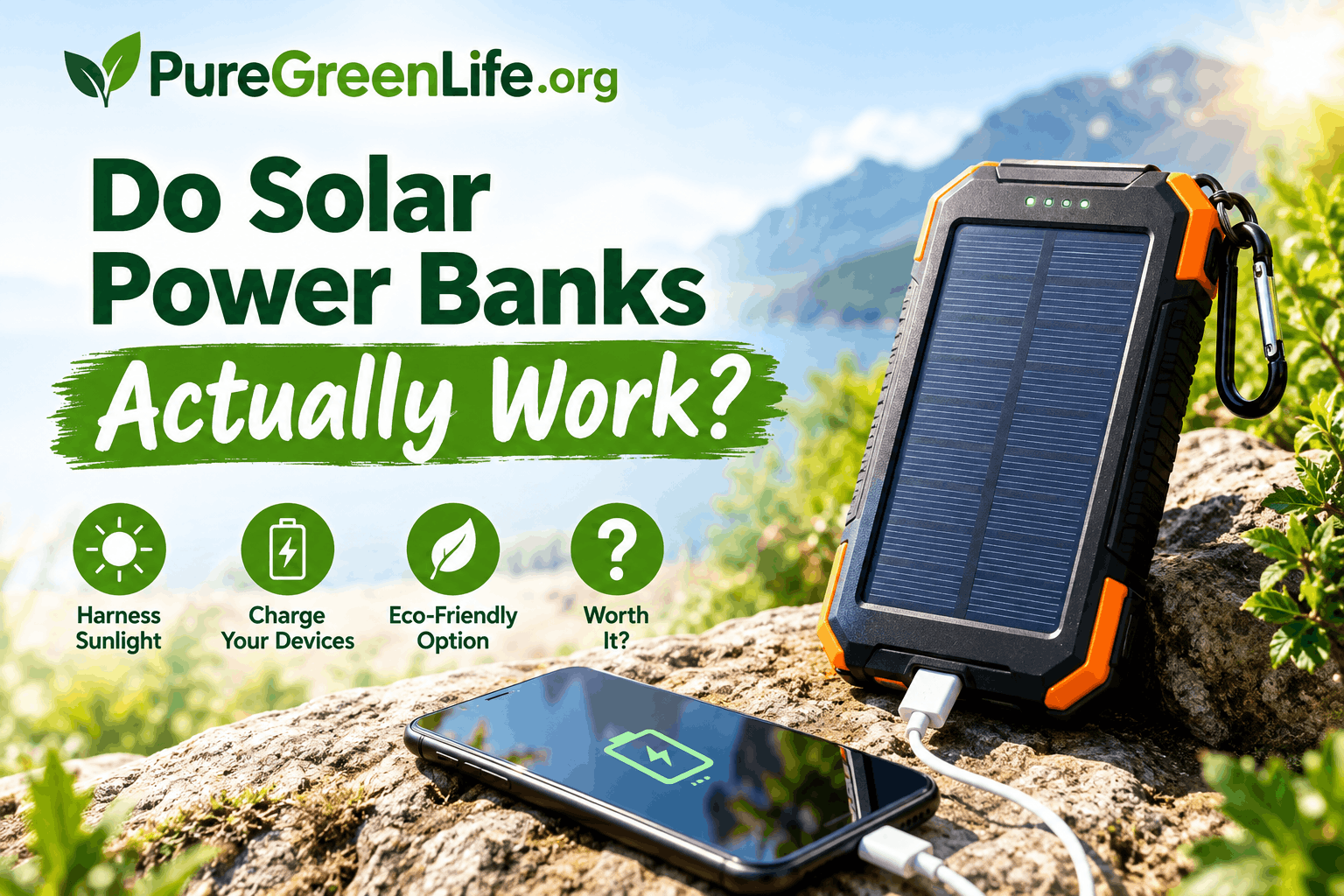
A solar power bank is a portable charger that uses sunlight to generate electricity. It has a built-in solar panel and a rechargeable battery. The panel collects sunlight and stores energy for later use. You can use it to charge smartphones and other small devices. Most models also support USB charging for faster, more reliable power. They are useful for camping, hiking, and emergencies.
How Do Solar Power Banks Work?
Solar power banks use sunlight to generate and store electricity. They have three main parts: solar panels, rechargeable batteries, and USB ports. Each part plays a role in charging your devices.
Solar Panels Convert Sunlight Into Electricity
Solar panels collect sunlight and convert it into electrical energy. They use special cells called photovoltaic cells to produce electricity. Direct sunlight helps them generate more power.
Built-In Batteries Store Energy
The electricity flows from the solar panel into a rechargeable battery. The battery stores this energy until you need it. You can use the stored power even when sunlight is unavailable.
USB Ports Charge Your Devices
USB ports transfer stored energy from the battery to your devices. Simply connect your phone using a compatible charging cable. The power bank then supplies electricity to charge your device.
This process works much like a regular power bank. The main difference is its ability to collect energy from sunlight.
Do Solar Power Banks Actually Work?
Yes, solar power banks actually work, but they charge slowly. Their small solar panels produce limited electricity. Sunlight, weather, and panel size affect their performance. They work well as backup chargers during outdoor trips. However, USB charging usually provides faster and more reliable results.
How Long Does It Take to Charge a Solar Power Bank?
Charging time depends on battery size, sunlight, and charging method. USB charging usually takes a few hours, while solar charging takes much longer. Direct sunlight, proper positioning, and good weather improve solar charging speed. For faster results, charge your power bank using a USB cable.
How to Use a Solar Power Bank
Using a solar power bank is simple. You can charge it through sunlight or a USB cable. Follow these steps to get started.
Charge It Using Sunlight
Place the solar panel in direct sunlight. Keep it clear of shadows for better charging. Remember, solar charging takes much longer than USB charging.
Charge It Through a USB Cable
Connect your power bank to a compatible USB charger. Plug it into a suitable power source. This method charges the battery faster and more reliably.
Connect Your Phone or Other Devices
Use a compatible USB cable to connect your phone. The power bank will supply stored energy to your device. Check the battery indicator to monitor its remaining power.
Benefits of Solar Power Banks
Solar power banks offer convenient backup power when outlets are unavailable. They are useful for travel, outdoor activities, and emergencies.
Convenient for Outdoor Activities
Solar power banks are handy for camping, hiking, and traveling. They let you recharge devices when electrical outlets are unavailable. You can use stored power to keep your phone ready.
Useful During Power Outages
Solar power banks provide backup power during electricity outages. They can help keep your phone charged for calls and messages. Sunlight can also add power when regular charging is unavailable. However, solar charging works slowly and depends on sunlight.
Reduces Dependence on Wall Outlets
Solar power banks offer another way to recharge your devices. You can use sunlight instead of relying only on wall outlets. This makes them useful during trips and extended outdoor activities. USB charging remains faster for regular battery recharging.
Portable and Easy to Carry
Most solar power banks have a compact, portable design. You can easily carry one in a backpack or travel bag. Their lightweight design makes them suitable for everyday use. Some models also include useful features like LED lights.
Disadvantages of Solar Power Banks
Solar power banks offer useful backup power, but they also have some limitations. Their charging speed, battery capacity, and performance can vary.
Slow Solar Charging
Solar power banks often take a long time to recharge. Their small panels collect limited energy from sunlight. USB charging usually works much faster. Solar charging is better for occasional backup power.
Limited Battery Capacity
Most solar power banks have limited battery storage. They can charge phones and other small devices. However, larger devices may drain their batteries quickly. Check the capacity before choosing a model.
Performance Depends on Sunlight
Solar power banks need sunlight to generate electricity. Clouds, shade, and poor positioning can reduce their output. They may charge very slowly during cloudy weather. Their performance also changes throughout the day.
Not Ideal for High-Power Devices
Most solar power banks work best with small electronic devices. They can charge phones, earbuds, and some other gadgets. However, they may not provide enough power for laptops or larger appliances. For higher-power backup needs, portable power stations can be a more suitable option. Always check the device’s power requirements and the bank’s output ratings.
Are Solar Power Banks Worth It?
Solar power banks are useful for outdoor trips and power outages. They provide backup power when wall outlets are unavailable. However, solar charging is slow, and battery capacity can be limited. USB charging remains faster for everyday use. They are worth considering if you need portable backup power
Solar Power Banks vs Regular Power Banks
Solar power banks charge through sunlight and USB cables. Regular power banks rely on USB charging. Solar models provide backup power during outdoor trips and outages. However, their solar charging is usually slow. Regular power banks charge faster and suit everyday use. They are often smaller and easier to carry. Choose a solar power bank for extra backup power. Choose a regular model for faster daily charging.
What to Look for When Buying a Solar Power Bank
Choosing the right solar power bank depends on your needs. Check its capacity, charging speed, durability, and available ports before buying.
Battery Capacity
Battery capacity shows how much energy a power bank can store. It is usually measured in milliampere-hours (mAh). Higher capacity generally means more charging power for your devices. Choose a capacity that matches your daily needs.
Solar Panel Efficiency
Solar panel efficiency affects how well the panel converts sunlight into electricity. Larger panels can collect more sunlight under suitable conditions. Check the panel’s rated power in watts. Remember, small built-in panels usually charge batteries slowly.
Charging Speed
Charging speed determines how quickly the power bank recharges your devices. Check its USB input and output ratings. USB-C Power Delivery can provide faster charging for compatible devices. Also, check how quickly the power bank itself recharges.
Durability and Weather Resistance
Choose a sturdy power bank for outdoor activities. Water-resistant and dust-resistant designs offer extra protection. Check the product’s IP rating to understand its protection level. Avoid exposing it to conditions beyond its stated limits.
USB Ports and Device Compatibility
Check which USB ports the power bank includes. USB-A and USB-C ports support many modern devices. Make sure its output matches your phone or tablet’s requirements. Multiple ports can also let you charge several devices together.
Tips to Get the Most Out of a Solar Power Bank
Use these simple tips to improve charging and protect your power bank.
- Keep the solar panel facing direct sunlight for better charging.
- Keep the panel clean and free from dust or dirt.
- Use USB charging when you need faster battery charging.
- Avoid leaving the power bank in extremely hot places.
- Use the correct cable and compatible charging port for your device.
- Follow the manufacturer’s instructions for charging and battery storage.
Frequently Asked Questions (FAQs)
Do solar power banks work on cloudy days?
Yes, they can still charge on cloudy days. However, charging becomes slower with less sunlight.
Can a solar power bank charge a phone completely?
Yes, if it has enough stored energy and suitable output. Small panels may recharge slowly.
Can you charge a solar power bank overnight?
No, solar panels need light to generate electricity. Use a USB charger for overnight charging.
How many years does a solar power bank last?
Battery lifespan varies by battery type, quality, and usage. Follow the manufacturer’s care instructions for longer life.
Is a solar power bank better than a regular power bank?
It depends on how you use it. Solar models offer sunlight charging, while regular models charge faster.
Final Thoughts on Solar Power Banks
Solar power banks can provide useful backup power when outlets are unavailable. They can collect sunlight and store energy for later use. However, their solar charging speed depends on available sunlight. USB charging usually provides a more reliable way to recharge them. They work well for travel, camping, and emergency backup power. Choose one with suitable capacity, ports, and charging feature.








One thought on “How Do Solar Power Banks Work and Are They Worth It?”