
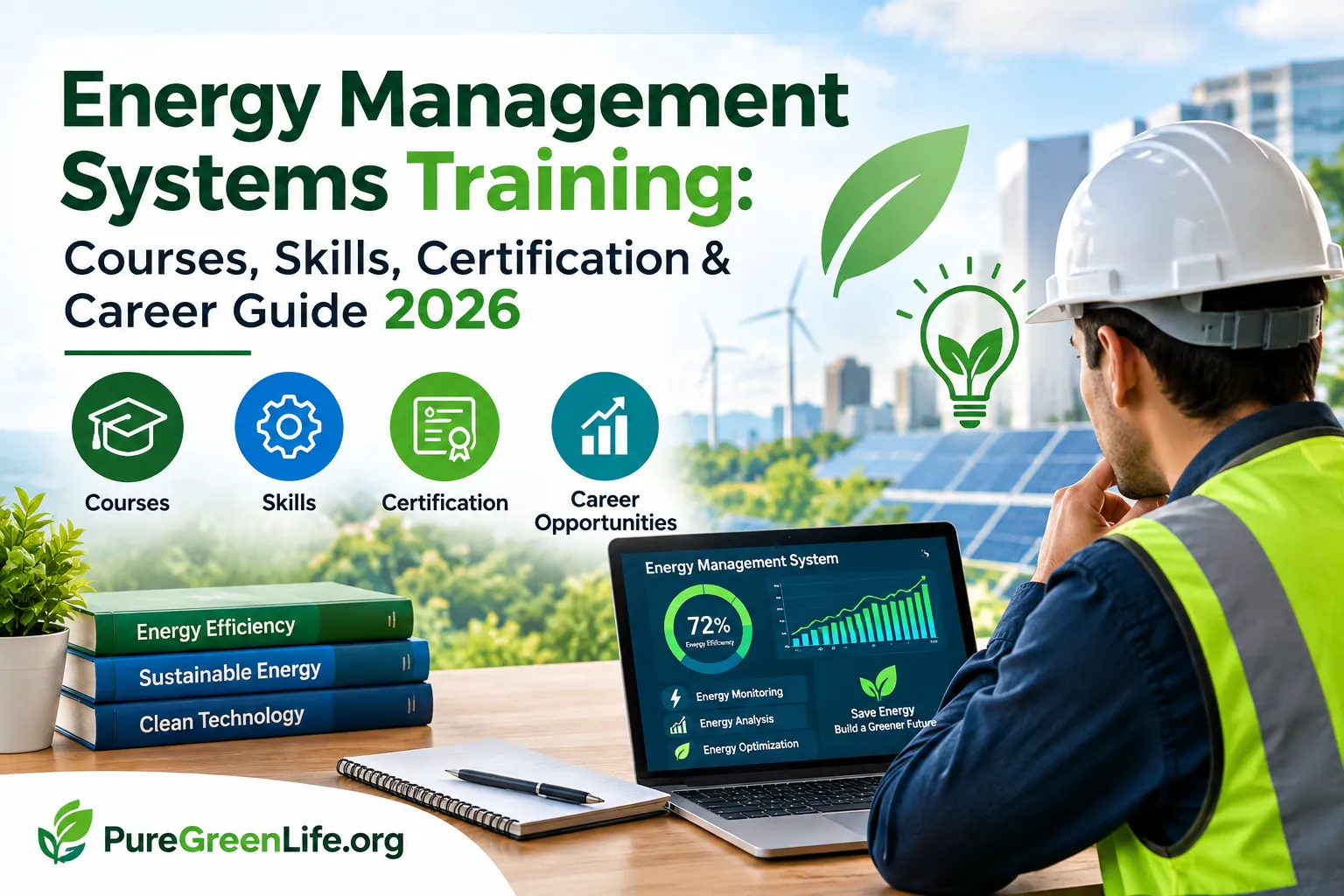
Stuck in a job that feels stagnant, while energy costs keep climbing everywhere around you? Here’s some good news. Energy management systems training could be exactly the career shift you’ve been overlooking.
Quick Answer: What Is Energy Management Systems Training?
EMS training teaches professionals how to monitor, control, and optimize energy use across buildings, factories, and facilities. It combines technical skills with cost-saving strategy. Courses typically cover energy audits, efficiency standards, and software tools used to track consumption and reduce waste in real time.
- What you learn: Energy audits, monitoring systems, efficiency strategy
- Who needs it: Facility managers, engineers, sustainability officers
- Career paths: EMS analyst, energy consultant, compliance specialist
- Certification value: Higher pay, more job security
Why Energy Management Training Matters Right Now
Companies are under serious pressure these days. Rising costs, stricter regulations, sustainability targets. All at once.
That pressure created massive demand for people who actually understand energy efficiency training.
Honestly? Most companies don’t have enough qualified people to fill these roles yet.
What Does an Energy Management Systems Course Actually Cover?
This isn’t just theory stuffed into boring lectures. Good programs mix practical skills with real-world application.
Core Topics in Most EMS Training Programs
- Energy auditing techniques
- Building automation systems
- Data analysis and monitoring software
- Regulatory compliance standards
- Renewable energy integration basics
Some courses also include hands-on labs using actual monitoring equipment. That part matters more than people realize.
Essential Energy Management Skills You’ll Need
Technical knowledge alone won’t cut it. You need a mix, honestly.
Hard Skills
- Data analysis for tracking consumption patterns
- Software proficiency in energy management platforms
- Technical understanding of HVAC and electrical systems
Soft Skills
- Problem-solving under budget constraints
- Communication for presenting findings to non-technical teams
- Project management for implementing changes efficiently
Companies want people who can crunch numbers and explain them clearly. That combination is rarer than you’d think.
Energy Management Certification: Is It Worth It?
Short answer? Usually, yes.
Certified professionals often earn noticeably more than non-certified peers in similar roles. Employers see certification as proof you actually know your stuff.
Popular Certification Options
- Certified Energy Manager (CEM)
- ISO 50001 Lead Implementer
- LEED Green Associate
- Building Energy Assessment Professional (BEAP)
Each one targets slightly different career paths, so picking the right one depends on your end goal.
How Long Does EMS Training Actually Take?
Depends entirely on the path you choose. Some courses wrap up in weeks.
Others, especially full certification programs, can take several months. It really varies based on depth and prior experience.
Most working professionals manage part-time online courses alongside their current job, which honestly makes the transition less overwhelming.
Career Opportunities After Energy Management Training
This field isn’t niche anymore. It’s expanding fast, across multiple industries simultaneously.
Common Job Titles You’ll Qualify For
- Energy Management Analyst
- Sustainability Coordinator
- Facility Energy Manager
- Energy Efficiency Consultant
- Building Performance Engineer
Manufacturing, commercial real estate, government agencies. They’re all hiring for these roles right now.
Who Should Consider Energy Management Training?
You don’t need an engineering degree necessarily. Though it definitely helps.
Ideal Candidates Include
- Facility and building managers
- HVAC technicians looking to specialize
- Sustainability-focused professionals
- Engineers seeking a career pivot
If numbers, systems, and problem-solving genuinely interest you, this field fits naturally.
Is This Career Path Actually Future-Proof?
Pretty much, yes. Energy regulations keep tightening worldwide, not loosening.
Buildings and factories will always need people monitoring consumption and cutting waste. That demand isn’t disappearing anytime soon.
If anything, it’s accelerating as sustainability becomes a legal requirement rather than just good PR.
Conclusion
Energy management systems training opens doors in a genuinely growing, stable industry. The skills you gain translate directly into higher pay and real job security. Certification adds credibility that employers actively look for.
So, is this the career shift you’ve been waiting to finally make?
Visit puregreenlife.org for more expert guides on energy efficiency, sustainability, and smart career paths in this field.









One thought on “Energy Management Systems Training in 2026: The Career Path Nobody Told You About”