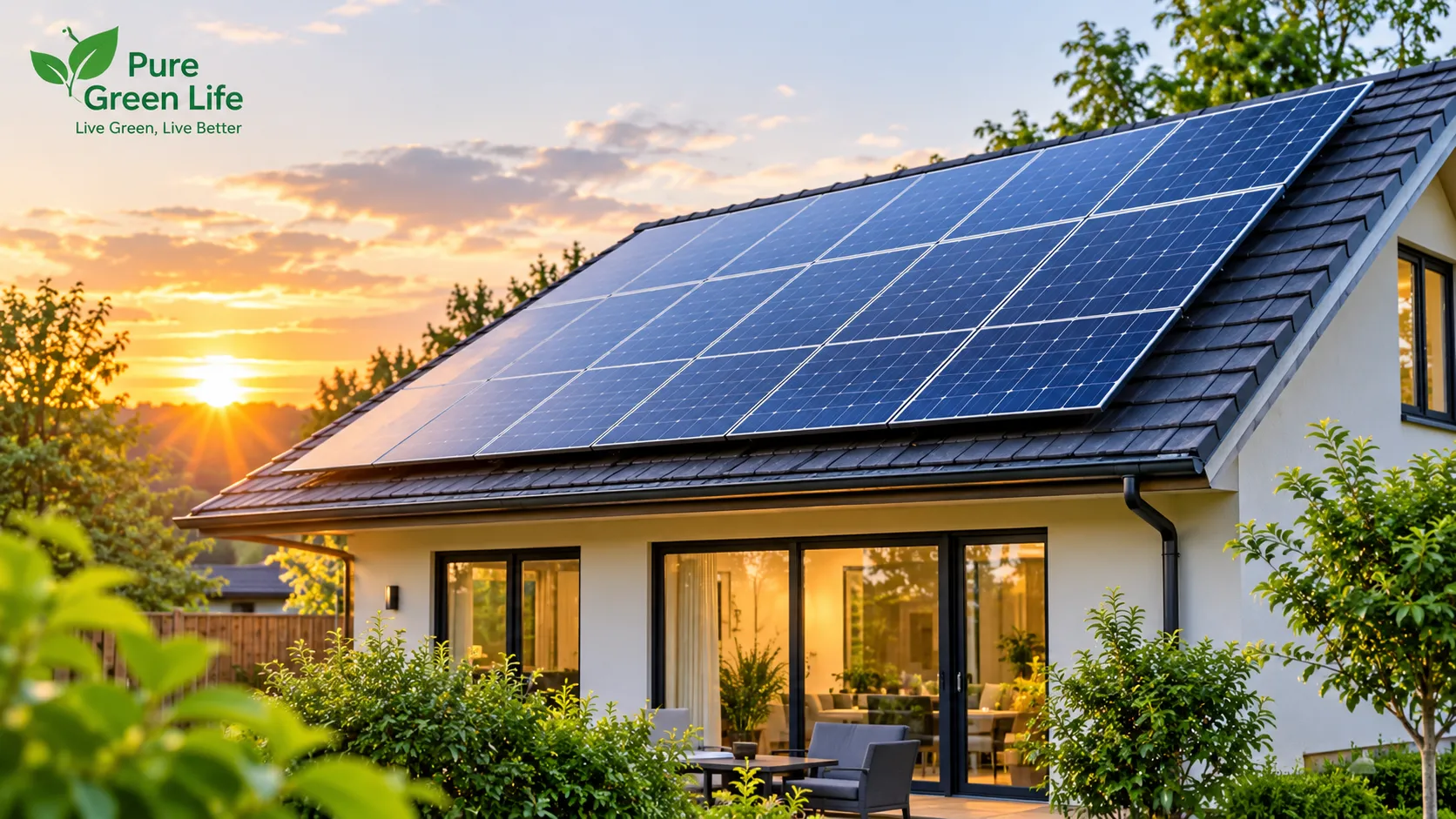
Choosing the best solar panels is an important step when planning a home solar system. The right panels can help reduce electricity bills and provide reliable power for many years. However, solar panels differ in efficiency, durability, technology, and price. Therefore, buyers should compare several features before making a decision.
In 2026, many manufacturers offer advanced solar panels for residential use. Some focus on high efficiency, while others provide a good balance between price and performance. This guide explores seven solar panel brands worth considering. It also explains what to check before choosing panels for your home.
What Are the Best Solar Panels in 2026?
There is no single solar panel that works best for every home. Your choice depends on roof space, local weather, electricity needs, and budget. For example, high-efficiency panels can help when roof space is limited. Meanwhile, affordable models may provide better value when enough roof space is available.
The following brands are worth comparing when planning a residential solar installation.
1. Maxeon Solar Panels
Maxeon is known for premium solar technology and high-efficiency panels. Its back-contact cell design places electrical contacts on the rear side of the cells. This design helps improve sunlight absorption and supports strong energy production.
Some Maxeon models offer efficiency above 24%, depending on the product range. The company also offers long product and performance warranties on selected panels. However, availability and warranty conditions vary by country. Maxeon can be a good option for homeowners who want premium performance and have limited roof space.
2. REC Solar Panels
REC is another well-known manufacturer in the residential solar market. Its Alpha series uses heterojunction technology, also called HJT. This technology combines different silicon layers to support efficient energy production.
REC panels are worth considering in warmer regions because some models offer good temperature performance. The REC Alpha Pure-RX is one product range buyers can compare. However, actual electricity production depends on installation conditions, sunlight, and the selected model. REC may suit homeowners who want efficient panels for long-term use.
3. Qcells Solar Panels
Qcells offers residential solar panels with a focus on efficiency and practical value. Its Q.TRON range uses advanced N-type cell technology. These panels are designed for homeowners who want modern solar features without automatically choosing the most expensive products.
Qcells also has an established presence in several solar markets. This can make it easier to find product information and local suppliers. Still, available models and warranty support differ between countries. Compare the exact panel specifications before purchasing.
4. Canadian Solar Panels
Canadian Solar manufactures panels for residential, commercial, and large-scale solar projects. Its product range includes TOPCon technology, which is used in many newer solar modules. The company offers different panel sizes and power ratings for various installation needs.
This range can help buyers compare products according to their roof space and energy requirements. However, the highest wattage panel is not always the best choice for every home. Check its dimensions, efficiency, and compatibility with your inverter before making a decision.
5. LONGi Solar Panels
LONGi is a major solar manufacturer known for developing advanced photovoltaic technology. Its Hi-MO series includes different panel designs for residential and commercial installations. Some newer products use back-contact technology to support high efficiency.
LONGi panels are worth comparing when roof space and energy production are important. However, specifications can change between product generations. Always check the official datasheet for the exact model available in your market.
6. JinkoSolar Panels
JinkoSolar is a popular manufacturer with a broad range of solar products. Its Tiger Neo series uses N-type TOPCon technology. These panels are available in different power ratings and configurations.
JinkoSolar products can be considered for home and commercial solar systems. Their prices and availability depend on local distributors. Therefore, buyers should check product authenticity and warranty support before placing an order. Buying through an authorized supplier can also make future warranty claims easier.
7. Trina Solar Panels
Trina Solar produces panels for residential and commercial applications. Its Vertex S+ range is designed for suitable rooftop installations, while other Vertex products serve larger projects. Some models use N-type TOPCon technology for improved panel performance.
Trina offers different panel sizes and power ratings. This gives homeowners more options when planning a rooftop system. However, check the panel dimensions and electrical specifications before choosing a model. A suitable panel should fit the roof layout and work with the selected inverter.
Important Factors to Consider Before Buying Solar Panels
Solar panel efficiency is one of the first features buyers should compare. It describes how much sunlight a panel converts into electricity. Higher efficiency can produce more power from the same roof area. However, a lower-priced panel with slightly lower efficiency may offer better overall value when roof space is not limited.
Power output is another important factor. Solar panels are rated in watts, but a higher wattage does not automatically mean better performance. Compare the panel’s dimensions, efficiency, and expected energy production. Also, make sure the selected panels are compatible with your inverter and system design.
Warranty coverage matters because solar panels are a long-term investment. A product warranty covers certain manufacturing defects, while a performance warranty describes the expected power output over time. Many quality residential panels offer warranties around 25 years or longer. However, always read the exact terms and conditions.
Temperature performance is especially important in hot regions. Solar panels can lose some output as their temperature increases. Check the temperature coefficient in the manufacturer’s datasheet. A less negative value generally means the panel loses less power as temperatures rise.
Finally, consider durability and weather resistance. Panels must handle outdoor conditions such as rain, wind, heat, and changing temperatures. Check the manufacturer’s testing information and choose a mounting structure suitable for your local weather.
Which Solar Panel Technology Is Best?
Monocrystalline panels are widely used in modern home solar systems. They use silicon cells and generally offer good efficiency. TOPCon is an advanced cell technology used in many newer solar modules. It can provide strong performance and is available from several major manufacturers.
Heterojunction technology, or HJT, combines different silicon layers to support efficient energy production. Back-contact panels place electrical contacts behind the cells, helping reduce shading from front-side contacts. Each technology has its own benefits, so compare actual product specifications instead of choosing based only on a technology name.
How to Choose the Right Solar Panels for Your Home
Start by reviewing your electricity bills to understand your household’s average energy use. Next, check your available roof space and sunlight exposure. Trees, nearby buildings, roof direction, and shading can all affect solar production.
After that, compare complete installation quotes from experienced installers. Ask about the panels, inverter, mounting structure, wiring, installation charges, and after-sales support. Also, confirm the exact panel model and warranty with the supplier.
Do not choose a system based only on its lowest price. A properly designed system with reliable components can provide better long-term value. A qualified installer can help you select panels that match your roof and electricity needs.
Common Mistakes to Avoid When Buying Solar Panels
One common mistake is choosing panels only because they have a high wattage rating. Buyers should also compare efficiency, dimensions, temperature performance, and warranty coverage. Another mistake is purchasing from a supplier who cannot verify product authenticity.
Some homeowners also overlook installation quality and after-sales service. Even good solar panels can perform poorly when the system is designed or installed incorrectly. Therefore, check the installer’s experience and understand the warranty process before signing an agreement.
Conclusion
The best solar panels in 2026 depend on your energy needs, roof space, climate, and budget. Maxeon and REC are worth considering for premium performance. Meanwhile, Qcells, Canadian Solar, LONGi, JinkoSolar, and Trina Solar offer other options across different markets and price levels.
Before making a decision, compare efficiency, temperature performance, warranty terms, and the complete installation cost. Most importantly, choose a reliable installer who can design a system for your home.
For more helpful guides on solar energy, renewable technology, and sustainable living, visit Pure Green Life.
Frequently Asked Questions
Which brand makes the best solar panels in 2026?
Maxeon, REC, Qcells, Canadian Solar, LONGi, JinkoSolar, and Trina Solar are worth comparing. The best option depends on your budget, location, and available models.
What is the most important feature of a solar panel?
Efficiency, power output, temperature performance, durability, and warranty are all important. Compare these features together rather than focusing on one specification.
Are high-efficiency solar panels worth buying?
They can be useful when roof space is limited. However, compare their extra cost with the expected energy production before purchasing.
How long do solar panels usually last?
Many modern solar panels are designed to operate for 25 years or longer. Their actual service life depends on product quality, installation, and environmental conditions.
Which solar panels are suitable for hot climates?
Panels with a less negative temperature coefficient may perform better in hot conditions. Compare the manufacturer’s datasheets to identify suitable models.