
What Is a Solar Charger?
A solar charger uses sunlight to generate electricity for electronic devices. It uses solar panels to convert sunlight into electrical energy. Some models also store energy in a built-in battery. You can use solar chargers for phones, power banks, and laptops.
How Does a Solar Charger Work?
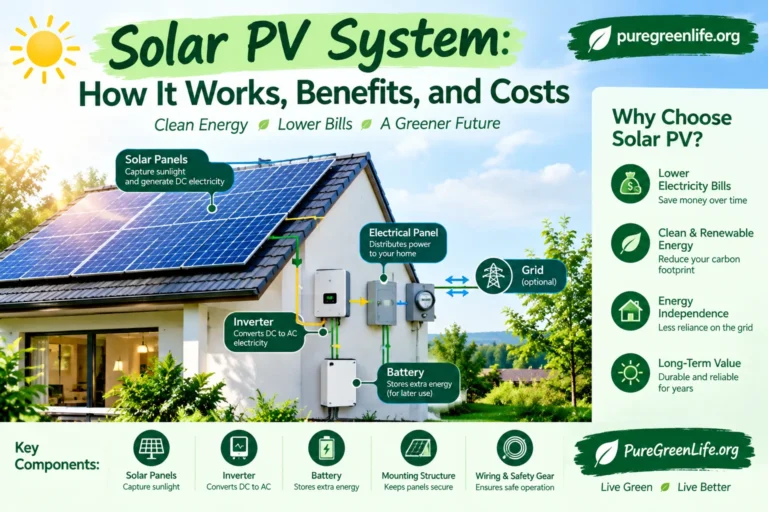
A solar charger uses solar panels to convert sunlight into electricity. The panels contain photovoltaic cells that produce electrical current. That electricity can charge compatible devices through suitable charging ports. Some models store electricity in batteries for later charging. Stronger sunlight usually helps solar panels produce more electricity.
Best Solar Charger for Laptop
The best option depends on your laptop’s power needs and charging port.
1. Portable Solar Chargers
Portable solar chargers are useful for travel and outdoor laptop charging. Choose models with enough power for your laptop’s charging requirements.
2. Solar Panels With Power Banks
These systems combine solar panels with rechargeable batteries for stored power. They can charge laptops when sunlight is unavailable later.
3. Foldable Solar Chargers
Foldable chargers are easy to carry and store during travel. Higher-wattage models can provide more suitable power for laptops.
4. Solar Generators for Laptops
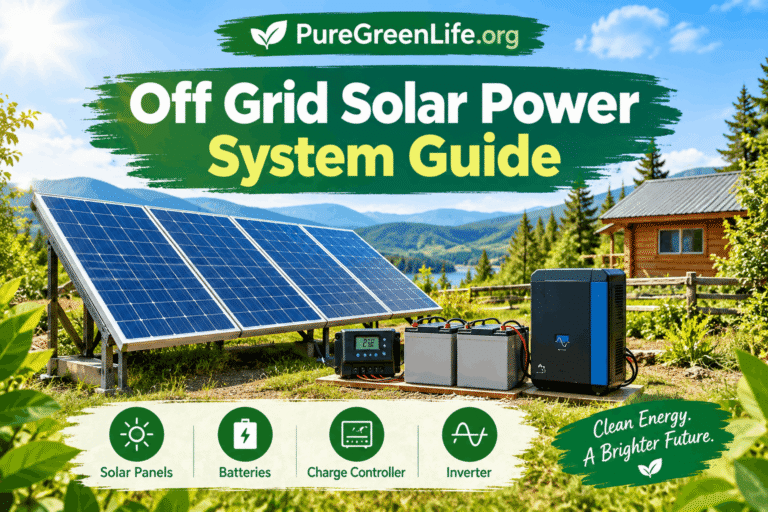
Solar generators combine batteries, inverters, and charging ports in one system. They can power laptops and other devices during outages or trips.
Best Solar Chargers for Smartphones
Solar chargers can help keep smartphones powered during travel or outages. Solar panels convert sunlight into electrical energy.
Portable Solar Phone Chargers
Portable chargers are lightweight and easy to carry outdoors. They connect with smartphones through compatible charging ports. Their charging speed depends on sunlight and panel performance.
Solar Power Banks
Solar power banks combine a battery with solar charging. They can store electricity for charging phones later. However, small built-in panels usually charge batteries slowly.
Foldable Solar Panels
Foldable panels provide more surface area for capturing sunlight. They are easy to pack for camping and travel. Choose models with suitable USB or USB-C charging outputs.
What to Look for in a Solar Charger
Choose a solar charger based on your device and charging needs. Check these features before buying or using a solar charger.
Power Output
Choose enough power for your smartphone or laptop. Higher power output can support devices with larger charging needs.
USB and USB-C Ports
Check which charging ports your devices require. USB-C can support higher power with compatible chargers and devices.
Battery Capacity
A larger battery can store more energy for later use. This helps when sunlight is unavailable for some time.
Portability
Choose a lightweight design if you travel frequently. Foldable models can make carrying and storage easier.
Charging Speed
Charging speed depends on available sunlight and charger output. Clouds and weaker sunlight can reduce solar power production.
Durability
Choose a charger designed for outdoor conditions. Weather-resistant construction can help protect equipment from environmental exposure.
Can a Solar Charger Charge a Laptop?
Yes, some solar chargers can charge laptops directly. The charger must provide enough power for the laptop’s charging requirements. Larger solar panels can produce more electricity than smaller panels. Sunlight strength also affects how much electricity the panels produce. For easier charging, some systems store solar energy in batteries.
Can a Solar Charger Charge a Smartphone?
Yes, solar chargers can charge smartphones using sunlight. Charging speed depends on sunlight and the charger’s power output. Cloudy weather and shade can reduce charging performance. Some solar chargers store energy in built-in batteries for later use.
Solar Charger vs Traditional Power Bank
A solar charger uses sunlight to generate electricity for your devices. A traditional power bank stores electricity and needs another source to recharge. Solar chargers work well outdoors when sunlight is available. Power banks usually provide more reliable charging when already charged. Some solar power banks combine both features in one device.
Benefits of Using Solar Chargers
Solar chargers use sunlight to produce electricity for compatible devices. They can provide useful charging during outdoor trips and emergencies. They reduce the need for traditional electricity sources when sunlight is available. Solar energy produces no direct greenhouse gas emissions during operation. Many solar chargers are portable and easy to carry.
Limitations of Solar Chargers
Solar chargers depend on sunlight to produce electricity for your devices. Cloudy weather, shade, and dirt can reduce their power output. They may charge devices more slowly than traditional power sources. Solar panels also produce no electricity at night without stored energy. High temperatures can reduce solar cell performance and power output.
Tips for Using a Solar Charger Efficiently
Place the solar panel where it receives strong, direct sunlight. Keep the panel clean to reduce losses from dirt and dust. Avoid shade because it can reduce solar power production. Keep the charger away from excessive heat when possible. Charge devices during periods with stronger sunlight for better results.
Are Solar Chargers Worth It?
Solar chargers can be useful for travel, camping, and emergency charging. They work best when you have regular access to strong sunlight. Charging can become slower during cloudy weather or shaded conditions. They can reduce your reliance on traditional electricity sources outdoors. Choose one based on your device, power needs, and usage habits.
Frequently Asked Questions
What is the best solar charger for laptop use?
Choose a charger that matches your laptop’s required power and charging port. Higher-wattage panels can provide more power for compatible laptops.
Can a solar charger charge any laptop?
No, solar chargers cannot charge every laptop. The charger must support your laptop’s voltage, connector, and power needs.
How many watts does a laptop solar charger need?
The required wattage depends on your laptop’s charging requirements. Check your laptop charger for its power rating before choosing.
Can solar chargers charge phones quickly?
Solar chargers can charge phones quickly under strong sunlight and suitable output. Clouds, shade, and lower output can make charging slower.
Do solar chargers work without direct sunlight?
Solar panels can produce electricity from indirect sunlight, but output decreases. Clouds and shade can reduce the available solar energy significantly. Solar chargers cannot generate electricity from sunlight at night.
Final Thoughts on Solar Chargers
Solar chargers can provide useful power during travel and emergencies. Choose one that matches your device’s power requirements. Good sunlight helps solar chargers work more effectively.