What Is DIY Rainwater Harvesting for a Garden?
DIY rainwater harvesting means collecting rainwater for your garden. You can collect water from your roof using gutters. The water flows into a barrel or storage tank. You can then use it to water your plants.
How Does a Rainwater Harvesting System Work?
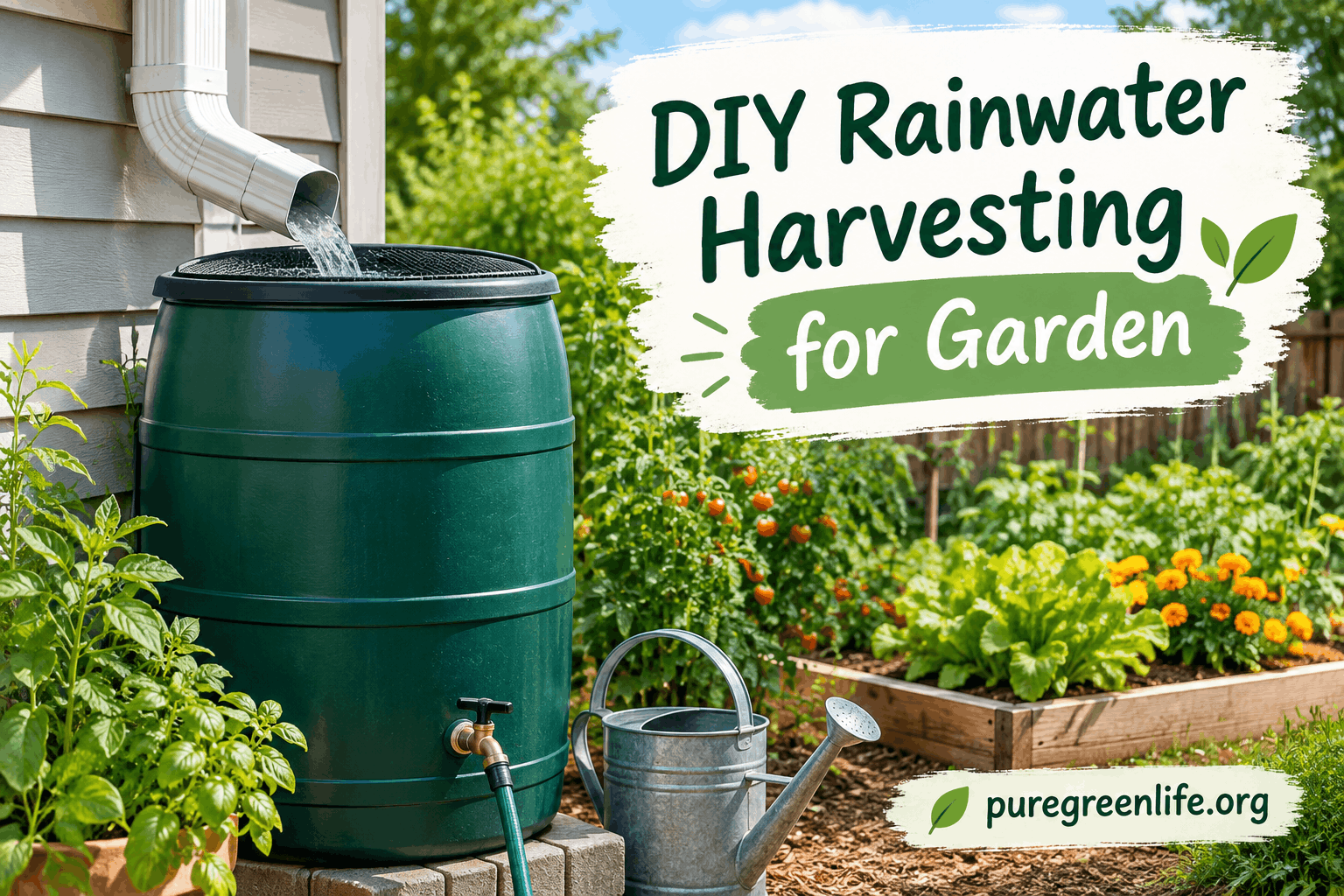
Rain falls onto your roof and flows into the gutters. The gutters direct water through a downspout into storage. A screen can remove leaves and larger debris from water. The water collects inside a rain barrel or storage tank. You can later use stored water for watering your garden. An overflow outlet safely redirects extra water when tanks fill.
Benefits of Rainwater Harvesting for Home Gardens
Rainwater harvesting helps you collect water for garden use. It can reduce your use of treated tap water outdoors. Stored rainwater can help during dry periods between rainfall. It also reduces some roof runoff entering drains and waterways. A rain barrel gives you an easy way to reuse rainfall. You can use collected water for plants, lawns, and gardens.
What Do You Need for a DIY Rainwater Harvesting System?
You need a few basic parts for a simple garden system.
- A roof or other suitable surface collects rainwater.
- Gutters and downspouts carry water toward your storage container.
- A screen helps keep leaves and debris out.
- A rain barrel or tank stores the collected water.
- An overflow outlet safely handles extra water when full.
- A tap or hose lets you use water in your garden.
How to Build a DIY Rainwater Harvesting System for Your Garden
Building a simple rainwater harvesting system does not require expensive equipment. You can start with a roof, gutters, and a rain barrel. Follow these simple steps to collect rainwater for your garden.
1. Choose the Right Rainwater Collection Area
Start by choosing a suitable roof for collecting rainwater. A larger roof can collect more water during rainfall. Make sure the roof drains into a working gutter system. Avoid collecting water from surfaces that may contain harmful chemicals. Also, check local rules before installing a larger collection system.
2. Install or Use Gutters and Downspouts
Gutters collect rainwater as it runs off your roof. Downspouts then carry the water toward your storage container. Make sure gutters are clean before connecting your system. Remove leaves, dirt, and other debris from the gutters. Check the downspouts for blockages or damaged sections. Proper water flow helps prevent leaks and unnecessary overflow.
3. Add a Rainwater Filter or Screen
Place a screen over the barrel or tank inlet. The screen helps keep leaves and larger debris out. It can also help prevent insects from entering the container. Choose a screen that fits securely over the opening. Clean the screen regularly because debris can block water flow.
4. Choose a Suitable Rain Barrel or Storage Tank
Choose a container that provides enough storage for your garden. A small garden may only need one rain barrel. Larger gardens may need several barrels or a larger tank. Use a strong container designed for storing rainwater. Place the barrel on a stable and level surface. A full barrel becomes very heavy and needs proper support.
5. Connect the Downspout to the Storage Container
Connect the downspout to your rain barrel or storage tank. You can use a downspout diverter or suitable connecting pipe. Make sure the connection stays secure during heavy rainfall. Check around the connection for leaks after installation. Water should flow smoothly into the storage container.
6. Add an Overflow System
Your storage container needs a safe way to handle extra water. Rain can quickly fill a barrel during heavy storms. Install an overflow outlet near the top of the container. Direct overflow water away from your home’s foundation. You can also guide it toward a suitable garden area.
Keep the overflow path clear so water can drain properly.
7. Use the Collected Rainwater in Your Garden
Use stored rainwater to water suitable garden plants. A watering can makes small gardens easy to manage. You can also connect a hose to the barrel’s tap. Use the stored water regularly to create space for new rainfall. Keep the container covered and maintain its screen. Do not use untreated rain barrel water for drinking. For edible plants, avoid spraying untreated stored water directly onto leaves. Instead, apply the water to the soil around the plants.
Best Rainwater Harvesting Systems for Small Gardens
Small gardens usually need simple rainwater harvesting systems.
1. Rain Barrel
A rain barrel works well for most small gardens. It collects roof water through gutters and downspouts. You can use this water for garden plants.
2. Two Rain Barrels
Two barrels provide more storage than one barrel. Connect them to collect and store extra rainwater.
3. Compact Water Tank
A small tank stores more water than a rain barrel. It works well for gardens with higher water needs.
4. Rain Barrel With Screen
A screen keeps leaves and debris out of the barrel. It also helps keep insects from entering the container. Choose a system based on your garden size and water needs.
How Much Rainwater Can You Collect for Your Garden?
Rainwater collection depends on rainfall and your roof size. A 50-gallon barrel works well for many small gardens. You can add more barrels when you need extra storage.
How to Store Rainwater Safely
Use a covered container with a secure inlet screen. Keep the barrel on a stable, level surface.
Never drink untreated rainwater from your barrel.
How to Maintain a DIY Rainwater Harvesting System
Clean gutters and screens regularly to remove debris. Check pipes, connections, and overflow outlets for leaks. Use stored water regularly to create space for rainfall.
Best Plants to Water With Collected Rainwater
Rainwater works well for flowers, shrubs, trees, and lawns. Water plants near their roots instead of spraying leaves. Use caution when watering edible plants with untreated rainwater.
Common Mistakes to Avoid When Harvesting Rainwater
Do not leave barrels uncovered or poorly screened. Do not place full barrels on unstable surfaces. Keep overflow water away from your home’s foundation. Never use untreated rainwater for drinking.
Is Rainwater Good for Vegetable Gardens?
Rainwater can help water vegetables, but use it carefully. Roof runoff can pick up bacteria and chemicals from roofing materials. Avoid spraying untreated rainwater directly onto edible plant parts. Instead, water the soil around the plant roots. Use clean tap water when rainwater safety becomes a concern.
DIY Rainwater Harvesting vs. Using Tap Water
Rainwater harvesting can reduce your use of treated tap water. It also provides free water for outdoor garden use. Tap water offers a more consistent water supply. It also follows established treatment standards for drinking water. Rainwater depends on rainfall and available storage space. Both options can support healthy gardens when used properly.
Frequently Asked Questions About DIY Rainwater Harvesting for Garden
Can I collect rainwater without gutters?
Yes, you can collect rainwater without gutters. However, gutters make collection easier and more efficient.
How do I make a simple rainwater harvesting system at home?
Use a roof, gutter, downspout, and covered rain barrel. Add a screen to keep leaves and insects out.
Is rainwater safe for watering garden plants?
Rainwater can water many outdoor plants safely. Avoid letting untreated rainwater touch edible plant parts.
How much rainwater can a rain barrel collect?
Many household rain barrels hold about 50 to 55 gallons. The actual collection also depends on rainfall and roof size.
What size rain barrel is best for a home garden?
Choose a barrel based on your garden and available rainfall. A 50 to 55-gallon barrel suits many small gardens.
How do I keep mosquitoes out of a rain barrel?
Keep the barrel tightly covered with a secure screen. Use stored water regularly and prevent standing water nearby.
How often should I clean my rainwater harvesting system?
Clean gutters and screens regularly to remove leaves and debris. Clean the barrel when you notice dirt, algae, or buildup.
Can I use collected rainwater for vegetables and herbs?
Use untreated rainwater carefully around edible plants. Avoid letting the water touch vegetables, fruits, or herbs directly.
Final Thoughts on DIY Rainwater Harvesting for Garden
DIY rainwater harvesting provides extra water for your garden. A simple rain barrel can collect useful rainwater. Keep your system clean, covered, and properly maintained. Use stored water regularly and manage overflow safely.