What Is Renewable Energy?
Renewable energy comes from natural sources that replenish themselves over time. These sources can provide electricity, heating, cooling, and transportation energy. Unlike fossil fuels, renewable sources do not depend on limited fuel supplies.
Common Renewable Energy Sources
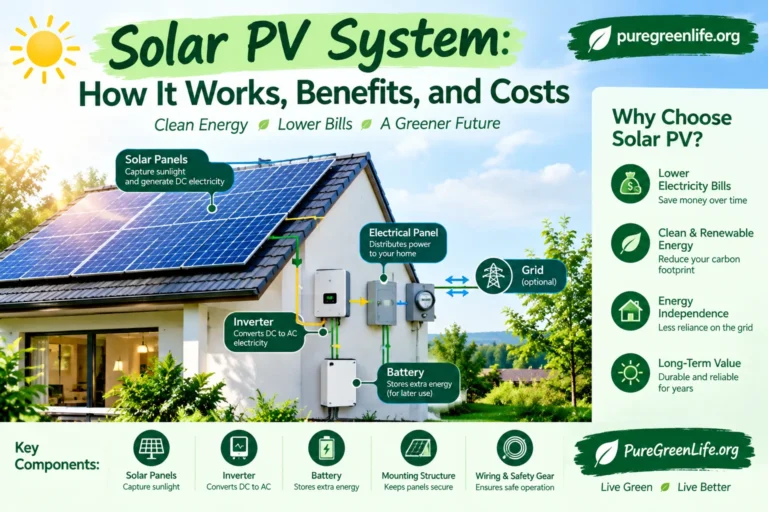
Solar Energy: Solar panels capture sunlight and convert it into electricity.
Wind Energy: Wind turbines use moving air to generate electricity.
Hydropower: Moving water turns turbines that generate electricity.
Geothermal Energy: Geothermal systems use heat from inside the Earth.
Biomass Energy: Biomass uses organic materials, such as plants and waste. These sources can help provide energy while reducing reliance on fossil fuels.
Why Is Renewable Energy Important?
Renewable energy can help reduce emissions from electricity and other energy uses. It can replace some fossil fuel use with cleaner energy sources.
Lower Emissions
Solar and wind power produce electricity without burning fossil fuels. Using more renewable electricity can reduce emissions from power generation. The IEA reports that clean technologies already avoid billions of tonnes of emissions.
Cleaner Energy Production
Renewable sources produce energy from sunlight, wind, water, and other resources. They can reduce the need for fossil fuels in electricity generation. This helps make the energy system cleaner over time.
Long-Term Energy Sustainability
Renewable sources can naturally replenish, unlike finite fossil fuel resources. Solar and wind resources can support energy production for many years. Renewable energy capacity continues expanding across many countries worldwide. A balanced energy system can combine renewables with storage and other technologies.
How to Advocate for Renewable Energy
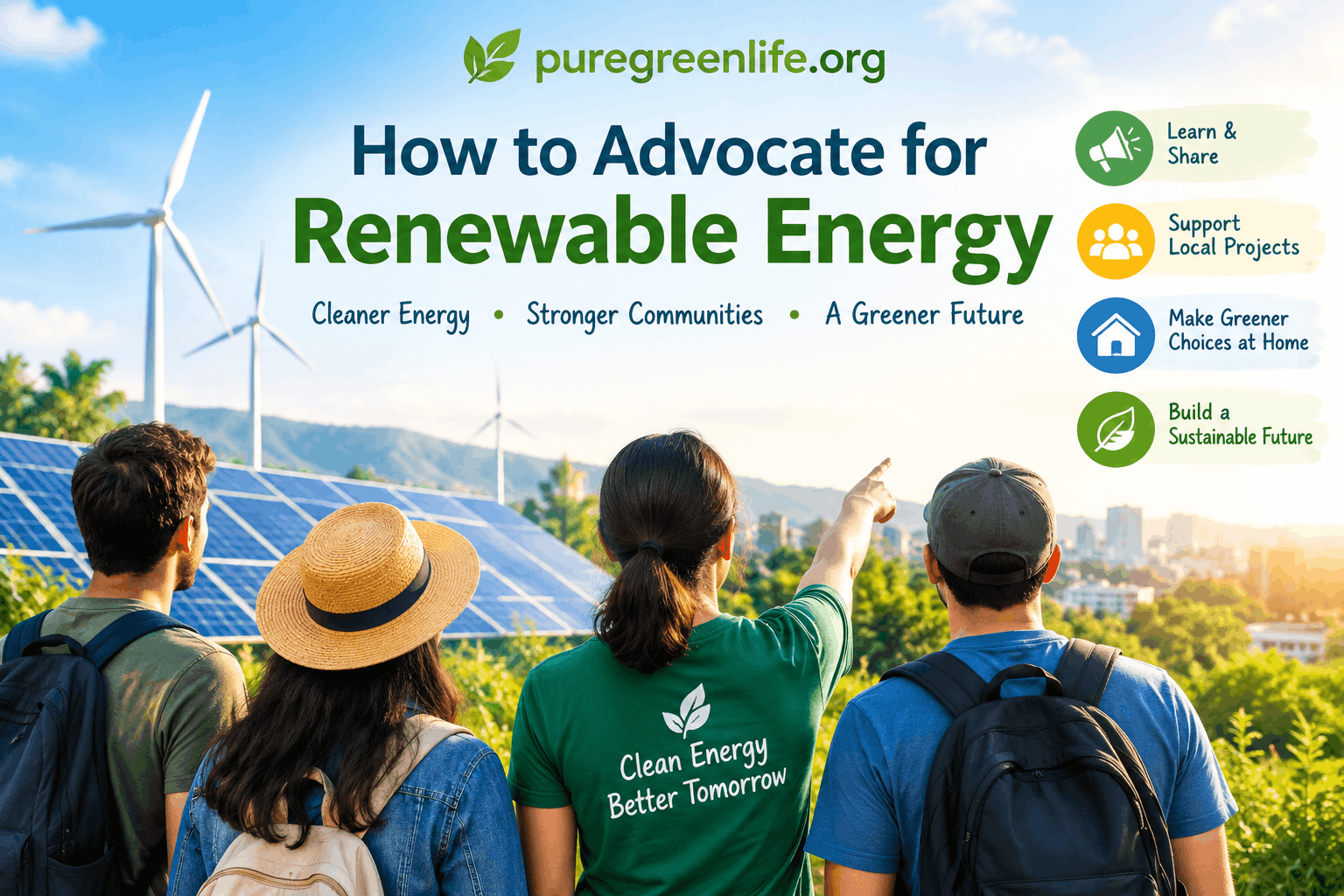
Advocating for renewable energy starts with learning and sharing reliable information. You can also support local projects and discuss clean energy with others. Small actions can help people understand renewable energy and its benefits.
Learn About Renewable Energy
Start by learning how solar, wind, and hydropower systems work. Use reliable sources from energy agencies and research organizations. Understanding the facts helps you explain renewable energy more clearly.
Share Accurate Information
Share information from trusted sources instead of unverified social media posts. Check important claims before sharing them with other people. Accurate information helps communities make informed energy decisions.
Talk With Your Community
Discuss renewable energy with friends, neighbors, schools, and community groups. Listen to different views and answer questions using reliable information. Community participation can improve clean energy planning and project development.
Support Clean Energy Projects
Learn about renewable energy projects planned in your local area. Community solar projects can give multiple customers access to solar power. You can attend public meetings and share informed feedback.
Encourage Renewable Energy at Home
Talk with your household about practical renewable energy options. Depending on your location, solar power may be an available option. Compare costs, local rules, and system requirements before making decisions.
Support Renewable Energy Programs
Learn about renewable energy programs available through local authorities or organizations. Some programs provide funding, technical support, or community energy resources. Choose programs that match your needs and local energy goals.
Reduce Unnecessary Energy Use
Saving energy supports cleaner and more efficient energy use. Turn off lights and devices when you do not need them. Use efficient appliances and avoid wasting electricity whenever possible. Energy efficiency can reduce energy demand and lower unnecessary energy use.
How Communities Can Support Renewable Energy
Communities can support renewable energy through education, projects, and local businesses. People can work together to increase awareness and support clean energy options.
Community Solar Projects
Community solar allows multiple customers to benefit from one solar project. People can join shared solar programs when local options are available. These projects can help people access solar without rooftop panels.
Local Awareness Programs
Communities can organize workshops, talks, and educational programs about renewable energy. These activities can help residents understand solar and other clean technologies.
Local groups can also share information from trusted energy sources.
Clean Energy Events
Clean energy events can bring residents, businesses, and experts together. Events can include talks, demonstrations, workshops, and community discussions. These activities can help people learn about renewable energy options.
Support for Renewable Energy Businesses
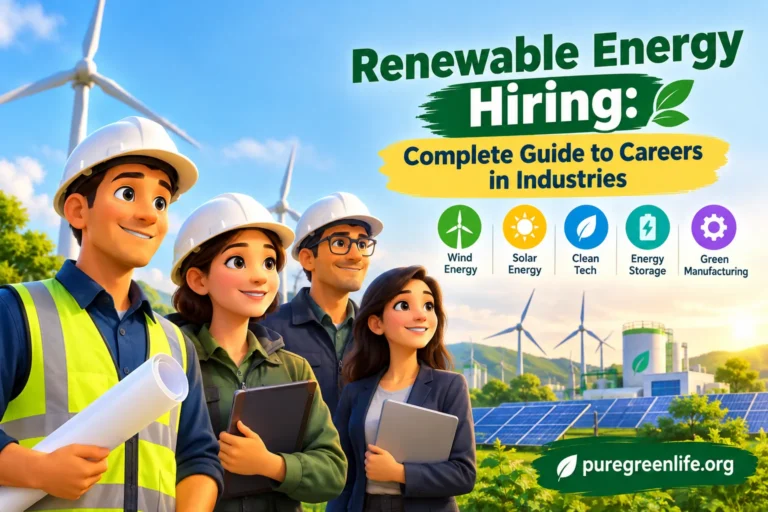
Communities can support local businesses that provide renewable energy products and services. These businesses may include solar installers, equipment suppliers, and energy consultants. Local clean energy activity can also support jobs and workforce development.
How to Promote Renewable Energy at Home
You can support renewable energy through simple choices at home. Start by saving energy before adding new renewable energy systems.
Consider Solar Power
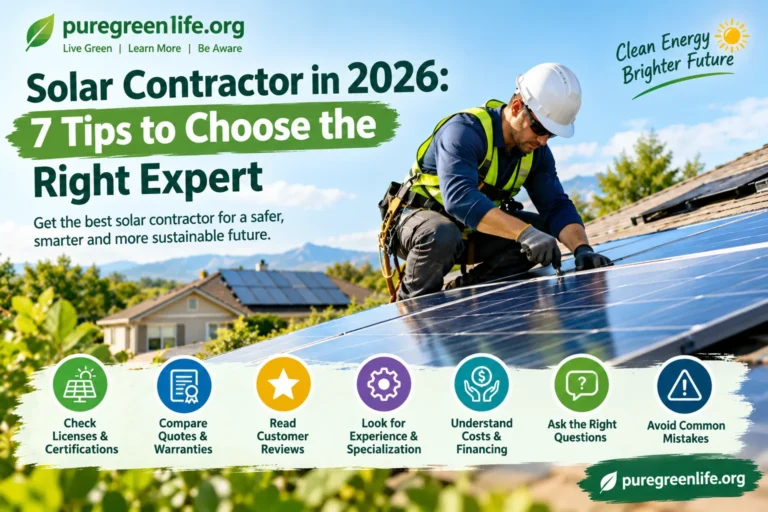
Solar panels can generate electricity from sunlight for your home. First, check your roof, sunlight, electricity needs, and local requirements. A qualified installer can help assess your home’s solar potential.
Use Energy-Efficient Appliances
Choose energy-efficient appliances when replacing older household equipment. Efficient appliances can help reduce the electricity your home needs. Look for recognized energy-efficiency labels when shopping for new appliances.
Reduce Electricity Waste
Turn off lights and devices when you do not need them. Avoid leaving appliances running when nobody uses them. Small energy-saving habits can reduce unnecessary household electricity use.
Track Household Energy Use
Check your electricity bills regularly to understand your energy consumption. Look for months when your household uses more electricity. Tracking usage can help identify opportunities for energy savings.
Benefits of Renewable Energy Advocacy
Renewable energy advocacy can help people understand clean energy options better. It can also encourage informed discussions about energy choices and local projects.
Greater Public Awareness
Sharing accurate information helps more people understand renewable energy. People can learn how solar, wind, and hydropower systems work. Better awareness can support informed decisions about energy use.
More Clean Energy Adoption
Public support can help communities learn about available renewable energy options. Renewable energy adoption continues growing in many countries worldwide. In 2025, renewable capacity additions reached a record 800 gigawatts globally.
Support for Sustainable Communities
Renewable energy can support communities seeking cleaner energy systems. Local projects can also create opportunities for businesses and workers. Community involvement can help people understand proposed clean energy projects.
Reduced Reliance on Fossil Fuels
Renewable energy can replace some fossil fuel use in electricity generation. Clean energy technologies already reduce global fossil fuel demand significantly. In 2025, clean technologies avoided over 35 exajoules of fossil fuel demand.
Common Challenges in Renewable Energy Advocacy
Renewable energy advocacy can face several challenges in different communities. Understanding these challenges helps people discuss solutions more clearly.
Cost Concerns
Renewable energy projects can require significant upfront investment. Financing costs can also affect project development in some countries. Some households may struggle to afford renewable energy systems. These costs can make adoption harder for some people.
Lack of Information
People may not have enough reliable information about renewable energy. Unclear information can make energy choices harder to understand. Advocates should use trusted sources when sharing information. Clear explanations can help communities understand available energy options.
Policy Barriers
Government policies can affect how quickly renewable projects move forward. Permits and approvals can sometimes take a long time. Grid connection delays can also slow renewable energy projects. Clear and stable policies can help reduce these delays.
Limited Local Resources
Some communities have limited funding, workers, or technical support. They may also lack suitable grid infrastructure for new projects. These limits can make renewable energy projects harder to develop. Local training and stronger infrastructure can help address these challenges.
FAQs About Renewable Energy Advocacy
What Is Renewable Energy Advocacy?
Renewable energy advocacy means supporting greater use of renewable energy. It can include education, community discussions, and support for clean energy projects.
Why Is Renewable Energy Advocacy Important?
Advocacy can help people understand renewable energy and available energy options. It can also support informed discussions about local energy projects.
How Can I Advocate for Renewable Energy?
You can learn about renewable energy and share accurate information. You can also join community discussions or support local clean energy projects.
Can Renewable Energy Reduce Fossil Fuel Use?
Yes, renewable energy can replace some fossil fuel use. Renewable growth has already reduced fossil fuel import needs worldwide.
Is Renewable Energy Affordable?
Costs vary by technology, location, financing, and project conditions. Solar and wind costs have fallen significantly in recent years.
What Challenges Affect Renewable Energy Adoption?
Common challenges include financing, grid connections, supply chains, and permitting. These challenges can differ between countries and local communities.
Can Communities Support Renewable Energy?
Yes, communities can support renewable projects and share reliable information. They can also participate in local energy discussions and planning.
Can I Support Renewable Energy at Home?
Yes, you can consider options such as rooftop solar where available. You can also reduce electricity waste and improve household energy efficiency.
Final Thoughts on Renewable Energy Advocacy
Renewable energy advocacy starts with learning and sharing reliable information. You can support clean energy through simple community actions. Small steps can encourage better energy choices and reduce waste. Every community can choose solutions that fit its local needs.