
Solar energy companies help people switch to cleaner electricity. They install solar panels, provide equipment, and maintain solar systems. Some companies also offer batteries and backup power solutions. Choosing a solar company requires careful research. Prices, services, warranties, and installation quality can vary. Understanding these differences helps you make informed decisions.
This guide explains solar energy companies in simple terms. It covers their services, benefits, costs, and selection process.
What Are Solar Energy Companies?
Solar energy companies help customers generate electricity from sunlight. They provide the equipment and services needed for solar power systems. Most companies install solar panels on homes and commercial buildings. These panels convert sunlight into electricity using photovoltaic technology. The electricity can power lights, appliances, and other equipment.
Some companies also install batteries for energy storage. These batteries store electricity for later use. Customers can use stored power when solar panels produce less electricity. Solar companies may offer different services depending on their business. Some handle complete installations, while others sell solar equipment. Many also provide inspections, repairs, and system maintenance. Before choosing a company, understand exactly what it offers. This helps you find services that match your energy needs.
Services Offered by Solar Energy Companies
Solar energy companies provide several services for homes and businesses. Their main goal is to help customers use solar electricity safely. The services usually cover installation, equipment, maintenance, and energy storage. Some providers also help customers understand permits and utility requirements.
Solar Panel Installation
Solar panel installation is one of the main services offered. Companies assess the property before recommending a suitable solar system. They check the roof, sunlight exposure, and available installation space. These details help determine the system’s size and expected production.
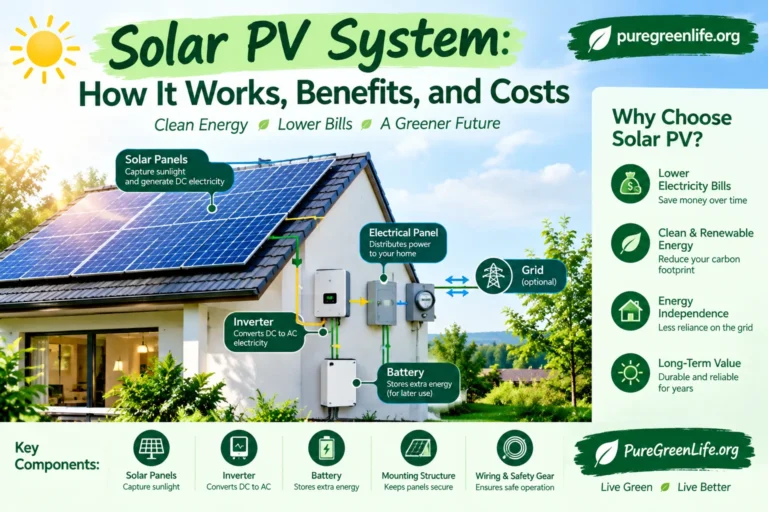
After the assessment, installers design the solar power system. They mount the panels and connect the required electrical equipment. A typical system also includes an inverter and safety components. The inverter converts solar electricity into usable household electricity. Installers then test the system before activating it. Professional installation can help prevent wiring and mounting problems. Always check the company’s qualifications before signing an agreement.
Solar System Maintenance and Repair
Solar panels need regular checks to maintain reliable performance. Most systems require less maintenance than many traditional power systems. Solar companies can inspect panels, wiring, inverters, and mounting equipment. They may also check system performance for unusual changes.
Dust, leaves, and bird droppings can reduce panel output. Cleaning may help when dirt blocks sunlight. Follow the manufacturer’s cleaning instructions to avoid damaging panels. Inverters can also develop faults or stop working. A qualified technician can identify problems and recommend repairs. Maintenance needs depend on the system and local conditions. Check your warranty before paying for repairs.
Solar Battery and Energy Storage
Solar batteries store electricity for use at another time. They can help households use more of their own solar energy. During sunny hours, solar panels may produce extra electricity. A compatible battery can store some of that energy. The household can then use it after sunset.
Battery systems can also provide backup power during outages. This depends on the equipment and system configuration. Not every solar installation includes a battery. Some customers install panels first and add storage later. Before buying a battery, consider your electricity usage. Compare its capacity, warranty, and expected operating life.
Types of Solar Energy Companies
Solar energy companies serve different customers and markets. Some focus on homes, while others serve large commercial properties. Understanding these categories makes it easier to compare providers. It also helps you find a company with relevant experience.
Residential Solar Companies
Residential solar companies install solar systems for homeowners. Their services usually focus on household electricity needs. They assess roof space, electricity bills, and sunlight exposure. Based on these details, they recommend suitable equipment.
Some companies offer complete installation and maintenance packages. Others provide panels, inverters, or batteries separately. Homeowners should compare system designs and installation warranties. A suitable system should match the household’s energy consumption.
Commercial Solar Companies
Commercial solar companies serve businesses and other large properties. Their projects may include offices, factories, warehouses, and retail buildings. These properties often consume more electricity than typical homes. Therefore, commercial systems may require larger installations.
Companies assess energy usage and available installation space. They also consider operating schedules and electrical requirements. Solar power can help businesses reduce grid electricity purchases. Actual savings depend on system costs and local electricity rates.
Businesses should request detailed proposals before choosing an installer. Compare expected production, equipment, warranties, and installation costs.
Solar Equipment Manufacturers
Solar equipment manufacturers produce components used in solar power systems. These products include panels, inverters, batteries, and mounting equipment. Manufacturers usually sell equipment through distributors and installation companies. Some also sell products directly to customers.
Choosing reliable equipment is important for long-term system performance. Check product specifications and warranty conditions carefully. A manufacturer’s warranty may cover specific product defects. It does not always cover installation problems or labor costs. Ask who handles warranty claims before purchasing equipment. Clear support arrangements can prevent problems later.
Benefits of Hiring a Solar Energy Company
A solar energy company can help simplify the installation process. Professional support may also reduce certain technical and safety risks. The benefits depend on the company and chosen system. Customers should compare services instead of assuming every provider offers everything.
H3 #1: Lower Electricity Bills
Solar panels can reduce the electricity purchased from the grid. This may lower monthly electricity bills. Savings depend on several important factors. These include system size, sunlight, electricity prices, and household consumption.
Homes that use more solar electricity may reduce grid purchases. Battery storage can help shift solar energy into evening hours. Still, solar panels do not guarantee zero electricity bills. Some customers continue paying fixed utility charges or other fees. Compare your current electricity costs with the proposed system’s expenses. This gives you a clearer picture of potential savings.
Professional Installation and Support
Solar installations involve electrical equipment and roof-mounted components. Proper installation helps keep the system safe and reliable. Experienced installers can assess roof conditions and electrical requirements. They also select compatible equipment for the project.
Professional companies may handle permits and utility paperwork. The exact services depend on local rules and contracts. After installation, some providers offer technical support. They may help customers understand monitoring systems and equipment problems. Always confirm which services the company includes. Written agreements help prevent confusion about responsibilities.
Access to Solar Incentives
Some governments offer incentives for solar installations. These programs may reduce the cost of adopting solar power. Available support can include tax credits, rebates, or grants. Some areas also offer special electricity billing arrangements.
Eligibility depends on local laws and program requirements. Incentives may change over time or have limited funding. Solar companies may explain available programs to customers. Still, verify important details through official government sources. Do not assume every solar system qualifies for financial support. Check the current rules before including incentives in your budget.
How to Choose a Solar Energy Company
Choosing a solar company requires more than comparing installation prices. You should also examine its experience, equipment, and customer support. A careful comparison can help you avoid unexpected expenses. Use the following factors when reviewing potential providers.
Check Licenses and Certifications
Start by checking the company’s required licenses and qualifications. Requirements differ between countries, states, and local authorities. Ask whether the installers have relevant electrical training. You can also check industry certifications where available.
Look for experience with systems similar to yours. Residential and commercial installations may require different expertise. Request proof of insurance and applicable licenses. Verify important documents with the issuing authorities when possible.
Compare Prices and Warranties
Request written quotes from several solar companies. Each quote should explain the equipment and installation costs. Compare panel brands, inverter models, and system capacity. Check whether the price includes permits and electrical work.
Warranties also deserve careful attention. Solar systems may have separate warranties for different components. Panel product warranties generally cover manufacturing or material defects. Performance warranties cover specified power output over time. Inverter warranties cover certain inverter faults. Workmanship warranties cover specific installation-related problems.
Coverage and duration vary by manufacturer and installer. Read the actual warranty documents before making a decision. A lower price may exclude important services or equipment. Compare the complete proposal rather than the headline price.
Read Customer Reviews
Customer reviews can provide useful information about a solar company. They may describe installation experiences and customer support. Look for reviews across several independent platforms. Pay attention to repeated comments about similar problems.
Check whether customers mention delays or unexpected charges. Also look for feedback about warranty claims and repairs. Reviews are personal experiences, not guarantees of future service. Consider them alongside licenses, contracts, and verified company information.
You can also request references from previous customers. Ask about installation quality and after-sales support.
How Much Do Solar Energy Companies Charge?
Solar installation costs vary between properties and locations. System size is one of the main pricing factors. Larger systems generally require more panels and equipment. Roof conditions and installation complexity can also affect costs.
Other expenses may include permits, wiring, inverters, and batteries. Electrical upgrades can increase the total installation price. Battery storage usually adds another expense to the project. The final cost depends on battery capacity and equipment.
Location also affects labor costs and available incentives. Therefore, prices from one country may not apply elsewhere. Ask companies for itemized quotes before choosing a provider. These quotes should explain equipment, labor, and additional charges.
Compare the total system cost with expected electricity savings. This can help you understand the project’s potential financial value.
Are Solar Energy Companies Worth It?
Solar energy companies can help customers install and maintain solar systems. Their value depends on the project’s needs and costs. Professional installation may be useful for customers unfamiliar with electrical systems. It can also simplify equipment selection and project planning.
Still, not every solar company offers the same service quality. Customers should check experience, warranties, and contract terms carefully. Solar power may suit properties with adequate sunlight and roof space. Electricity prices and local regulations also affect its value.
Before making a decision, compare several installation proposals. Consider both upfront costs and long-term system performance. A well-planned solar installation can provide electricity for many years. Regular inspections and suitable maintenance can support reliable operation.
Final Thoughts on Solar Energy Companies
Solar energy companies help homes and businesses adopt solar electricity. They provide installation, equipment, repairs, and energy storage services. Choosing the right provider requires careful research. Compare prices, qualifications, warranties, and customer feedback.
Remember that solar systems differ between properties and locations. A suitable installation should match your electricity needs and budget. Take time to review written proposals before signing. This can help you understand costs and avoid unexpected problems.
With proper planning, solar power can become a useful energy option. The right company can help make the installation process clearer and easier.










3 thoughts on “Solar Energy Companies: Services, Benefits, and How to Choose”