
What Is a Solar Microinverter?
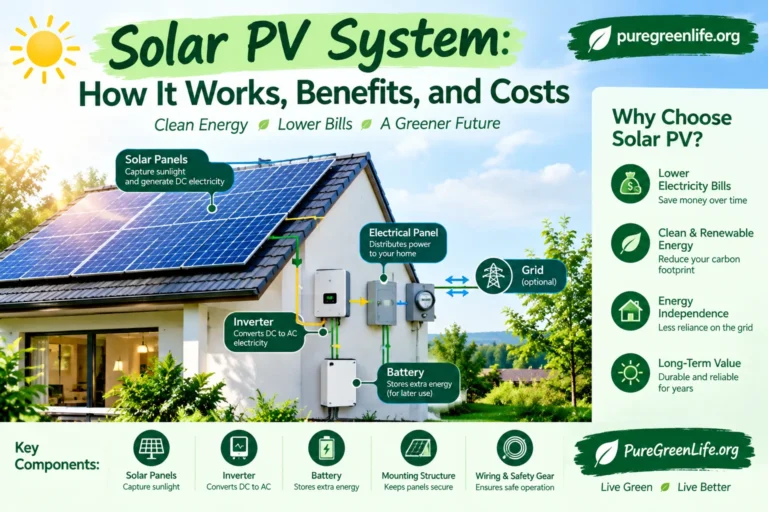
A solar microinverter is a small inverter installed with each solar panel. It converts solar power from DC electricity into usable AC electricity. Each panel works independently, which helps reduce shading effects. Microinverters also allow individual panel performance monitoring.
What Is a String Inverter?
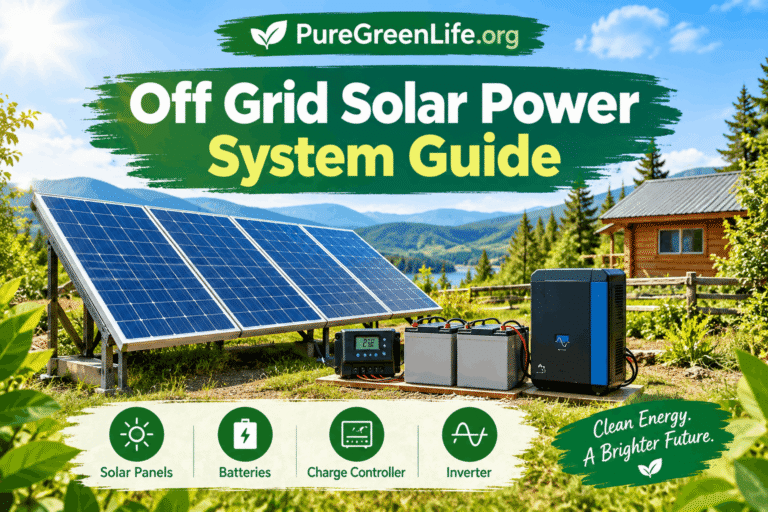
A string inverter connects multiple solar panels into one group. It converts the combined DC electricity into usable AC electricity. This setup lets one inverter handle several solar panels. Shading on one panel can reduce the string’s overall output.
How Do Solar Microinverters Work?
Solar panels produce DC electricity when sunlight reaches their cells. A microinverter converts this DC electricity into AC electricity. Each panel usually has its own microinverter. This allows each panel to operate independently from others. Microinverters can also monitor individual panel performance in many systems.
How Do String Inverters Work?
Solar panels connect together to form a group called a string. The panels send combined DC electricity to one string inverter. The inverter converts this DC electricity into usable AC electricity. The inverter can track the string’s maximum power point. Shading on one panel can reduce the string’s overall output.
Microinverter vs String Inverter: Key Differences
Energy Production
Microinverters let each panel operate independently from other panels. String inverters combine several panels into one electrical string. Shading or panel problems can affect string output.
Shading Performance
Microinverters reduce the effect of shading between different panels. One shaded panel does not reduce output from other panels. String systems can lose more output when one panel becomes shaded.
System Monitoring
Microinverters can provide individual panel performance monitoring. String inverters usually monitor performance at the inverter or string level.
Installation
Microinverters require equipment installed near each solar panel. String inverters use fewer inverter units in one central location.
Cost
Microinverter systems typically cost more upfront than string systems. String inverters can provide a more cost-effective setup.
Maintenance
String inverters are easier to access for servicing and replacement. Microinverters can require roof access when individual units need replacement. Both systems need proper monitoring and maintenance over time.
Advantages of Microinverters
- Each solar panel works independently with its own microinverter.
- Shading on one panel has less effect on other panels.
- Microinverters can improve performance on complex or shaded roofs.
- They can provide detailed monitoring for individual solar panels.
- A problem with one microinverter does not stop other panels.
- They work well with panels facing different directions.
Advantages of String Inverters
- String inverters usually cost less than microinverter systems.
- One inverter handles multiple solar panels in the same string.
- They are usually installed on walls, making servicing easier.
- String inverters have a simple and widely used system design.
- They work well on roofs with similar sunlight conditions.
- Their established design makes repairs and replacements relatively straightforward.
Disadvantages of Microinverters
- Microinverter systems usually cost more upfront than string inverter systems.
- They require more equipment and wiring across the solar roof.
- More individual inverters can mean more units needing replacement.
- Replacing a failed microinverter may require accessing the roof.
- Partial shading can sometimes stop one panel from producing power.
Disadvantages of String Inverters
- Shading on one panel can reduce the string’s overall power output.
- They work best when panels receive similar sunlight throughout the day.
- Different roof directions can make string systems less flexible.
- One inverter failure can affect the connected solar panels.
- String inverters usually provide less detailed panel-level monitoring.
- They may need replacement during the solar panels’ lifetime.
Microinverter vs String Inverter: Which One Should You Choose?
The right choice depends on your roof, sunlight, budget, and monitoring needs.
- Choose string inverters for simple roofs with consistent sunlight and few shading issues.
- Choose microinverters when different panels receive different amounts of sunlight.
- Microinverters also suit roofs with multiple directions or complex layouts.
- String inverters usually cost less and keep equipment in one location.
- Microinverters cost more but provide individual panel monitoring.
- Ask a qualified solar installer to assess your roof before choosing.
Frequently Asked Questions
Are microinverters better than string inverters?
Neither option is always better for every solar system. Microinverters suit shaded or complex roofs with different panel directions. String inverters work well on simple roofs with consistent sunlight.
Do microinverters produce more power?
Microinverters can improve output when individual panels face different conditions. They reduce the impact of shading on other solar panels. They do not automatically produce more power in every system.
How long do solar inverters last?
String inverters commonly last around 10 to 15 years. Microinverters can have lifetimes similar to solar panels. Actual lifespan depends on equipment quality, conditions, and maintenance.
Final Thoughts on Microinverter vs String Inverter
Microinverters and string inverters both work well in solar systems. Your roof design and sunlight conditions should guide your choice. String inverters suit simple roofs with consistent sunlight. Microinverters suit roofs with shading or different panel directions. Microinverters also provide independent panel operation and monitoring. Compare costs, system needs, and installation requirements before making your decision.