
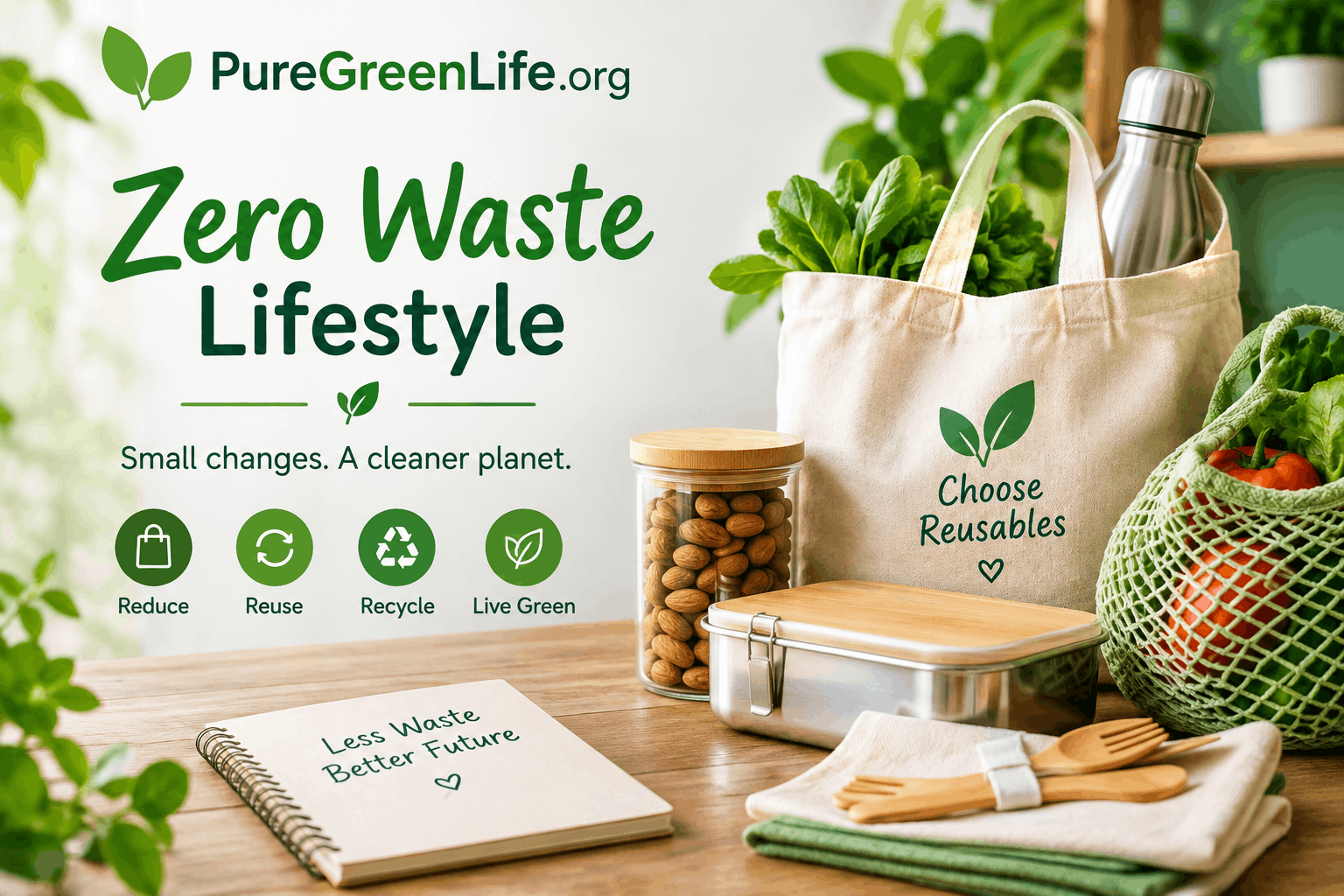
What Is a Zero Waste Lifestyle?
A zero waste lifestyle means reducing the waste you create every day. It focuses on reusing, repairing, recycling, and composting whenever possible .You can also avoid unnecessary products and single-use items. Small daily changes can help reduce waste and protect natural resources.
Why Does a Zero Waste Lifestyle Matter?
A zero waste lifestyle helps reduce household waste and protect natural resources. It can also reduce pollution and lower the amount sent to landfills. Simple habits like reusing items can make a meaningful difference.
Benefits of a Zero Waste Lifestyle
Reduces Household Waste
A zero waste lifestyle helps reduce the amount of household waste created. Reusing and repairing items can keep useful products out of landfills.
Saves Money
Buying only what you need can reduce unnecessary spending. Reusable products can also replace many disposable items over time.
Protects Natural Resources
Using fewer new products reduces the need for fresh raw materials. Recycling can help conserve resources such as water, timber, and minerals.
Reduces Plastic Pollution
Using fewer single-use plastics can reduce plastic waste entering the environment. Reusable bags and containers can help lower everyday plastic consumption.
Zero Waste Lifestyle at Home
Reuse Household Items
Reuse jars, containers, bags, and other suitable household items. Glass jars can store dry foods when they are clean and food-safe. Strong containers can organize small household supplies. Before reusing packaging, check that it is safe for its new purpose. Avoid using damaged containers or packaging that held hazardous chemicals for food storage.
Compost Food Scraps
Composting turns suitable organic waste into a soil amendment. Start with fruit and vegetable scraps, coffee grounds, and other materials accepted by your composting method. Add dry leaves or shredded untreated cardboard to balance wet food scraps. Keep the mixture moist but not waterlogged, and allow air to circulate. Follow local guidance because accepted materials vary between home and community systems.
If outdoor space is limited, look for a community composting service. Some local programs collect food scraps separately from ordinary rubbish. Check their accepted-material list before adding anything. Avoid placing plastic stickers, regular plastic bags, or non-compostable packaging in compost. Contamination can reduce the usefulness of the finished material.
Choose Eco-Friendly Cleaning Products
Choose cleaning products with clear ingredient information and suitable packaging. Concentrated refills may reduce packaging and transport needs when used correctly. Refillable products can also work well if the container is durable and easy to clean. Read the label and follow the recommended dilution instructions. Never mix cleaning chemicals unless the product instructions explicitly allow it.
Save Energy and Water
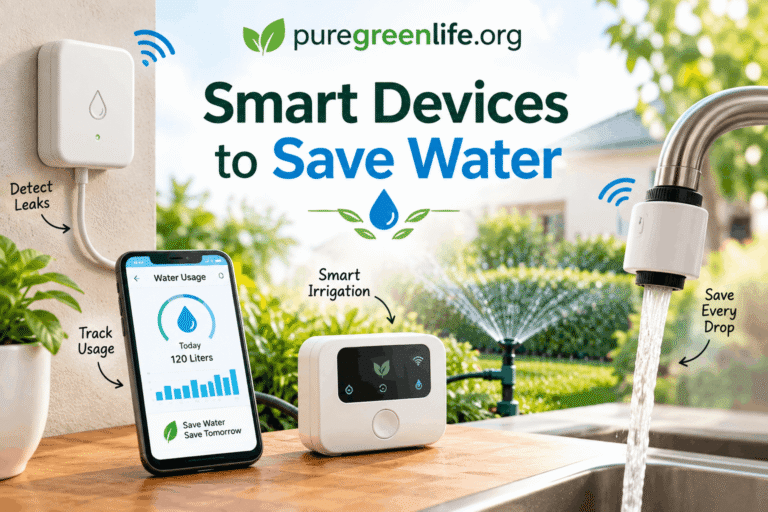
Reduce waste by using energy and water more carefully. Repair leaking taps and use washing machines with full loads when appropriate. Choose efficient settings that still clean clothes and dishes properly. Turn off lights and devices when they are not needed. Before buying new appliances, check whether repairing an existing one is practical and safe.
Zero Waste Shopping Tips
Buy in Bulk
Buying in bulk can reduce packaging when the product and quantity suit your needs. Compare the price per unit rather than judging value by package size alone. Store dry goods properly to protect them from moisture and pests. Start with foods your household uses regularly. Avoid bulk purchases that may expire before you finish them.
Choose Products With Less Packaging
Compare similar products and check how much packaging each uses. Products with less packaging can reduce waste, but the material also matters. Some packaging protects food and helps prevent spoilage. Choose practical options that balance packaging reduction, product safety, and storage needs. Where available, select packaging that local recycling services actually accept.
Bring Reusable Shopping Bags
Keep reusable bags in a place you check before leaving home. You can also store a compact bag in your backpack or car. After shopping, empty and clean bags when needed. Separate bags used for raw meat from those used for ready-to-eat food. This simple habit supports both waste reduction and food hygiene.
Choose Durable Products
Check whether a product can be repaired before buying it. Look for replaceable parts, clear care instructions, and a reliable warranty. Products with simple designs may be easier to maintain over time. However, durability depends on the material, build quality, and how you use the item. Choose products that suit your actual needs rather than buying expensive items solely for their environmental image.
Zero Waste Lifestyle in Daily Life
Reuse Before Buying New
Before purchasing something, check whether you already own an item that can do the job. You may also borrow tools or equipment used only occasionally. Sharing items with family, friends, or community groups can reduce unnecessary purchases. This approach saves storage space as well as materials. It also prevents reusable products from becoming clutter.
Repair Damaged Items
Repair clothes, furniture, electronics, and household items when it is safe and practical. Simple fixes, such as replacing a button or tightening a loose handle, can extend product life. For electronics, check whether spare parts and repair services are available. Never attempt repairs that involve dangerous electrical components without proper skills. Compare repair costs with replacement costs before deciding.
Donate Unwanted Items
Donate clean, usable items that you no longer need. Check the receiving organization’s requirements before dropping anything off. Clothing, books, furniture, and working household goods may find new users. Do not donate broken or unsafe products unless the organization specifically accepts them for repair or recycling. Responsible donation keeps useful items in circulation without transferring unwanted waste to others.
Recycle Properly
Check your local recycling rules before sorting household waste. Accepted materials can differ between cities and collection services. Keep recyclable items free from food residue when required. Avoid placing batteries, electronics, chemicals, or other special waste in ordinary recycling bins. Use designated collection points when available.
One useful improvement is to learn which items your local program rejects. Incorrect items can contaminate recycling loads and make sorting harder. When an item cannot be recycled locally, consider whether you can reduce or reuse it instead. Prevention and reuse often work better than relying on recycling alone.
Common Zero Waste Mistakes to Avoid
Many people try to change all their habits at the same time. They may stop buying plastic, start composting, and change their shopping routines in one day. This can feel stressful and become difficult to maintain. Instead, start with one or two simple changes and practice them regularly. Once these habits become part of your daily routine, you can gradually add more. Small, steady steps often make a zero-waste lifestyle easier to follow in the long term.
Trying to Change Everything at Once
Do not try to change every habit at the same time. Start with small changes that fit your daily routine. Simple habits are easier to maintain over time.
Buying Too Many “Eco-Friendly” Products
Avoid buying new products just because they seem eco-friendly. Use what you already own whenever possible. Choose durable products that you can reuse for longer.
Ignoring Reuse and Repair
Do not throw away useful items without considering repair first. Reuse containers, bags, clothes, and other items when possible. Repairing products can extend their useful life and reduce waste.
How to Make Zero Waste Habits Last
Start With Small Changes
Start with one or two simple habits you can manage easily. Small changes can become easier when they fit your daily routine. Add new habits after your first ones become comfortable.
Set Realistic Goals
Set clear goals that match your daily life and available resources. Choose goals you can track and improve over time. Focus on reducing waste instead of expecting perfection.
Track Your Waste
Notice what types of waste you throw away most often. Tracking waste can show where you can make useful changes. Use this information to set goals and measure your progress.
Frequently Asked Questions About Zero Waste Lifestyle
What Is a Zero Waste Lifestyle?
A zero waste lifestyle focuses on preventing and reducing everyday waste. It also includes reusing, repairing, recycling, and composting materials.
Is a Zero Waste Lifestyle Possible for Everyone?
You can reduce waste without completely eliminating it. Start with practical changes that fit your daily routine.
How Can I Start a Zero Waste Lifestyle?
Start by refusing unnecessary items and reducing what you buy. Reuse useful items and repair them when possible.
Does Zero Waste Mean Never Using Plastic?
No, zero waste does not mean avoiding every plastic item. Focus on reducing unnecessary plastic and reusing items whenever possible.
Can Zero Waste Habits Save Money?
Yes, reducing unnecessary purchases can help lower household spending. Reusable products can also replace many disposable items over time.
How Can I Reduce Food Waste?
Plan your meals and buy only the food you need. You can also compost suitable food scraps instead of throwing them away.
Should I Recycle Everything?
No, not every material belongs in recycling bins. Check your local recycling rules before placing items inside.
What Is the Most Important Zero Waste Habit?
Preventing waste is generally better than managing waste afterward. Reuse, repair, and reduce purchases before relying on recycling.
Final Thoughts on Zero Waste Lifestyle
A zero waste lifestyle starts with simple choices you make each day. Reduce unnecessary purchases and reuse items whenever possible. Repair useful products instead of replacing them too quickly. Recycle materials when reducing and reusing are not possible. You do not need to change everything at once. Small, consistent habits can help reduce everyday household waste.






One thought on “Zero Waste Lifestyle: Simple Ways to Reduce Waste and Live Greener”