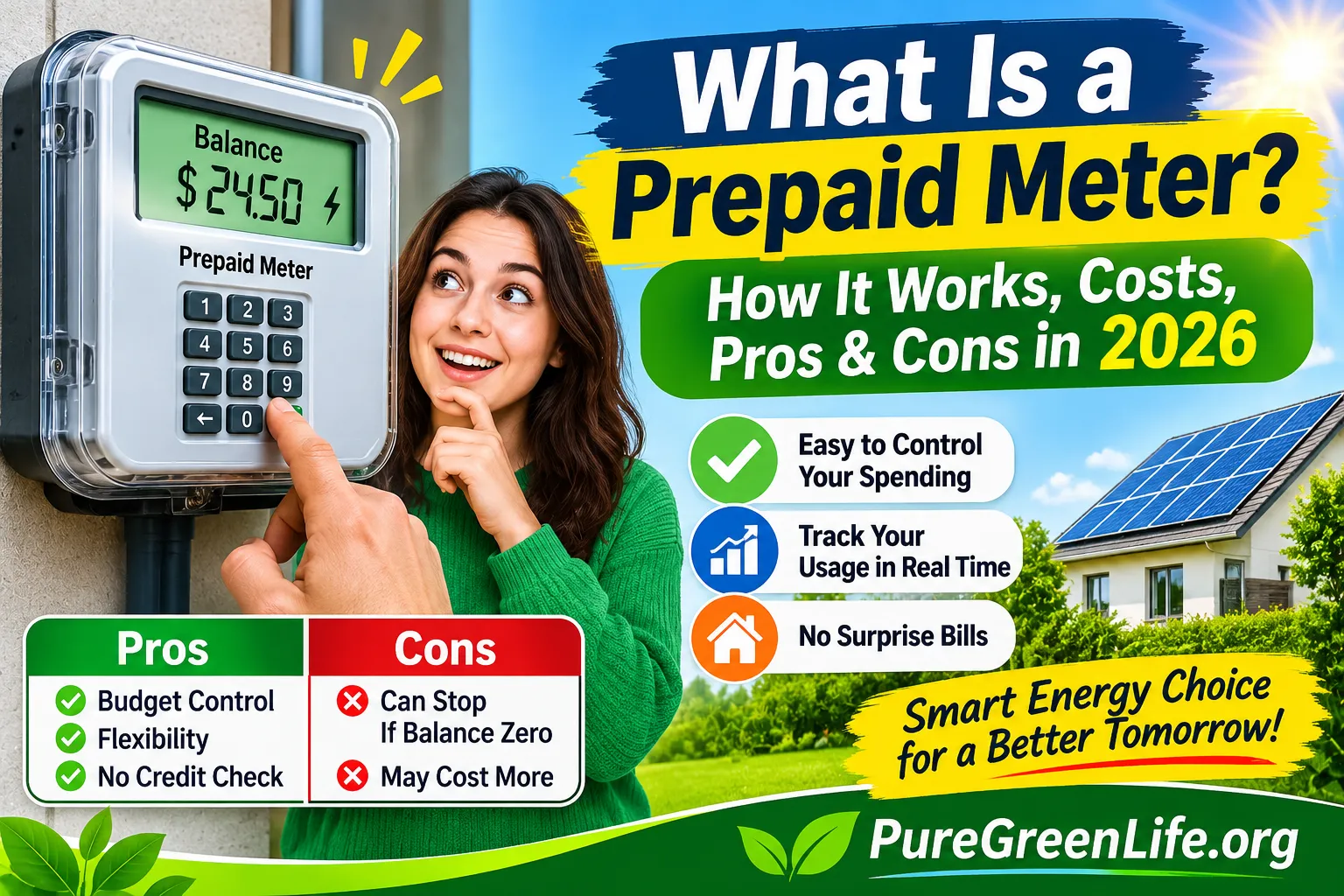
A prepaid meter gives you pay for electricity before you use it. Instead of receiving a bill after using power, you add credit to your meter in advance. The meter then deducts the cost as your home consumes electricity.
This system works much like a prepaid mobile phone. You add money when needed and monitor your remaining balance. It can make electricity spending easier to track, but it also requires regular attention.
So, what is a prepaid meter, how does it work, and is it a good choice for your home? Let’s explore its features, costs, advantages, disadvantages, and common questions.
What Is a Prepaid Meter?
A prepaid meter is an electricity or gas meter that uses an advance-payment system. You purchase energy credit before using electricity. The meter records your consumption and deducts the related cost from your available balance.
For example, you might add $30 to your electricity meter. As you use lights, fans, appliances, and other devices, the meter reduces your credit. When your balance becomes low, you need to add more money.
Prepaid meters are also called prepayment meters or pay-as-you-go meters. Some systems use physical cards or keys, while newer models support online payments and mobile apps.
The exact payment process depends on your electricity provider and location.
How Does a Prepaid Meter Work?
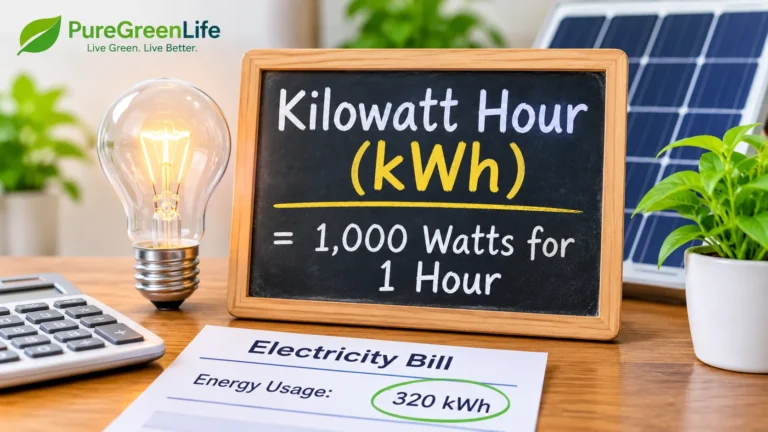
A prepaid meter measures the electricity entering your property. It records consumption in kilowatt-hours (kWh), which is the standard unit used to measure electrical energy.
The meter then calculates the cost using your electricity tariff and applicable charges. It deducts this amount from your available credit.
Here is how the process usually works:
- Buy electricity credit: Purchase credit through an approved shop, website, mobile app, or payment service.
- Add the credit: Enter a recharge code or use a card, key, barcode, or connected account.
- Use electricity: Your meter measures the electricity consumed by household appliances.
- Check your balance: The display or app shows your remaining credit or energy balance.
- Recharge again: Add more credit before your balance runs out.
Some meters also provide low-credit warnings. Certain providers offer emergency credit or temporary supply features. These options depend on the meter model and local rules.
What Are the Main Types of Prepaid Meters?
Prepaid meters come in different designs. Their main purpose is the same, but their payment and monitoring features can vary.
1. Traditional Prepaid Meter
A traditional prepaid meter usually uses a physical key, card, or token. You purchase credit from an approved payment point and transfer it to the meter.
These meters can work well in areas where digital payment options are limited. However, users may need to visit a shop whenever they want to recharge.
Losing or damaging the card or key can also create inconvenience.
2. Smart Prepaid Meter
A smart prepaid meter offers more convenient payment and monitoring options. Depending on the supplier, users can add credit through a website, mobile app, or online account.
Some models also connect to an in-home display. This helps users monitor their balance and electricity consumption.
Smart meters may support automatic top-ups and low-balance notifications. However, available features depend on the supplier and meter system.
3. Keypad Prepaid Meter
A keypad prepaid meter allows users to enter a recharge code directly into the meter. After purchasing electricity credit, the customer receives a token or code.
The user enters that code using the meter’s keypad. The meter then adds the purchased credit to the account.
This system is common in several electricity markets. The exact token format and recharge process depend on the local provider.
Prepaid Meter vs. Traditional Electricity Meter
The biggest difference is when you pay for electricity. A prepaid meter requires payment before consumption, while a traditional credit meter usually records usage for later billing.
| Feature | Prepaid Meter | Traditional Credit Meter |
|---|---|---|
| Payment | Before using electricity | After using electricity |
| Balance | Shows remaining credit | Usually shows meter readings |
| Billing | Recharge-based | Monthly or quarterly bill |
| Budget control | Easier to monitor spending | Requires bill tracking |
| Top-up | Required regularly | Not usually required |
| Low balance | May cause supply interruption | Unpaid bills can create debt |
| Payment options | Keys, cards, apps, or tokens | Direct debit, bank, or other methods |
Both systems measure electricity consumption. The main difference is how customers pay for the energy they use.
Advantages of a Prepaid Meter
A prepaid meter can help households manage electricity spending. However, its usefulness depends on your energy needs and payment habits.
1. Better Control Over Electricity Spending
You decide how much credit to purchase. This makes it easier to set a weekly or monthly electricity budget.
For example, you could set aside a fixed amount for electricity each week. You can then monitor your balance and adjust your usage when necessary.
2. Real-Time Usage Monitoring
Many modern prepaid meters show remaining credit and energy consumption. Some connected systems also provide mobile monitoring.
This information helps you notice when electricity costs increase. You can then check which appliances may be using more power.
3. Fewer Unexpected Bills
A prepaid system reduces the chance of receiving a large bill for previously untracked usage. You pay in advance and can monitor the remaining balance.
However, standing charges, taxes, and other fees may still apply. Check your provider’s tariff before choosing a payment system.
4. Flexible Recharge Options
Many modern systems offer different ways to add electricity credit. Depending on your provider, you may use an app, website, payment card, or approved shop.
This flexibility can make recharging easier. It is especially useful when online payments are available.
5. Encourages Energy Awareness
Seeing your balance decrease can make electricity use more noticeable. You may become more careful about unnecessary lighting and appliance use.
Simple habits can help reduce consumption. Switching off unused devices and choosing efficient appliances are good starting points.
Disadvantages of a Prepaid Meter
Prepaid meters also have limitations. Understanding these problems can help you avoid unexpected interruptions and extra costs.
1. Electricity Can Stop When Credit Runs Out
The biggest disadvantage is the risk of losing electricity when your balance reaches zero. This can happen at an inconvenient time, especially at night or during holidays.
Some providers offer emergency credit or additional protection. However, these features are not available on every meter.
2. Regular Top-Ups Require Attention
You must monitor your balance and recharge before the credit runs out. Traditional meters may also require a visit to an approved payment location.
This can become inconvenient for busy households. Smart top-ups and balance alerts may reduce this problem.
3. Extra Charges May Apply
Some prepaid systems include daily standing charges, service fees, or other costs. These charges may reduce your balance even when you use very little electricity.
A low recharge amount does not always mean a low electricity cost. Always review the full tariff and payment conditions.
4. Limited Payment Options in Some Areas
Not every electricity provider supports mobile apps or online payments. Some traditional systems depend on physical cards, keys, or local payment shops.
This can create problems when payment locations are closed. Check available recharge methods before choosing a prepaid meter.
5. Emergency Credit May Need Repayment
Some providers offer temporary credit when your balance runs out. This can help maintain the electricity supply for a short period.
However, the amount used may be deducted from your next recharge. You should check the repayment rules with your electricity provider.
How to Recharge a Prepaid Meter
The recharge process depends on your meter type and electricity supplier. Most systems follow a similar process.
- Check your meter number: Find the identification number linked to your electricity connection.
- Choose an approved payment method: Use your supplier’s website, app, shop, or authorized payment service.
- Select the recharge amount: Choose how much credit you want to purchase.
- Complete the payment: Follow the instructions and keep your payment receipt.
- Enter the token if required: Some meters need a recharge code entered through their keypad.
- Confirm your balance: Check the meter display or app to make sure the credit has been added.
If your credit does not appear, avoid purchasing another token immediately. First, check the payment status and contact your supplier for help.
How to Reduce Electricity Costs With a Prepaid Meter
A prepaid meter helps you monitor spending, but it does not automatically reduce electricity prices. You still need to manage how much energy your home consumes.
Try these practical methods:
- Use LED lighting: Replace older bulbs with energy-efficient LED lights.
- Switch off unused appliances: Avoid leaving unnecessary devices running.
- Choose efficient appliances: Look for products with good energy-efficiency ratings.
- Manage heating and cooling: Set comfortable temperatures without excessive heating or cooling.
- Monitor high-energy devices: Check the usage of air conditioners, water heaters, and electric ovens.
- Recharge before your balance gets too low: Keep enough credit for essential household needs.
- Compare electricity tariffs: Check unit rates, daily charges, and additional fees before choosing a supplier.
Solar panels and home battery systems may also help reduce reliance on grid electricity. However, their benefits depend on installation costs, local regulations, available sunlight, and household energy needs.
Is a Prepaid Meter Better Than a Postpaid Meter?
Neither option is best for every household. A prepaid meter may suit people who prefer controlling their electricity spending. A postpaid meter may be more convenient for customers who prefer regular bills.
Choose a prepaid meter if you want to monitor credit frequently and pay before using electricity. Consider a postpaid arrangement if you prefer paying for recorded consumption later.
Before deciding, compare the electricity rate, standing charges, payment methods, and customer support. Also check whether your provider allows you to change payment methods later.
Conclusion
A prepaid meter allows customers to pay for electricity before using it. It tracks energy consumption and deducts the cost from the available credit. This system can make household budgeting easier and help users understand their electricity habits.
However, regular recharging is necessary. Running out of credit can interrupt the power supply, while additional charges may reduce the remaining balance.
Before choosing a prepaid meter, compare its features, payment options, and tariff with other available plans. The right choice depends on your household’s energy needs and budget.
Frequently Asked Questions
1. What is a prepaid meter used for?
A prepaid meter measures electricity or gas consumption while allowing customers to pay in advance. It deducts the cost of energy from the credit added to the meter.
2. How does a prepaid electricity meter work?
You purchase electricity credit and add it to your meter. The meter records your consumption and reduces the balance as you use electricity.
3. Does a prepaid meter save money?
A prepaid meter does not automatically make electricity cheaper. However, it can help you monitor consumption and manage your budget more carefully.
4. What happens when a prepaid meter runs out of credit?
Depending on the meter and supplier, the electricity supply may stop when credit runs out. Some systems offer emergency credit or temporary supply options.
5. Can I recharge a prepaid meter online?
Yes, many smart prepaid meters support online payments and mobile app top-ups. Traditional meters may require a physical key, card, or recharge token.
6. Does a prepaid meter use electricity when appliances are switched off?
The meter itself uses a small amount of power to operate. Also, some providers apply daily standing charges, which can reduce your balance even when you use no electricity.
7. Is a smart meter the same as a prepaid meter?
No. A smart meter is designed to measure and communicate energy information. It can operate in prepaid or postpaid mode, depending on the supplier and settings.
8. Can I switch from a prepaid meter to a postpaid meter?
This depends on your electricity supplier and local regulations. Some providers allow customers to change payment modes without replacing a compatible smart meter.
Read More: For more helpful guides on solar energy, renewable technology, and smarter energy use, visit Pure Green Life.