What Are Smart Devices to Save Water?
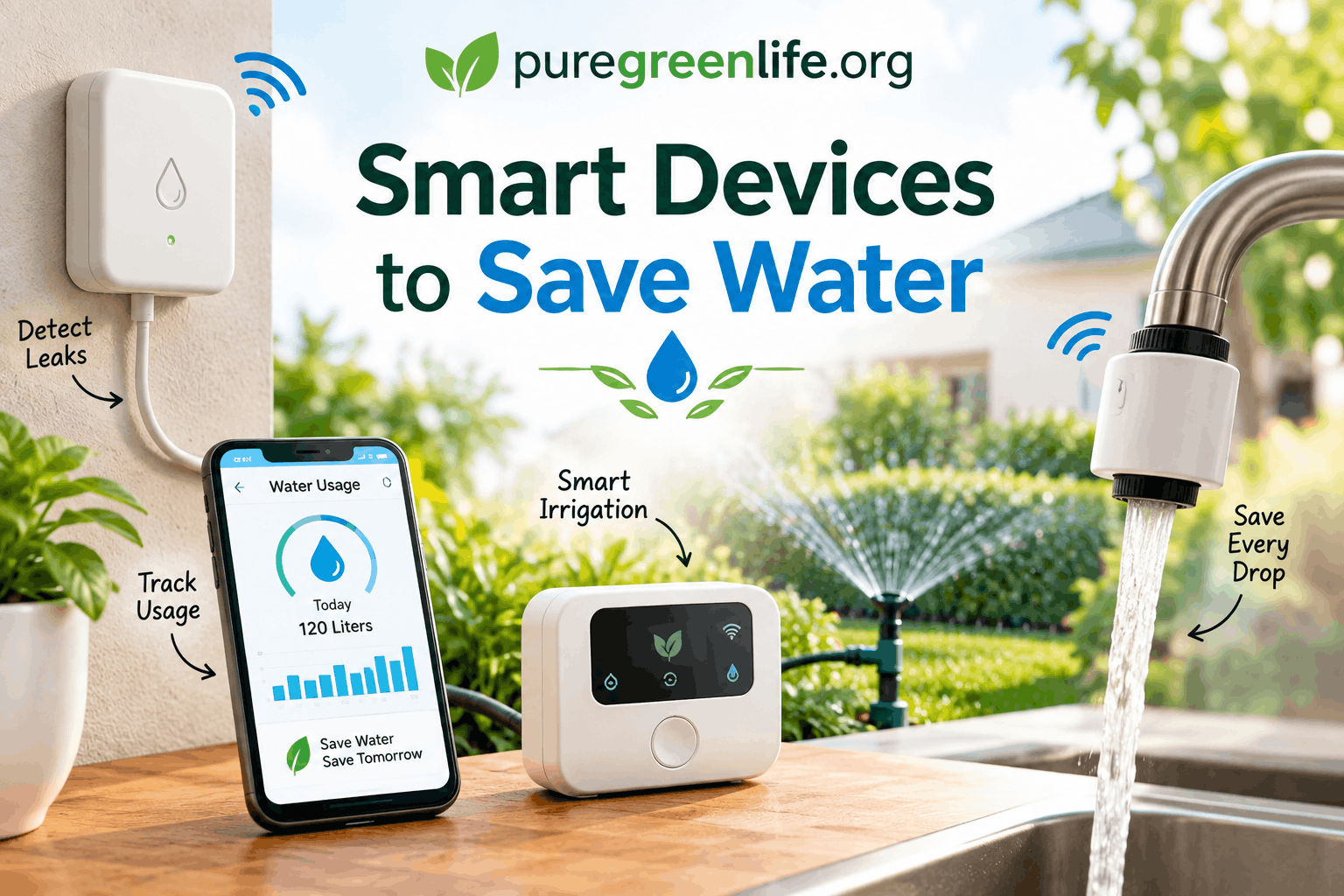
Smart devices to save water use technology to reduce unnecessary water use. They can monitor water, detect leaks, or control water flow. Some devices also use sensors, weather data, or smartphone apps. These tools can make water saving easier at home.
1. Smart Irrigation Controllers
Smart irrigation controllers help manage watering for lawns and gardens. They can adjust watering based on local weather conditions. Some models also use soil moisture information to control watering. This helps avoid watering plants when they already have enough moisture.
2. Smart Water Leak Detectors
Smart leak detectors help find water leaks around your home.
Some sensors detect unexpected moisture near pipes and appliances.
Other devices monitor water flow and spot unusual usage patterns.
Many models can send alerts to your phone when problems occur.
3. Smart Water Shut-Off Valves
Smart shut-off valves can control the main water supply. Some systems can close the valve after detecting a serious leak. They can also work with separate leak detection sensors. This can help reduce water waste and prevent water damage.
4. Smart Shower Systems
Smart shower systems can help people monitor their shower habits. Some systems track water use and shower duration. Certain models can control water temperature and flow settings. These features can help users become more aware of water use.
5. Smart Faucets
Smart faucets can turn water on without touching the handle. They usually use sensors to detect your hands nearby. The water stops when you move your hands away. This can reduce water running when nobody needs it. For certified water efficiency, look for suitable WaterSense-labeled faucets. WaterSense-labeled faucets meet EPA efficiency and performance requirements.
6. Smart Water Meters
Smart water meters track water use more frequently than traditional meters. They can provide useful information about household water consumption. Some systems can show unusual increases in water use. This information can help homeowners spot possible leaks sooner.
7. Soil Moisture Sensors
Soil moisture sensors measure moisture levels in the ground. They can tell irrigation systems when soil needs more water. The system can skip watering when the soil is already wet. This helps reduce unnecessary watering in gardens and lawns.
8. Smart Sprinkler Systems
Smart sprinkler systems can make outdoor watering more efficient. They can adjust watering schedules using weather and soil information. Some systems can reduce watering after rainfall. Proper settings can help prevent overwatering and unnecessary runoff.
Benefits of Smart Devices to Save Water
Smart water devices can help reduce unnecessary water use at home. They make water management easier and more convenient for homeowners. Here are some important benefits these devices can provide.
Reduce Water Waste
Smart devices can help prevent unnecessary water use. Smart irrigation systems can adjust watering based on weather conditions. This helps avoid watering plants when they do not need water.
Detect Leaks Early
Leak detectors can alert you when unusual water use occurs. Early alerts can help you find leaks before they waste more water. They can also help reduce damage caused by leaking water.
Lower Water Bills
Using less water can reduce your household water costs. Your savings will depend on your current water use and local rates. Water-efficient products can also reduce energy use when heating water.
Make Watering More Efficient
Smart irrigation controllers can match watering with plant needs. Some controllers use weather or soil moisture information. This helps reduce overwatering in lawns and gardens.
Monitor Your Water Use
Smart water meters can show how much water your home uses. This information can help you notice unusual changes in consumption. You can then investigate possible leaks or wasteful habits.
Save Time and Effort
Smart devices can automate many water-saving tasks around your home. You can manage some systems using smartphone apps. This makes regular water management easier for busy homeowners.
Support a More Efficient Home
Using less water also reduces the energy needed to treat water. Heating less water can also reduce household energy use. Smart devices work best when you combine them with good water-saving habits.
How Do Smart Devices Help Reduce Water Waste?
Smart devices help control water use around your home. They use sensors, timers, and weather data to manage water. Smart irrigation systems can avoid unnecessary garden watering. Leak detectors can alert you when they detect possible leaks. Smart valves can also stop water flow during serious leaks. Water monitors can help you track unusual water usage. These features make it easier to reduce everyday water waste.
How to Choose the Right Water-Saving Smart Device
Start by finding where your home uses the most water. Choose a device that addresses that specific water-saving need.
Check the Device Features
Look for features that match your daily water needs. For gardens, consider weather-based or soil-moisture irrigation controllers. For leaks, choose devices that monitor moisture or water flow.
Check Compatibility
Make sure the device works with your existing plumbing system. Check its installation requirements before buying the device. Some systems may also need Wi-Fi or a smartphone app.
Look for Efficiency Certifications
For eligible products, look for the EPA WaterSense label. WaterSense products meet EPA requirements for efficiency and performance.
Consider Installation and Maintenance
Choose a device you can install and maintain properly. Follow the manufacturer’s instructions for installation and regular maintenance.
Compare Costs
Compare the purchase price with your expected water savings. Also check for subscription fees or installation costs. Choose a device that fits your budget and household needs.
Are Smart Water-Saving Devices Worth It?
Smart water-saving devices can reduce unnecessary water use. They can also detect leaks and improve garden watering. Your savings depend on your water use and device setup. Choose a device that solves a real water problem at home.
Simple Ways to Save More Water at Home
- Fix leaks quickly.
- Turn off taps when not needed.
- Take shorter showers.
- Run full laundry and dishwasher loads.
- Water plants during cooler hours.
- Use water-efficient fixtures.
- Check sprinklers for leaks.
- Track your daily water use.
Final Thoughts
Smart devices can make water use easier to manage at home. They can detect leaks and control watering automatically. Simple habits can also reduce daily water waste. Choose devices that match your home’s water-saving needs. Small changes can help you save water and reduce waste.