Cold weather can reduce electric car battery range and affect overall driving performance. Low temperatures make batteries less efficient and increase the energy needed to heat the cabin.
This means your electric vehicle may travel fewer miles during winter. You might also notice slower charging and higher energy consumption on cold mornings.
However, winter driving does not make electric cars unreliable. Understanding how cold weather affects electric car battery range can help you plan trips, protect battery performance, and avoid unexpected charging stops.
This guide explains why EV range drops in winter. It also shares practical ways to improve efficiency and make cold-weather driving easier.
How Much Does Cold Weather Reduce Electric Car Battery Range?
There is no single range-loss figure for every electric vehicle. The result depends on outdoor temperature, battery design, heating system, driving speed, and trip length.
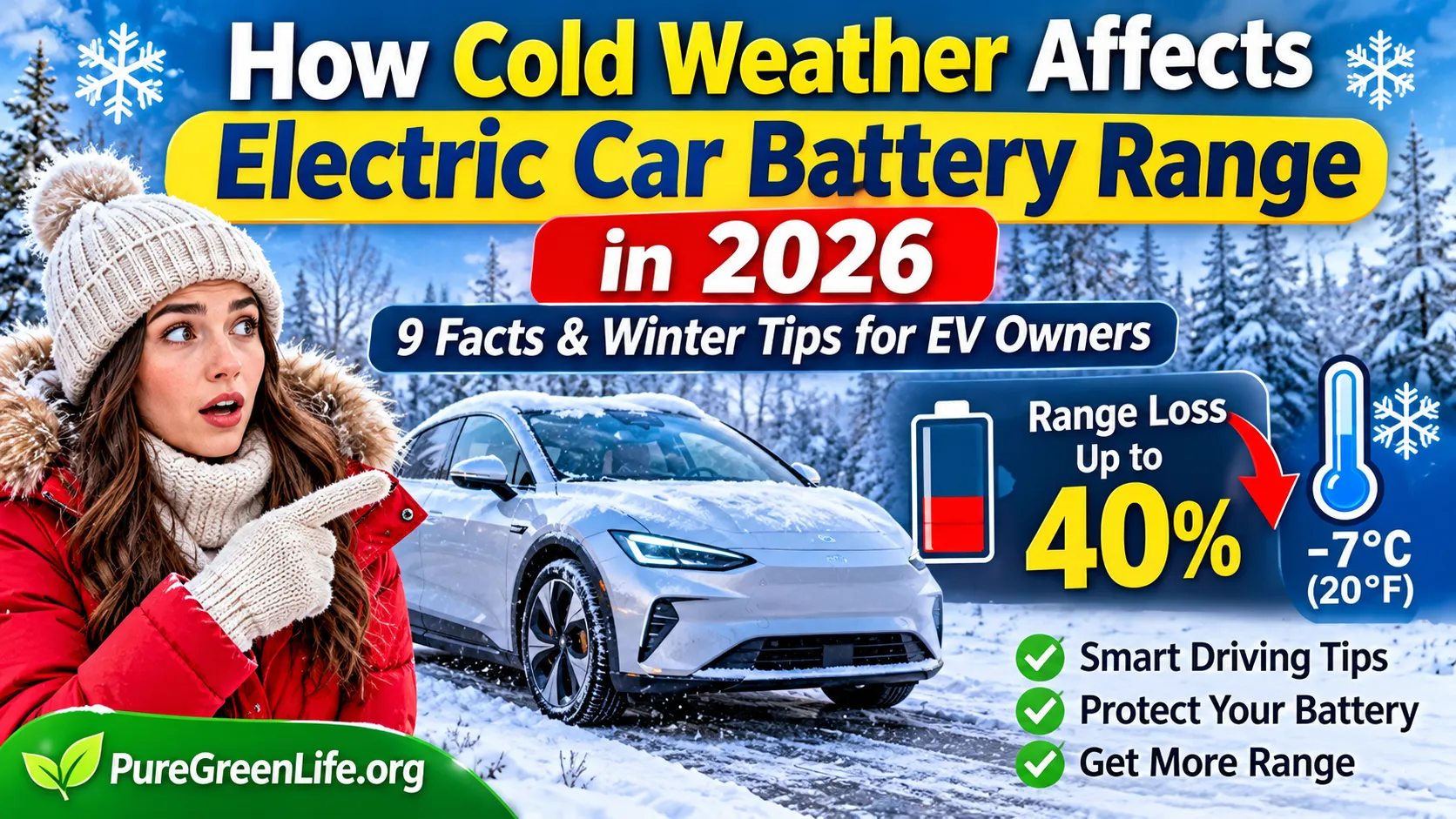
Some tests have recorded range reductions of around 40% in very cold conditions. These figures are not guaranteed for every vehicle because models and testing conditions differ.
Your actual range may be better or worse. Check your vehicle’s winter performance information and plan trips with extra charging time.
Why Cold Weather Affects Electric Car Battery Range
Electric car batteries depend on chemical reactions to store and release energy. Cold temperatures slow these reactions and reduce the battery’s ability to deliver power efficiently.
The battery management system also works to keep the battery within a suitable temperature range. This process can use additional electricity during winter.
Several factors combine to reduce your driving range. Understanding them helps explain why winter driving uses more battery power.
1. Cold Temperatures Reduce Battery Efficiency
Low temperatures slow the chemical processes inside lithium-ion batteries. This can temporarily reduce the energy available for driving.
The battery may also deliver power less efficiently until it warms up. Performance usually improves as the battery reaches a suitable operating temperature.
2. Cabin Heating Uses Extra Battery Power
Traditional cars can use engine waste heat to warm their cabins. Electric vehicles usually need electricity to operate their heating systems.
This creates additional energy demand during cold weather. Using strong cabin heating for long periods can reduce the distance you travel.
3. Battery Heating Requires Additional Energy
Many electric cars use thermal management systems to control battery temperature. These systems may warm the battery before driving or charging.
This helps protect battery performance in cold conditions. However, the heating process also uses energy stored in the battery.
4. Regenerative Braking May Become Less Effective
Regenerative braking sends some energy back into the battery when you slow down. However, a cold battery may not accept energy at its normal rate.
Your vehicle may temporarily limit regenerative braking in very cold conditions. This means less recovered energy during some journeys.
5. Cold Weather Increases Tire Resistance
Cold air causes tire pressure to decrease. Underinflated tires create more rolling resistance and can reduce driving efficiency.
Snow and wet roads can also make driving less efficient. Maintaining the correct tire pressure helps reduce unnecessary energy use.
Other Winter Conditions That Reduce EV Range
Battery temperature is not the only factor affecting winter performance. Driving conditions and vehicle features can also increase electricity consumption.
6. Highway Driving Uses More Energy
Driving at high speeds requires more energy because air resistance increases. Cold, dense air can add to this effect.
Strong winds can also reduce efficiency. Driving at a steady and moderate speed can help preserve battery range.
7. Short Trips Can Use More Energy
Short journeys often begin with a cold battery and cabin. The vehicle may spend a large part of the trip using energy for heating.
Several short journeys can therefore use more energy than one longer trip. Combining errands may help reduce repeated warming cycles.
8. Snow and Wet Roads Increase Energy Use
Snow-covered roads create additional resistance for vehicle tires. Slippery conditions may also require slower acceleration and more careful driving.
Heavy snow can make winter journeys less efficient. Always prioritize safe driving rather than trying to maximize range.
9. Cold Weather Can Slow EV Charging
Cold batteries may accept electricity more slowly than warm batteries. This can increase charging times, especially at public fast-charging stations.
Many EVs use battery preconditioning to prepare for faster charging. Follow your vehicle’s instructions before visiting a charging station.
How to Improve Electric Car Battery Range in Winter
You cannot control outdoor temperatures, but you can reduce unnecessary energy use. A few simple habits can make winter driving more efficient.
Preheat Your Electric Car While It Is Plugged In
Use your vehicle’s preconditioning feature before leaving home. It can warm the cabin and, on supported models, prepare the battery.
When possible, do this while the vehicle is connected to a charger. This can reduce the amount of driving energy used for initial heating.
Use Heated Seats and Steering Wheels
Heated seats and steering wheels can provide personal warmth. They may use less energy than heating the entire cabin.
Use them when they provide enough comfort. Keep the cabin temperature at a suitable level for everyone inside.
Park in a Garage or Covered Area
A garage can protect your EV from very low outdoor temperatures. A warmer starting temperature may reduce the energy needed for initial heating.
If indoor parking is unavailable, use a covered parking space when possible. Follow safe charging instructions for your parking location.
Maintain Correct Tire Pressure
Check tire pressure regularly during winter. Cold temperatures can lower pressure, so follow the manufacturer’s recommended figures.
Correct tire pressure helps reduce rolling resistance. It also supports safer handling on winter roads.
Drive at a Steady Speed
Rapid acceleration can increase electricity consumption. Smooth driving helps your vehicle use energy more efficiently.
Avoid unnecessary high speeds when conditions allow. Leave enough distance to slow down safely and reduce sudden braking.
Plan Charging Stops Before Long Trips
Cold weather can make your estimated driving range less predictable. Plan charging stops with enough reserve for traffic, weather, and road conditions.
Use your vehicle’s navigation system if it includes battery-aware route planning. Keep an alternative charging option in mind for longer journeys.
Heat Pumps vs. Traditional Heaters in Electric Cars
Heating technology can make a difference to winter driving range. Some electric vehicles use heat pumps, while others rely on electric resistance heaters.
A traditional resistance heater converts electricity into heat. A heat pump moves available heat from the outside air or vehicle systems into the cabin, often using less electricity in suitable conditions.
Heat pumps can improve winter efficiency, but their performance varies with outdoor temperature. Check the heating system fitted to your EV before buying.
Does Cold Weather Permanently Damage an Electric Car Battery?
Normal winter temperatures do not automatically cause permanent battery damage. Cold weather mainly causes temporary performance changes and reduced available range.
Modern EVs use battery management systems to monitor temperature and protect battery operation. These systems can limit charging or power when conditions are unsuitable.
However, battery care still matters during winter. Follow the manufacturer’s charging, storage, and temperature recommendations.
Winter Driving Tips for Electric Car Owners
Good preparation can make cold-weather journeys easier and more predictable. Use these practical steps before and during winter trips.
- Check your battery level before leaving.
- Preheat the cabin while connected to a charger.
- Check tire pressure regularly.
- Use heated seats when suitable.
- Keep charging cables and connectors clean and dry.
- Plan charging stops before long journeys.
- Avoid unnecessary rapid acceleration.
- Keep enough battery reserve for unexpected delays.
These habits can help reduce energy waste. They also make winter journeys more comfortable and manageable.
Frequently Asked Questions
Does cold weather reduce electric car battery range?
Yes, cold weather can reduce EV range. Battery chemistry becomes less efficient, and cabin heating uses additional electricity.
At what temperature do electric car batteries lose range?
Range can begin to decrease as temperatures fall below comfortable operating conditions. The effect becomes more noticeable in freezing weather, although the exact result varies by vehicle.
Do electric cars charge slower in winter?
Yes, charging can take longer when the battery is very cold. Battery preconditioning may help prepare it for faster charging.
Are electric cars suitable for cold climates?
Yes, modern electric cars can operate in cold climates. Features such as heat pumps, battery heating, and preconditioning can help manage winter conditions.
Should I charge my electric car every night in winter?
Charging regularly can help keep enough energy available for daily travel. Follow your vehicle manufacturer’s recommended charging limits and battery care instructions.
Do heat pumps improve electric car range in winter?
Heat pumps can reduce the electricity needed for cabin heating in suitable conditions. This can help preserve more energy for driving.
Final Thoughts
Cold weather affects electric car battery range by reducing battery efficiency and increasing heating demand. It can also slow charging and make some driving conditions less efficient.
However, proper preparation can reduce many of these effects. Preheat your vehicle while plugged in, maintain tire pressure, use efficient heating, and plan charging stops carefully.
Electric cars remain practical for winter travel when drivers understand their vehicles and prepare for changing conditions.
Read More: For more helpful guides on electric vehicles, clean technology, and sustainable living, visit Pure Green Life.