
What Is Gadgets Education?
Gadgets education teaches people about electronic devices and smart technology. It explains how gadgets work and how people can use them responsibly.
Why Gadgets Education Matters
It helps people choose useful gadgets and understand their features. It also encourages safe use, energy saving, and responsible recycling.
How Gadgets Affect Daily Life
Gadgets help people communicate, study, work, and complete daily tasks. Smart devices can also make everyday activities easier and more convenient.
What Are Smart Gadgets?
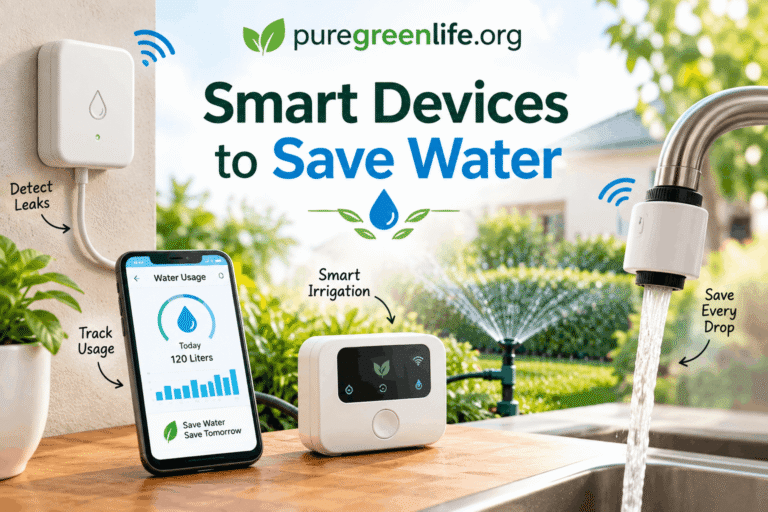
Smart gadgets use technology to perform tasks with less manual effort. Many smart gadgets connect to the internet or other devices. They often use sensors, apps, or software to provide useful features.
Smart Home Gadgets
Smart home gadgets help people manage different household tasks. Examples include smart lights, thermostats, cameras, and connected appliances. Many can be controlled using apps, voice commands, or automatic settings.
Smart Personal Gadgets
Smart personal gadgets support communication, fitness, and everyday activities. Smartwatches can manage messages, music, fitness tracking, and other features.
Smart Gadgets for Everyday Use
People use smart gadgets for many simple daily tasks. Smartphones, speakers, watches, and TVs are common examples. These devices can make communication, entertainment, and home control easier.
What Are Eco-Friendly Gadgets?
Eco-friendly gadgets are designed to reduce environmental impact during their life cycle. They may use less energy, recycled materials, or durable designs.
Energy-Efficient Gadgets
Energy-efficient gadgets use less electricity while performing their intended tasks. ENERGY STAR products are designed to meet energy-efficiency requirements.
Gadgets Made From Sustainable Materials
Some gadgets use recycled materials or fewer raw materials during production. Durable designs can also help products last longer and reduce resource use.
Gadgets That Help Reduce Waste
Repairing and reusing gadgets can extend their useful life. Recycling old electronics can also recover valuable materials for future products.
Benefits of Learning About Gadgets
Learning about gadgets helps people understand technology and make informed choices. It can also support responsible use, energy savings, and waste reduction.
Make Better Buying Choices
Gadget knowledge helps you compare features, durability, and energy efficiency. You can also look for products designed for repair and recycling.
Save Energy and Money
Energy-efficient gadgets can use less electricity during normal operation. Using less electricity can also help reduce energy costs over time.
Reduce Electronic Waste
Learning about reuse and repair can help extend gadget lifespans. Recycling old electronics can also recover materials for future products.
How to Choose Smart and Eco-Friendly Gadgets
Choose gadgets based on energy use, durability, repairability, and recycling options.
Check Energy Efficiency
Look for energy-efficient products that use less electricity during normal operation. Labels like ENERGY STAR can help identify efficient electronics.
Consider Product Durability
Choose gadgets designed to last longer and handle regular use. Durable products may need fewer replacements over time.
Look at Repair and Recycling Options
Check whether the gadget can be repaired or upgraded when needed. Also, check available recycling or take-back programs before buying.
Popular Smart and Eco-Friendly Gadgets
Many modern gadgets offer smart features and energy-saving options. Some can help people manage energy use more efficiently.
Smart Lighting
Smart lights can connect to apps, schedules, or voice controls. Some models can automatically turn lights off when nobody is present. ENERGY STAR certified smart lighting can use less energy.
Energy-Efficient Chargers
Energy-efficient chargers are designed to reduce unnecessary electricity use. Choose chargers that meet recognized efficiency standards when available. Always use chargers that match your device’s required specifications.
Smart Thermostats
Smart thermostats control heating and cooling using schedules or sensors. Many models can adjust temperatures when people leave home. ENERGY STAR certified models have verified energy-saving performance.
Solar-Powered Gadgets
Solar-powered gadgets use sunlight to generate electricity for their operation. Examples include some outdoor lights, chargers, and small electronic devices. Their usefulness depends on sunlight, battery capacity, and device power needs.
How Gadgets Education Supports a Greener Lifestyle
Gadgets education teaches people to use technology in smarter ways. It can also encourage energy savings, longer device use, and recycling.
Reduce Energy Use
Learning about energy-efficient gadgets helps people make better choices. Smart devices can also manage energy use through schedules and sensors. Choosing efficient products can reduce electricity use during normal operation.
Reduce Electronic Waste
Gadgets education teaches people to repair, reuse, and recycle devices. Using devices longer can reduce the need for new electronics. Recycling old electronics can recover valuable materials for new products.
Use Technology Responsibly
Responsible technology use means caring for devices and avoiding unnecessary replacements. People can choose durable products and learn about repair options. They should also recycle unwanted electronics through suitable recycling programs.
Common Mistakes When Choosing Gadgets
Choosing gadgets without research can lead to unnecessary costs and waste. A few simple checks can help people make smarter technology choices.
Buying Without Checking Energy Use
Some gadgets use more electricity than similar efficient models. Always check energy information before buying a new gadget. Energy-efficient products can reduce electricity use during normal operation.
Replacing Gadgets Too Often
Buying a new gadget when the old one still works creates more waste. The world made 62 million tonnes of e-waste in 2022, and only 22.3% was recycled properly. Try to repair your device first. In the EU, phone makers must keep spare parts for seven years and give updates for five years. A gadget that lasts longer means less waste.
Ignoring Repair and Recycling
Some people throw away gadgets instead of repairing or reusing them. Check repair options before deciding to replace a device. Recycle unwanted electronics through suitable collection or recycling programs.
Tips for Responsible Gadget Use
Use gadgets carefully and avoid replacing working devices unnecessarily. Turn off unused devices and use energy-saving settings when available. Repair, reuse, donate, or recycle old electronics whenever possible. Choose durable and energy-efficient gadgets for future purchases.
FAQs About Gadgets Education
What does gadgets education mean?
Gadgets education teaches people how electronic devices work and how to use them responsibly.
Why is gadgets education important?
It helps people understand technology and make informed choices when buying gadgets.
What are eco-friendly gadgets?
Eco-friendly gadgets are designed to reduce energy use, waste, or resource consumption.
How can smart gadgets save energy?
Some smart gadgets use schedules, sensors, and automatic controls to manage energy use.
How can gadgets reduce environmental impact?
Using gadgets longer, repairing them, and recycling them can reduce electronic waste.
Final Thoughts on Gadgets Education
Gadgets education helps people use technology wisely and responsibly. It supports energy saving, longer device use, and less electronic waste. Learning simple gadget habits can also support a greener lifestyle